
Feature

Why Bulgaria needs to deepen its currency board
The BNB’s currency board rules should be extended to transaction deposits at commercial banks, which could in turn issue digital currencies, even in the event of euro adoption

Lifetime achievement award: Otmar Issing
The architect of the euro’s monetary operating framework is still playing an important role in shaping the debate on monetary policy

Specialised lending initiative: BNP Paribas
A new ‘global’ setup helped secure US dollar-denominated assets from a Eurosystem central bank

Transparency: Reserve Bank of New Zealand
Publication of new MPC handbook and minutes increases RBNZ’s openness

Communications initiative: Bank of Jamaica
The Bank of Jamaica broke the mould with its reggae-inspired communications strategy, but observers suggest it has done more than just lift the economic literacy of its society

Collateral management services: National Bank of Georgia/Montran
The duo developed Georgia’s fully automated new collateral framework

Global markets award: HSBC
The UK-headquartered bank is a leader in green finance and helped its clients navigate the low-rate environment over the past year

Website of the year: Central Bank of Brazil
The new bilingual site offers enhanced communications to the full range of stakeholders

Initiative of the year: Bank of Thailand
The Thai central bank has used two-way communications to support the delivery of major initiatives, including an instant payment system

Currency manager: Bank of Mexico
Central bank invested in new printing plant to address capacity and concentration risks

Data services: Swift
Better data is making global payment chains safer and more efficient

Economics in central banking: Matteo Maggiori, Brent Neiman and Jesse Schreger
The Global Capital Allocation Project has helped pick apart the tangled network of cross-border capital flows. The work may prove essential to those looking to shore up the international monetary system

Advisory services: Deloitte
The consultancy has shown its strength in a wide range of technological and governance advisory roles in the past year

Currency services: Note Printing Australia
Improved IT and data provision helped the Reserve Bank of Australia

Custody initiative: Euroclear
The securities depository has debuted instant dollar settlement in central bank money outside the US – a service that has virtually eliminated settlement risk
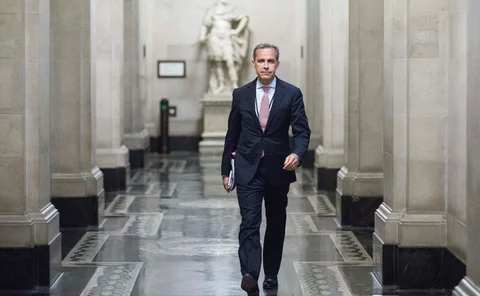
Governor of the year: Mark Carney
Carney has played a vital role in managing Brexit risks while driving efforts towards climate, payments and dollar funding reform

Reserve manager of the year: Swiss National Bank
New trading capabilities have helped the pioneer of reserves diversification and risk management to better manage liquidity as its portfolio has risen to $825 billion

Innovation in reserve management: BlackRock
The US asset manager has made great strides in its technology, research and advisory capabilities, allowing clients to implement ESG while preserving financial returns

Green initiative: Network for Greening the Financial System
The voluntary body is driving efforts to tackle climate-related risks

Asset manager of the year: Amundi Asset Management
The French asset manager helped reserve managers meet ESG criteria while also boosting central bank assets under management

Central bank of the year: Bank of Ghana
The African central bank has carried out extensive reform of Ghana’s banking sector

Risk manager: Central Bank of Brazil
The G20 central bank has made important breakthroughs in applying ERM

Treasury systems initiative: Calypso Technology
The tech company secured important breakthroughs including with its Maps treasury operations system

Payments and market infrastructure development: European Central Bank
The ECB has created a framework to help payments and market infrastructure firms bolster cyber defence that is being disseminated on a global scale