
Central Banks
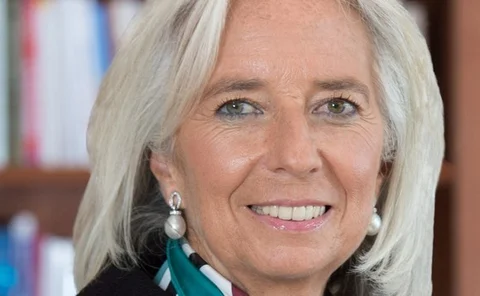
Central Asia's central banks should shift attention to communication strategies – IMF
While some central banks in the Caucasus and Central Asia ‘require further development of instruments', others may ‘shift attention to communication strategies

Bank of Italy wary of emerging market risk
Italy’s central bank reports improving financial conditions in the eurozone, but remains wary of low inflation and emerging market slowdown
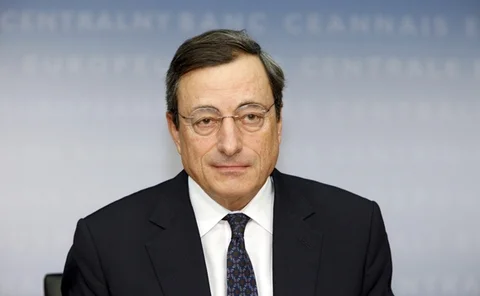
OECD urges ECB to cut key rate
The OECD chief economist calls on the European Central Bank to cut its main refinance rate to zero and prepare for ‘additional non-conventional stimulus’

Finland deputy: Banking union may 'exacerbate conflict' for national supervisors
Banking union is envisaged to lessen the role that national interest plays in bank supervision, but Pentti Hakkarainenin warns of potential short-term setbacks

Bangladesh Bank governor hails SME finance initiative
Central bank funding for SME lending has seen loans to small businesses grow in absolute terms, and as a share of bank lending, since 2010

Bank of Korea expresses macroprudential concerns
Bank of Korea says the financial system is ‘generally’ stable, but the corporate sector is struggling with static profitability and household debt is rising under some measures
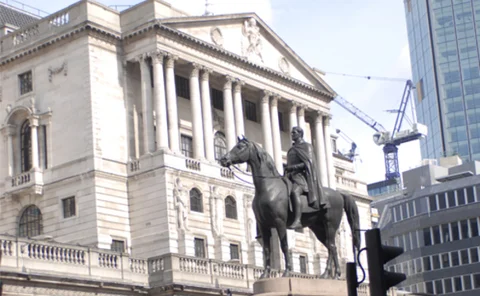
BoE paper emphasises uncertainty over risk to argue for simpler regulation
Misguided ‘quest for ever-greater precision' in bank regulation is creating ‘ever-lengthening regulatory rulebooks' that are hard to communicate and bad at predicting outcomes

China should adopt new intermediate target for monetary policy, say IMF economists
Economists at the IMF analyse demand for money in China and conclude the PBoC would be better off targeting interest rates in the economy rather than monetary aggregates

Central bankers give mixed review of BoE forward guidance
One third of respondents to CentralBanking.com poll say the Bank of England’s second phase of forward guidance is an admission that its first attempt was a failure

IMF moves to unshackle programme countries' monetary policy
The Fund's move towards more flexible conditionality in support programmes is part of a bigger push, but some say it does not go far enough
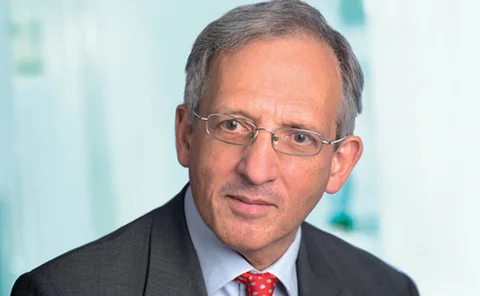
BoE's Cunliffe warns of 'sustained and powerful pressure' on UK house prices
Deputy governor for financial stability says it would be 'dangerous to ignore momentum in housing market' and cautions that new prudential measures have yet to be tested

Inflation rebound eases pressure on ECB
An increase in annual inflation and an improving credit outlook will help ease the pressure on the European Central Bank governing council, which meets in Brussels next week
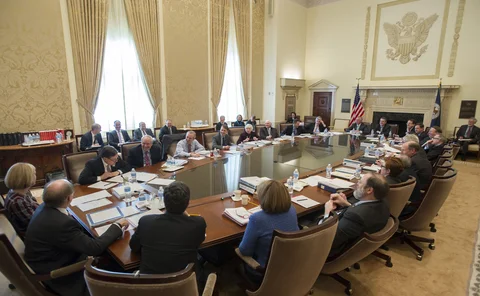
Fed slows asset purchases to $45 billion a month
Growth in economic activity has picked up recently, after having slowed sharply during the winter in part because of adverse weather conditions, the FOMC notes

BoE's Haldane says time is right to review MPC schedule
Bank's head of financial stability and soon-to-be chief economist says his views on financial and regulatory matters ‘aren't going to disappear'

Yellen promises ‘tailored' regulation for community lenders
Fed chair says regulator will become ‘smarter' in applying rules to ensure smaller lenders can thrive, while still addressing ‘too big to fail'

IMF $17 billion rescue package will see Ukraine head towards IT regime
Ukraine's central bank will, with IMF help, transition to an inflation targeting regime in mid-2015 as part of a $17 billion rescue package agreed last night

Cœuré sees ‘limited’ case for central bank cooperation
More cooperation between central banks would not have produced especially different policies in the wake of the financial crisis, according to ECB’s Benoît Cœuré

Hungary tightens bank forex funding rules
Hungary's central bank aims to smooth out maturity mismatches between long-term foreign exchange loans and the short-term funding banks use
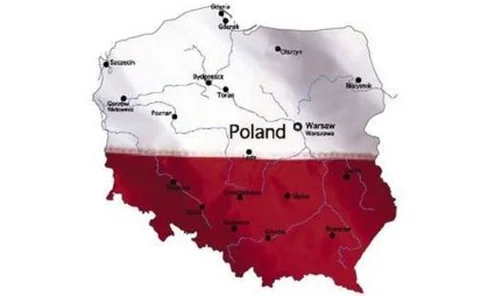
Poland still has euro doubts after decade in EU
The National Bank of Poland could need two years to make technical adjustments before the country can join the eurozone; ERM II presents another hurdle

Pakistan governor sets out communications ‘revamp’
State Bank of Pakistan’s Wathra says the central bank will be updating its website to make it more ‘transparent’ as well as running workshops for local journalists

Ingves says job of supervisors just beginning as Basel III nears completion
As the Basel III rules approach completion, the job of implementing the regulatory framework is only just beginning, Stefan Ingves says

Bank of England launches review of MPC transcripts policy
Bank of England commissions former Fed governor Kevin Warsh to review practice of destroying records and assess the costs and benefits of publishing meeting transcripts

Fed nominees close in on board member jobs
Stanley Fischer on track to become Yellen's number two after he and fellow Reserve board nominees Lael Brainard and Jerome Powell are given the nod by Senate committee

Bundesbank’s Dombret unperturbed by rising house prices
Andreas Dombret says prices are still tied to fundamentals in German economy, though he would be more concerned if lending began to rise alongside house prices