
Central Banks

MAS deputy charts path toward new financial products
Jacqueline Loh believes greater integration within and across Asia’s capital markets could pave the way for new financial products, including through securitisation

Bank of Russia caps daily forex interventions
The value of the ruble ‘will be determined predominantly by market factors' as of today, central bank says; former central banker describes move as a 'very big deal'
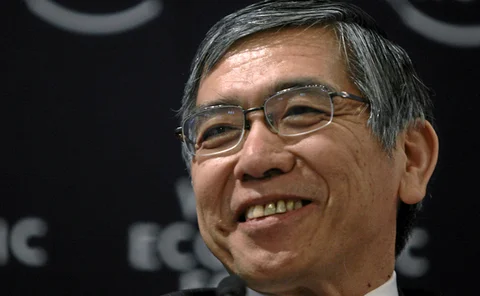
Kuroda affirms determination to ‘drastically convert’ Japan’s deflationary mindset
BoJ governor stresses commitment to continue with drastic policy measures until the ‘chronic disease of deflation’ is eradicated, in first speech since quantitative easing was ramped up

Tonga central bank appeals to public for new logo
National Reserve Bank of Tonga launches a competition asking the public to design it a new logo; suggests it should reflect its values of integrity, innovation, team work and excellence

People: Thomsen named head of IMF’s European department; Former deputy finance minister joins CNB
Poul Thomsen gets post on full-time basis after leading Fund’s programmes in Greece and Portugal; Radek Urban heads resolution department at Czech National Bank; and more

Georghadji sees ‘turning point’ for Cyprus banking sector
Central bank of Cyprus governor says the outlook for the country’s banks is ‘very positive’, but warns against a return to the sector’s previous lending practices

ECB unveils new website as SSM launches
Central bank launches new website dedicated to banking supervision, which features responsive design techniques to support viewing across desktops, tablets and smartphones

Swiss paper examines cost of different clearing set-ups
Research finds more sophisticated clearing arrangements for OTC trades can improve welfare – in a Pareto sense – but require more collateral

BoE deputies suggest refinements to EU law-making
Andrew Bailey and Jon Cunliffe say the European Union has room for improvement when it comes to efficient, effective legislation
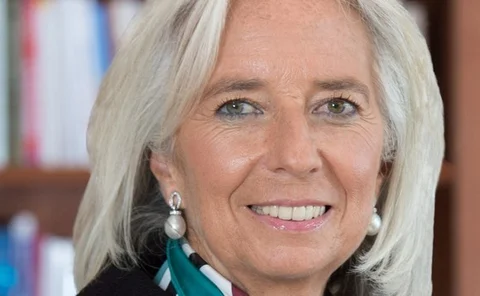
Lagarde rejects internal criticism of IMF austerity push
Independent Evaluation Office report out today concludes Fund's calls for fiscal consolidation in 2010-11 were ‘premature'; managing director says they were the ‘right call'
RBA’s Stevens highlights challenges as rates stay on hold
Monetary policy statement registers some concern over risks originating from Chinese housing, heightened volatility and a high Australian dollar, but rates kept steady

PBoC names first RMB clearing bank in Middle East
Doha branch of ICBC named following several deals inked between PBoC and Qatar Central Bank yesterday, including swap line and RQFII quota

Fisher ‘encouraged’ by FOMC guidance
Dallas Fed president Richard Fisher welcomes FOMC statement last week; believes ‘flight pattern’ of US economy is toward higher employment and inflation at the 2% target

ECB’s Godeffroy sees clear path to 2015 T2S launch
Director-general leading Target 2 Securities project says testing is largely going to plan; platform to create ‘survival of the fittest’ environment for European CSDs

Visco calls for ‘block disposal’ of impaired assets
Bank of Italy governor laments growing stock of NPLs in country’s banking system; calls for ‘active management and recovery procedures’ to address it

SBP annual report highlights year of ‘critical’ changes
Governor highlights major amendments to the State Bank of Pakistan’s operations that are currently being considered by Parliament; accounts show rise in both profits and governor’s salary
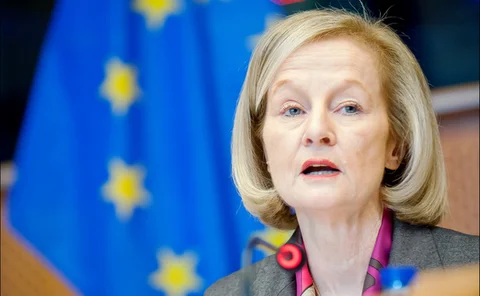
Danièle Nouy says banks are ready to lend on eve of SSM
SSM supervisory board chair says banks are ready to lend and flow of credit to real economy now depends on ‘other actors’; first wave of ECB staff migrate to new premises

Caruana sees role for BIS in ‘digital financial inclusion’
Standard-setting bodies need to work together to maximise benefits of new technology, and the BIS provides an excellent forum, Caruana says; RBI board member offers lessons from India

Asian central banks build ‘brick house’ to withstand ‘big bad wolves’
Tetangco sets out plan to insulate Philippines against global market volatility; Thailand's Prasarn warns macro-prudential measures are ‘reaching their limits’

HKMA revamps RMB liquidity operations to cope with 'phenomenal' growth in demand
Central bank to provide new intraday facility to cover rapid growth of renminbi payments in past year; seven banks designated ‘primary liquidity providers’

Dutch central bank adopts new supervisory structure
The Netherlands Bank is creating four new divisions as part of its response to the SSM launching this week; Femke de Vries has been appointed secretary-director as part of reshuffle

Bank of England proposes three-pronged leverage ratio
Financial Policy Committee recommends ‘supplementary leverage ratios' for UK's biggest banks and wants power to set them from 2016

Central Bank of Argentina borrows $814m through China swap line
Argentina’s central bank has activated is currency swap agreement with China, and will receive the equivalent of $814 million in a move that will boost its currency reserves
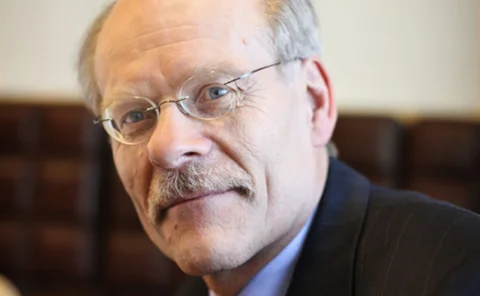
Basel Committee adds final plank to Basel III
Committee unveils final version of the net stable funding ratio, bringing to a close the core of the Basel III standard-setting process