
Central Banks

MAS to launch 'unique' government-guaranteed retail bond
Interest on the non-tradable, 10-year bond will increase annually and savers can bow out at any time; product is unique in Asia, analyst says

People: NY Fed names first vice president; HKMA promotes research head
Michael Strine succeeds Christine Cumming as first vice president at the Federal Reserve Bank of New York; Lillian Cheung becomes executive director for research in Hong Kong; and more

Icelandic MP posits radical monetary reform
Report proposes scrapping fractional reserve banking and handing Central Bank of Iceland authority over money creation; central bank says it is not considering the plans further
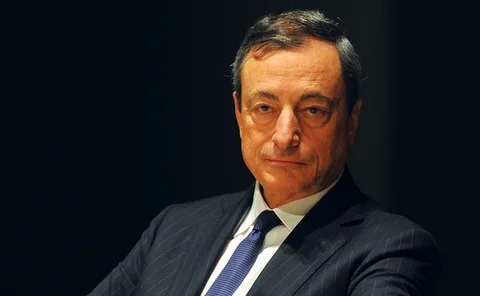
Draghi defends ECB’s voting opacity
While extolling the virtues of central bank transparency, the ECB governor says not publishing a voting record allows members to support the overall decision despite privately disagreeing

US Treasury's cyber chief lays out cyber security blueprint
Julia Philipp recommends targeted defences, data sharing and response planning, at OpRisk North America conference

Hellwig warns against expanding financial stability mandate too far
Martin Hellwig presents his thoughts on how to strike a balance between the macroeconomic and financial stability objectives of monetary policy

Romer and Romer find financial crisis impact ‘not large’
NBER working paper constructs new series on financial distress in advanced economies to better capture degrees of financial crisis; finds output declines are ‘moderate and largely temporary’

Central Bank of Bahrain launches Islamic liquidity facility
Wakalah instrument chosen on basis of its effectiveness as a short-term liquidity management tool, executive director says, allowing banks to deposit excess reserves with the central bank

Riksbank sees payments challenges ahead
Annual report notes growing interest in digital forms of payment is leading to declining income from seigniorage; new banknote series to enter circulation in 2015

Jacques de Larosière on the international monetary system and the eurozone
Central Banking’s Chris Jeffery speaks to former IMF chief Jacques de Larosière about efforts to restore the global financial system and challenges for the eurozone at the Central Banking Awards 2015

Wilkins sheds light on research into Bank of Canada regime
Senior deputy governor Carolyn Wilkins tells Central Banking how the Bank of Canada is preparing for the inflation-targeting renewal in 2016; sets out three research themes

Fischer looks to strengthen non-bank solvency and liquidity
Fed vice-chair says key issues for promoting non-bank sector stability are solvency and liquidity, and suggests policies that could be used to strengthen these areas

BIS committee urges central banks to consider collateral policies ahead of time
Central banks should be aware of the effects of their policies on collateral markets, and use this knowledge to prepare in advance for crises, CGFS report finds

Bank of Canada’s Vardy on what makes a good website
Jill Vardy says the best central bank websites ‘pay attention’ to how users get there; discusses current trends and new frontiers in online communications

Former ECB banknotes director describes 'arduous path' to Europa launch
Antti Heinonen details the challenges and occasional mishaps in delivering a ‘quantum leap’ in eurozone banknote designs, with the latest new note to be issued later this year
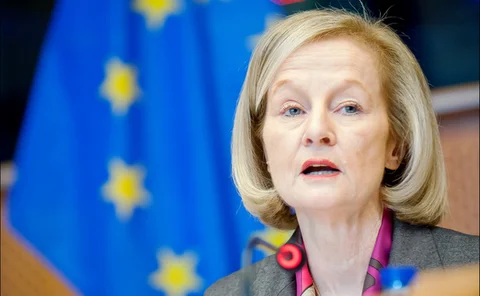
Nouy sets out SSM priorities for 2015
Supervisory board chair Danièle Nouy reveals focus on profitability drivers of largest banks in eurozone, as well as their risk appetite and governance; first annual report published

Riksbank’s new approach to nowcasting reviewed
Article in Economic Review evaluates the forecasting performance of a dynamic factor model adopted by Sweden's central bank, finding it a useful addition to its suite of tools

Olsen: Norway needs lower labour costs
Norges Bank governor Øystein Olsen argues labour costs must be brought into line with those of Norway’s trading partners to support a rebalancing of the economy away from oil

PBoC moves to spur property demand
Lower down-payments for second homes will 'improve demand' in oversupplied housing market, central bank says, but analysts warn scheme could backfire

BoE and ECB strike deal on CCP cooperation
Central banks agree to information exchange and provision of cross-border liquidity in a crisis as the UK government drops two outstanding cases against the ECB
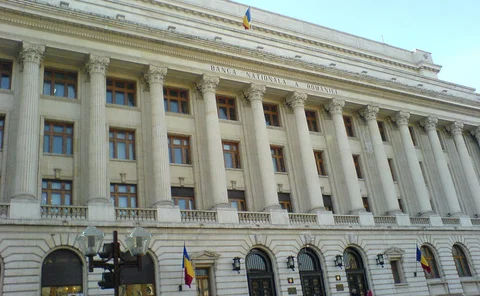
IMF report urges review of euro timeline in Romania
Staff fear convergence could take longer than expected; encourage the transition to a ‘full-fledged’ inflation targeting regime at the central bank

Yellen sees potential benefits in ‘tight’ labour market
Fed chair Janet Yellen says allowing unemployment to fall below its longer-run level for a short time could help return inflation to target quicker and boost productivity

Op risk analysis underrates human behaviour – Fed examiner
Next-generation operational risk should focus on behavioural dynamics in financial firms

Bank of Korea torn between debt and demand
The central bank in Asia's fourth biggest economy is grappling with how to set policy when the country carries a private debt burden that could increase in size no matter the strategy