
Central Banks

RBI seeks to draw retail investors into government securities
Deputy governor Harun Khan says tailoring government securities to retail investors will help cushion volatility created by institutional and international investors

Disparities emerge in euro counterfeit figures
Figures for euro counterfeits seized in 2012 show wide differences between countries, though not all central banks report totals; ECB unveils security features on new €5 note

Egypt appoints new central bank governor
Egyptian central bank governor resigns, replaced by former deputy; negotiations ongoing with the IMF
Yemen central bank staff prepare to strike over pay
Staff at the Central Bank of Yemen plan strike if management does not agree to demands for improved compensation packages

Fed presidents clash over monetary policy
Presidents of the Federal Reserve banks of Kansas City and Minneapolis offer conflicting critiques of FOMC policy stance

Pakistan’s Anwar presents plan for financial system growth
Governor of the State Bank of Pakistan gives 10-point plan for growth in the financial system to boost the economy and improve the ‘potency’ of monetary policy

Bank of Korea foresees long road to recovery
Economic outlook report predicts sluggish narrowing of Korea’s negative output gap; central bank keeps rates on hold

Brazilian governor expects inflation drop
Alexandre Tombini says inflation spiked in last six months because of agricultural shocks, but it will resume a downward trend in 2013

Kenyan interest rate continues to plummet
Benchmark interest rate nearly halved since September; latest cut intended to increase uptake of expanding private sector credit

BoJ formally asked to double inflation target
Japanese government pressures Bank of Japan to increase short-run inflation target to 2%; no action likely before next monetary policy meeting on January 21–22

Central Bank of Cyprus defends re-hirings
Central bank employs three members of staff who had previously taken early retirement; defends decision as beneficial in ‘special circumstances’

Singapore authority seeks to cut banknote waste in new year celebrations
Monetary Authority of Singapore urges public to consider using good-as-new banknotes for traditional hong bao new year's gifts to prevent the unnecessary printing of 50 million notes
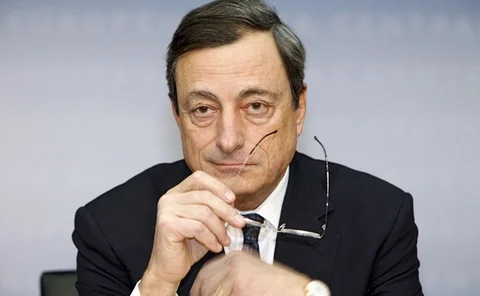
Draghi denies calls for rate cut as ECB holds again
European Central Bank's governing council holds rate, as inflation and growth remain steady; Mario Draghi optimistic about growing financial market confidence

Banks told they will not benefit from LCR delay
National supervisors tell banks not to lower liquidity buffers, with market forces also pushing banks towards 100% compliance with measure
UK statistics office to keep 'unsuitable' inflation measure
The UK Office for National Statistics will not change how it calculates RPI inflation – but will initiate an alternative index in parallel

IMF paper identifies trends in fiscal profligacy
Working paper analyses dataset of countries’ fiscal performance over time, finding an imperfect response to changes in the underlying economy

Fed’s Lacker issues warning on bloated balance sheet
Jeffrey Lacker says latest round of quantitative easing is unlikely to give a significant boost to the economy and will ‘test the limits of our credibility’

Bank of Zambia mounts charge on financial education
Central bank hopes to create financially educated population by 2030 and provide Zambians with tools to secure ‘positive financial outcomes’ for their families

Portugal's Costa demands greater European co-ordination
Bank of Portugal governor says individual countries’ adjustment programmes alone are not enough to boost Europe’s growth potential
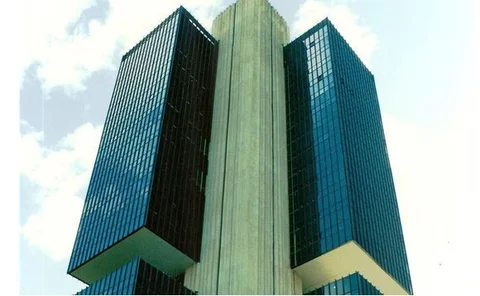
Brazil increases gold holdings by 90% in three months
Central Bank of Brazil adds 31.9 tonnes of gold to its reserves between September and November; could indicate a desire to diversify away from the dollar
Recommendation due on UK RPI calculation consultation
The UK's Office for National Statistics will make its recommendation tomorrow morning over whether and how to change how it calculates the Retail Prices Index

Bank of Spain executives hit back at negligence claims
Executive commission rebuts claims made in a leaked internal report that the central bank’s supervisory department tended to ‘look the other way’ when there were signs of criminal activity

Irish governor bemoans sustained large sovereign spread
Patrick Honohan says the cost of Ireland’s funding still reflects a credit risk premium; Government’s €2.5 billion bond issuance met by ‘strong’ investor response

India extends Basel III timetable to let banks raise capital
Decision to push back Basel III implementation motivated by capital concerns, say market sources