
Monetary Policy

BoJ minutes reveal tensions over asset purchase programme
Minutes of final meeting under governor Masaaki Shirakawa show disagreement over whether to loosen policy further, including changes to quantitative easing

Lagarde fears ‘unintended consequences’ of monetary easing
IMF managing director fears side effects from low interest rates and asset purchases; says there is a limit to the share of the burden of recovery that monetary policy can take

IMF paper uses monetary model to explain term premium
Study says central bank supply of liquidity influences asset prices; argues that this relationship can explain greater proportion of term premium than non-monetary models
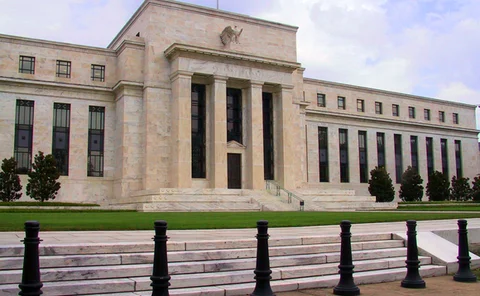
US non-farm payroll stats strengthen case for more QE
Boston Fed president joins calls to continue QE programme as US employment recovery falters
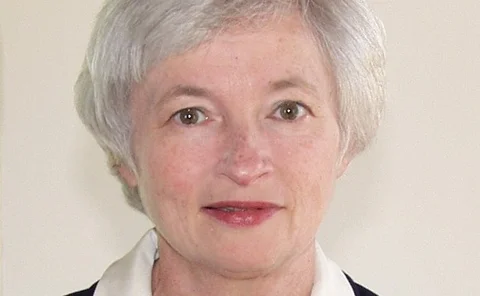
Yellen calls quantitative thresholds a ‘major improvement’ in forward guidance
Federal Reserve vice-chair justifies move to unemployment-based guidance; says clear ‘exit principles’ are important for ending quantitative easing safely

Chilean paper finds central bank’s forecasts influence private sector expectations
Working paper finds evidence the private sector updates inflation expectations based on the Central Bank of Chile’s forecasts; suggests more central banks should publish forecasts to aid policy
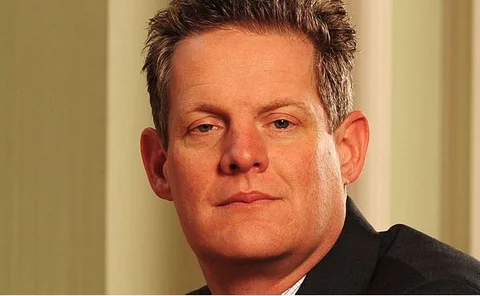
BoE chief economist says QE impact will vary, but not diminish, over time
Spencer Dale says effects of asset purchases depend on the time and place they are conducted; Bank of Japan’s shocking policy announcement may have been necessary to correct misperceptions

Assistant governor says RBNZ should not be target of exchange rate ‘angst’
John McDermott deflects criticism that the central bank is failing to correct the exchange rate, warning hard-won inflation credibility could be lost and other factors are at play
IMF working paper examines monetary policy ‘leaning against the wind'
Monetary authorities that want to stimulate the economy while maintaining financial stability should cut deeper, but then raise rates again faster

Hungary launches $2bn scheme to boost SME lending
New scheme will lend to commercial banks interest-free to on-lend to SMEs; cash also available to re-finance foreign-denominated loans into Hungarian forints

San Francisco Fed president predicts mid-year asset purchase slowdown
John Williams says economy has shifted into ‘higher gear’ and a substantial labour market improvement could trigger decline in asset purchases
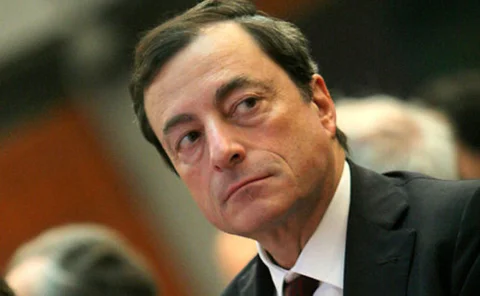
Draghi promises Cyprus bail-out is ‘no template’
Mario Draghi says an established pecking order of ‘bail-inable’ debt will avoid repeating the chaotic resolution in Cyprus; ECB and BoE both hold rates

Kuroda unveils radical plan to end Japanese deflation
Measures aim to double monetary base in two years, with asset purchases no longer constrained by banknote rule; mixed response as questions raised over whether yet more easing will work

BoE economist warns of tendency to ‘overstate’ fiscal multipliers
Matthias Paustian says simple Keynesian models can produce unrealistically high fiscal multiplier when examining fiscal policy at the zero lower bound

Fed’s Lockhart advocates ‘wait and watch’ approach to asset purchases
Atlanta Fed president acknowledges risks surrounding ever more quantitative easing, but says purchases should not diminish until it is clear the economy has traction

Israel annual report sees growth and inflation fall
Growth rate declines by 1.5% in 2012 but unemployment remains stable; inflation falls below target as schooling and mobile phone prices fall

Barbadian governor proposes adopting new policy rate
DeLisle Worrell and other senior central bank staff suggest adopting three-month Treasury bill rate as key policy rate, saying it is more practical for small, open economies

IMF calls on Hungary to safeguard central bank independence
The Fund's executive board urges National Bank of Hungary to preserve legal and operational independence; encourages a 'pause' in monetary easing
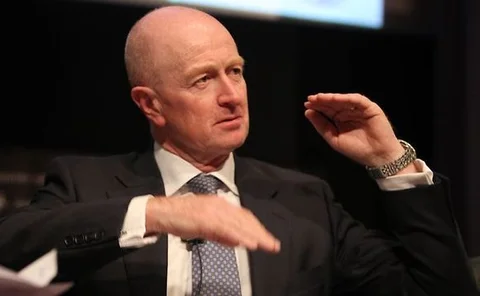
RBA governor sees scope for further monetary easing
Glenn Stevens explains rate hold at 3%, but says there is scope for further easing as growth undershoots target

Bundesbank research finds strong role for China in global inflation dynamics
Discussion paper weighs cross-border effects of supply and demand shocks in China; results suggest Chinese shocks explain an average of 5% of total inflation across countries
Fed doves disagree over FOMC's next move
Boston Fed’s Rosengren sees scope to continue asset purchases at current rate throughout 2013; Cleveland Fed’s Pianalto wants to slow programme down if labour market improvements hold

McKinnon says Fed must raise rates to stimulate growth and employment
Leading academic says positive real interest rates are the only way out of a credit crunch that's holding back lending to the productive economy
Fed ‘stimulus’ chokes indirect finance to SMEs
Low interest rates in the US are crowding out indirect finance to SMEs and distorting financial markets generally. The Fed needs to act by raising rates to 2%, argues Ronald McKinnon

Michael Woodford backs combining nominal GDP and inflation target
Leading monetary policy theorist advocates immediate fiscal transfer to the public, funded by central bank purchase of government debt, coupled with adoption of nominal GDP target