

Norges Bank holds and signals future rate hikes
Job of tackling inflation ‘has not been fully completed’, says governor
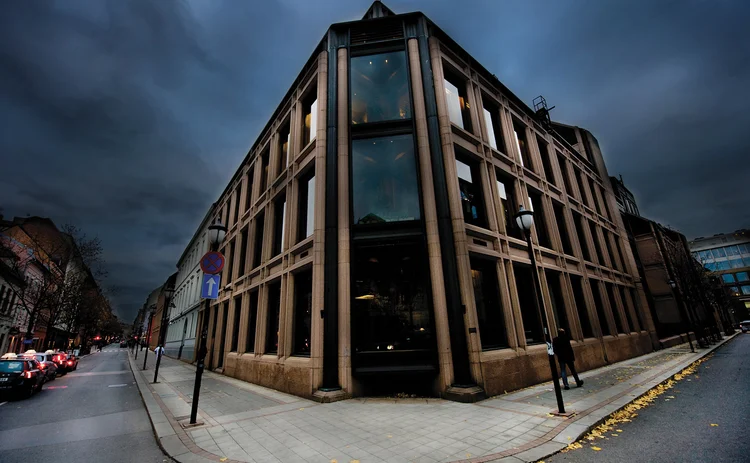
Norges Bank has maintained a hawkish stance against persistent inflation with a further rate hold.
The bank’s governor, Ida Wolden Bache, announced on March 26 that its monetary and financial stability committee would maintain the policy rate at 4%.
“As recently as in January, we expected the policy rate to be reduced this year,” she said. “But we cannot make any promises about the policy rate, and certainly not in today’s world of abrupt shifts in the outlook.”
Wolden Bache said the job of
Only users who have a paid subscription or are part of a corporate subscription are able to print or copy content.
To access these options, along with all other subscription benefits, please contact info@centralbanking.com or view our subscription options here: www.centralbanking.com/subscriptions
You are currently unable to print this content. Please contact info@centralbanking.com to find out more.
You are currently unable to copy this content. Please contact info@centralbanking.com to find out more.
Copyright Infopro Digital Limited. All rights reserved.
As outlined in our terms and conditions, https://www.infopro-digital.com/terms-and-conditions/subscriptions/ (point 2.4), printing is limited to a single copy.
If you would like to purchase additional rights please email info@centralbanking.com
Copyright Infopro Digital Limited. All rights reserved.
You may share this content using our article tools. As outlined in our terms and conditions, https://www.infopro-digital.com/terms-and-conditions/subscriptions/ (clause 2.4), an Authorised User may only make one copy of the materials for their own personal use. You must also comply with the restrictions in clause 2.5.
If you would like to purchase additional rights please email info@centralbanking.com
More on Monetary policy decisions

CBRT cuts main rate to 36%
Governor blames stalling disinflation on supply-side pressures

Philippines tightens more than expected as inflation bites
BSP expects price growth to remain high next year due to oil prices and El Niño effects
BoK delivers hawkish hold
Shin says previous hikes provided room for pause, though tightening would continue amid heightened inflation
BI holds following downgrade for Indonesian equities market
Central bank leaves benchmark at 5.75% in fourth consecutive rate hold
Uruguay raises rates for first time in 18 months
Central bank says hike is ‘proactive’ measure to mitigate risk of inflationary pressures spilling over

Peru unexpectedly holds rates amid rising inflation
BCRP maintaining ‘hawkish stance’ by leaving open possibility of rate adjustment, economist says

Colombia delivers unexpected 25bp rate hike
Move marks ‘fourth consecutive policy surprise’ in tightening cycle, economist says
Sri Lanka holds rates as inflation remains high
CBSL says medium-term expectations remain ‘broadly anchored’ around target