
Financial Stability
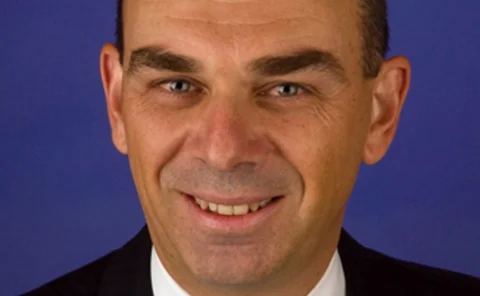
Basel Committee official rebuts criticism over regulatory complexity
Basel Committee secretary-general defends Basel III from critics who argue it is unnecessarily complicated; says additional detail needed to meet the increasing complexity of financial markets

Korea to miss OTC clearing deadline
It is ‘highly unlikely’ Korea will meet the deadline to start clearing OTC derivatives by January 1, 2013, due to legislative delays, according to market participants

Colombian paper proposes measure of systemic importance
Central Bank of Colombia study identifies important characteristics related to size, connectedness and substitutability that determine the systemic importance of financial institutions

Bank safety depends on more than high capital, says RBA’s Ellis
Reserve Bank of Australia’s Luci Ellis says higher capital levels alone do not guarantee a bank is safer than its competitors; depends on business model and risk attitudes

US reform could slash $150bn payments bill, says Fed’s Pianalto
Cleveland Fed president Sandra Pianalto explains the Fed’s vision of how the US payments system will operate in a decade; says UK offers valuable lesson on speed

Bank of Lithuania launches liquidity coverage ratio
Liquidity coverage ratio applied to credit unions in Lithuania well in advance of Basel III deadline; similar rules for banks already in place
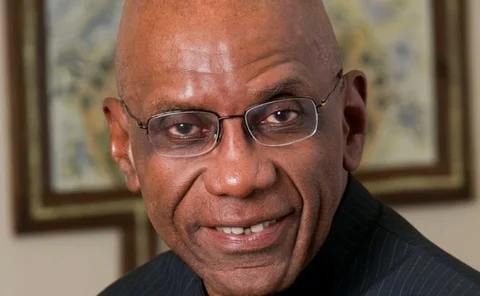
Central bankers highlight merits of fixed exchange rate regimes
Bosnian and Barbadian governors discuss the importance of a fixed exchange rate for small and open economies

Finland's Liikanen grilled by UK law-makers on banking separation
The governor of the Bank of Finland gives evidence to UK's Parliamentary Commission on Banking Standards; faces a barrage of questions on the precise nature of separation

ECB’s Constâncio downplays impact of single supervisory mechanism
Vítor Constâncio says banking supervision will not be significantly altered when ECB starts new supervisory role; attempts to allay fears over internal conflicts and role of national supervisors

Industry unmoved by death of minor-currency Libor
The Wheatley Review calls for an end to Libor quoting in five currencies, but the number of trades affected is small, say market participants

ECB working paper examines causality in crises
A study published by the ECB investigates where causality lies between banking, debt and currency crises; also compares the duration of each

ECB paper claims credit rating agencies traded grades for custom
ECB study finds credit rating agencies provided more favourable ratings in return for continued custom; quality allegedly compromised by conflict of interest

BoE’s Haldane outlines transparent future for the central bank
Executive director for financial stability says Bank of England has undergone a transformation of communications and transparency; outlines ‘radical’ shift in central bank’s operations
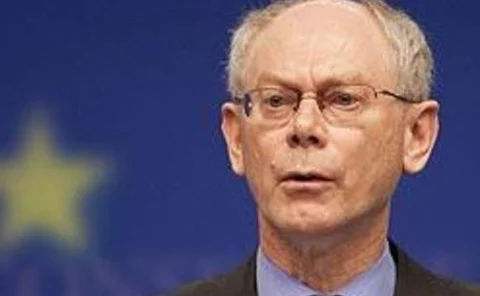
EU leaders agree on new powers for ECB
European Central Bank to run single supervisory mechanism, but leaders fail to agree on when bailout funds can be directly injected into European banks

UK endorses Wheatley report to fix Libor
The UK Treasury has endorsed recommendations made by Martin Wheatley of the Financial Conduct Authority to fix Libor; will amend the UK’s Financial Services Bill

Hong Kong set to meet Basel III deadline as others struggle
Hong Kong to put final Basel capital requirements legislation in place by January 1 deadline, as most other countries struggle to hit G-20 deadline

Volcker warns of ‘permeable’ Vickers ring fence
Paul Volcker tells a UK parliamentary committee the Vickers ring fence has loopholes that will be widened over time by banks; says bad culture in trading arms ‘infected’ retail banks

Policy-makers debate how to restore trust in the financial system
Andrew Tyrie among speakers at BBA conference discussing how to develop greater trust in the financial system, ideas range from greater competition to code of conduct for bankers

Macao annual report sees ‘opportunity in crisis’
Monetary Authority of Macao annual report reveals drop in growth and climb in inflation; central bank chairman praises bank supervision developments
BoE’s Tucker says FCA may have to intervene to correct accounting failures
Paul Tucker says difference in market and banks’ asset valuations may require intervention by the Financial Conduct Authority; praises bail-ins as method of imposing discipline

BoE behind UK move to cut bank capital requirements
Bank of England’s interim Financial Policy Committee ordered a temporary easing of Pillar II bank capital buffers for British banks last month

UK’s Wheatley outlines steps toward new regulator
Chief executive-designate of the UK’s new Financial Conduct Authority outlines regulatory vision; new body to be created in 2013 as one half of ‘twin peaks’ approach

Canada’s Carney wants an end to ‘global angst’
Bank of Canada governor Mark Carney says quick and bold action needed to end uncertainty restraining economic growth

Robert Pringle’s Viewpoint: Fixing banks and regulation
Central bank balance sheets are ballooning due to the failure of banking systems and new rules are unlikely to address the issue. Only a full legal separation of banking activities will do.