
Labour market

Powell strikes cautiously upbeat note in first policy press conference
Federal Open Market Committee shifts economic forecasts up marginally

Denmark is entering a boom – central bank
The Nordic country is benefiting from the growth in export markets, including the US and eurozone

UK figures reveal 1.47 million people out of work
While the employment rate has continued to rise, the rate of unemployment has increased by the sharpest level in almost five years

Brexit ‘surprises’ could delay rate hikes, IMF says
If negotiations affect wage growth or “depress demand”, the BoE could make monetary policy more expansionary, staff say

World does not have to be ‘hostage’ to technology – Wilkins
Finding a way to control the market power of tech giants will be important, the Bank of Canada deputy says

Standard measures understate slack in European labour markets – ECB paper
Researchers use survey data from 24 countries to track effects of sovereign debt crisis

Wage growth refuses to budge, RBA’s Lowe says
Governor notes employment levels have improved and will continue to improve over the policy horizon, but wage growth continues to disappoint

Rates on hold after Yellen’s final FOMC meeting
New committee finds unanimity on rate hold, as Janet Yellen prepares to step down

Menon warns of Singapore's ‘demographic trilemma’
MAS chief says Singapore “must accept” slower growth of the labour force, but should also face up to the need for solutions

Big data can give valuable labour market signal – Fed paper
High-frequency private payroll data is useful in forecasting the labour market, researchers find

Fall in hours worked can flatten Phillips curve, Italian paper says
Changes to “intensive margin of labour utilisation” may make inflation less responsive to employment

Older workforce will reduce Danish growth, central bank says
Reforms to expand labour supply are needed to offset negative effects of demography

Demographic changes reduce US labour participation rate
As the baby boomer generation retires, the recovery cannot offset their absence

BoE expects UK inflation slowdown
Bank of England keeps rates on hold at 0.5%; disinflationary base effects likely to outweigh tightening labour market in near term
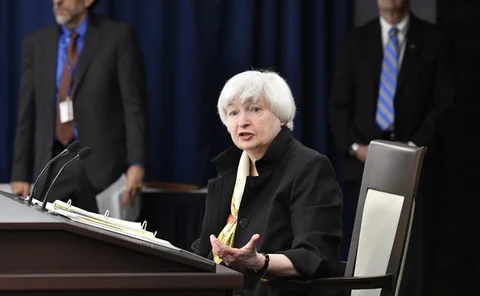
Fed hikes as Yellen hails strong job growth
Janet Yellen gives her last press conference as Federal Reserve chair

BoE says ‘there will always be differences in levels of pay’
Pay gap revelation shows women at the UK central bank are paid over a fifth less than their male counterparts due to fewer women occupying senior management roles
December hike in focus despite FOMC inflation worries
Some Fed policymakers fret that inflation expectations are too low to bring inflation back to target, but broad view is of an economy gathering pace

Bank of England pulls trigger on rate hike
Committee split 7-2, but Carney strikes hawkish note on need for further hikes

BoE’s new MPC members disagree on future path of hikes
New deputy Dave Ramsden sees current degree of slack to be too great to warrant removal of stimulus, while Tenreyro believes it cannot “persist for too long”

Emerging market incomes continue to grow despite trade impacts – Lagarde
Trade has not impacted emerging markets as negatively as their advanced counterparts, Lagarde says, as incomes continue to grow

Markets upbeat on strengthening US wage growth figures
Non-farm payrolls drop slightly but wages appear to be gathering pace; figures impacted by hurricanes Irma and Harvey

Chicago Fed’s Evans sees little risk of inflation surge
Study by the Chicago Fed finds little evidence there could be a threshold in unemployment beyond which inflation may surge

Cleveland Fed’s Mester upbeat on prospects for US economy
Loretta Mester backs continued gradual rate rises and the commencement of balance sheet normalisation “in the near future”

Racial wage gaps in US caused by ‘harder-to-measure’ factors
Lack of opportunity plays bigger role than education and profession in racial inequality, paper finds