
Financial crisis

International banks pose risk to global financial system, NY Fed paper finds
Evidence from 2007 suggests banks can more easily deal with a credit crunch in their home jurisdiction than they can overseas, which could be a weak point in the global system, paper finds

‘Striking similarities' between eurozone and the pre-1914 gold standard
Both monetary arrangements provide underdeveloped peripheral countries with easy access to capital from the core countries, triggering asset price booms via the banking system in peripheral countries

Central Bank of Ireland director says it will take ‘some time' to get out of crisis
Fiona Muldoon adds the task now is putting together a business model for Ireland that ‘expands on parts of the economy not built on buying and selling houses to each other at ever inflated prices'

Consumers' inferior bargain position ‘largest issue to be tackled'
RBI's Deepali Pant Joshi says financial crisis had ‘highlighted the importance of financial consumer protection for the long-term stability of the global financial system'

European credit growth strongly related to net debt inflows, ECB paper finds
Analysis indicates there is a strong international dimension to the determination of national credit growth rates

Crisis altered ‘traditional factor' impact on EM capital flows, new paper finds
According to the authors, the crisis ‘brought very important changes in terms of degree, size and volatility of capital flows to emerging markets'

Bernanke: Past century shows ‘central banking doctrine and practice are never static'
Fed chief added recent crisis has underscored the need to strengthen and better integrate US monetary policy and financial stability frameworks

Finland economist provides euro crisis ‘view from the north'
Banking union will be key to avoiding a repeat of the eurozone sovereign debt crisis, writes Bank of Finland economist; dealing with the ‘legacy' of weak balance sheets is a ‘key open issue'

ECB’s Asmussen urges greater efforts at global policy co-ordination
Executive board member says globalisation has led to greater interconnectedness and many more sources of risk, but institutions have not kept pace with the demanding environment
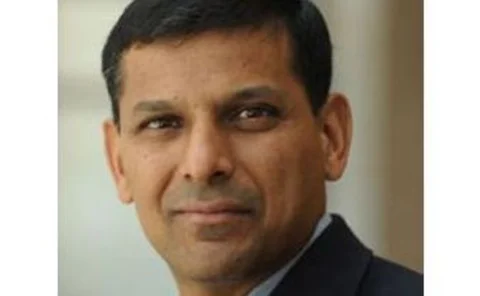
QE was ‘a step in the dark’, Rajan tells BIS
Former IMF chief economist says decision to engage in quantitative easing was based on little evidence and influenced by politics, while the full consequences remain unclear

FDIC chief economist highlights factors behind community bank failure
Richard Brown says community banks play a ‘crucial role’ in the US financial system; presents research identifying common factors behind those that failed during various financial crises

RBA research analyses factors driving US credit crunch
Working paper finds shutdown of the securitisation market explains a ‘significant share’ of the credit tightening in the US in the run-up to the global financial crisis
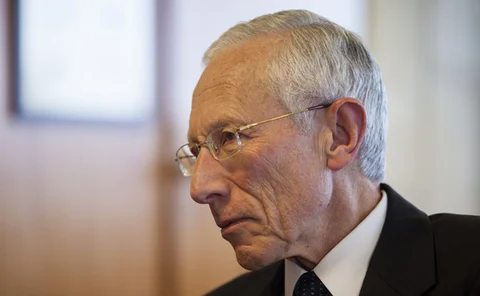
Fischer gives high marks to Bernanke and Draghi
Outgoing Bank of Israel governor Stanley Fischer believes the world owes a great debt to Fed chairman Ben Bernanke and praises ECB president Mario Draghi; says Israel can live with side effects of QE

Bank of Israel’s outgoing chief, Stanley Fischer, on the challenges of central banking
Stanley Fischer believes his work as governor of the Bank of Israel is done. He tells Chris Jeffery about the reform process in Israel as well as the challenges facing the world economy and the IMF

BoJ’s Kuroda highlights 'increasing attention' on capital controls
Bank of Japan governor notes greater understanding of volatile capital flows as a channel for financial shock transmission; says banking union may be plagued by 'financial trilemma'

The Eurosystem has done enough; time for politicians to choose
The Eurosystem has done enough to support the eurozone, says Jens Weidmann, who believes the euro area should either accept fiscal union or allow sovereigns to default

Booknotes: After the Music Stopped: The Financial Crisis, the Response, and the Work Ahead
According to Alan Blinder's publisher, he has taken the time 'to think his way through to a truly comprehensive narrative of how the worst economic crisis in postwar American history happened'
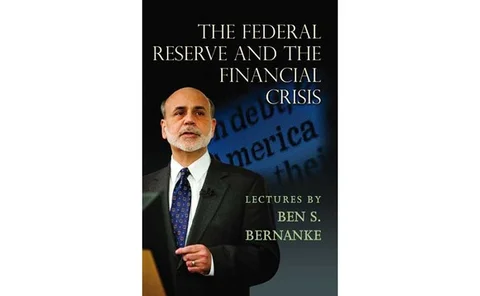
Booknotes: The Federal Reserve and the Financial Crisis
This volume is based on the transcripts of four lectures from a series delivered by the chairman of the Federal Reserve Board at George Washington University in the spring of 2012

Booknotes: Bull By the Horns: Fighting to Save Main Street from Wall Street and Wall Street from itself
This is a great book with a clear message: no more bailing out of too-big-too-fail banks.

Booknotes: The Leaderless Economy: Why the World Economic System Fell Apart and How to Fix It
The title of Peter Temin and David Vines’ book, especially its subtitle, promises the reader a lot

Bank of Spain financial stability report finds ratio of bad loans still growing
Contraction in new lending to households and businesses, combined with a poor macroeconomic environment, means Spanish bank loan books are on average not improving

European Parliament poised to approve next step in banking union
European political groupings have reached agreement on a text for the recovery and resolution piece of Europe's planned banking union
Asmussen and Rehn sketch plans for European body to replace ‘troika'
ECB board member defends scale of emergency liquidity extended to ‘insolvent' Cypriot banks; confirms the bank has an open mind on ABS purchases to ease SME credit crunch