
Derivatives

Official institutions lead the Covid‑19 recovery charge
Tested by the Covid-19 pandemic, market consensus is that official institutions have been instrumental in mitigating market disruption. As economies work out how to adapt to a post-lockdown world, major public bodies are likely to play a key role in the…

After Covid, CCPs face calls for revamped disclosures
Banks and buy-side firms working with clearers to provide more granular info on margin shortfalls

HKMA sets new Libor transition milestones for banks
Nearly all banks have transition plans but risks from benchmark reform continue to build up in the banking system, HKMA warns

FCA to gain new powers to tackle ‘tough legacy’ issues in Libor transition
Untangling complex legacy issues is looking increasingly difficult as delays mount due to Covid-19

Trends in reserve management: 2020 survey results
Covid-19 expected to dent the risk appetite of central bank portfolio managers; socially responsible investing gains ground
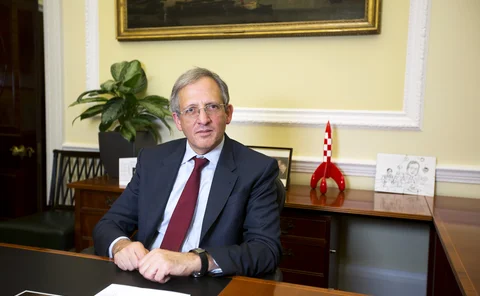
BoE’s Cunliffe: central banks must consider market liquidity backstop
Markets weathered the first phase of the Covid-19 crisis, but not without support, deputy notes

Central banking enters a new era
Central banks face a delicate balancing act to preserve their reputations as they evolve into ‘buyers of last resort’ and some of their actions appear functionally equivalent to ‘monetary financing’

Campos Neto on reforming Brazil’s economy amid Covid-19 distress
The Central Bank of Brazil governor speaks about how Brazil is managing fallout from the coronavirus pandemic, the benefit of large reserves, his plans to deploy emergency asset purchases and why he favours extending the IMF’s SDR funding

MAS will regulate token derivatives
Central bank updates securities legislation to regulate tokens offered by approved exchanges

CBRT battles external imbalance with dwindling reserves
Turkish central bank loses battle to keep lira under 7 as reserves shrink, but pressures may be easing

Beware of capital: much ado about nothing?
Capital increases can be offset by asset valuation, provision and income recognition forbearance

Chinese banks set for mass loan repricing
PBoC set to launch new options to help markets manage interest rate risk
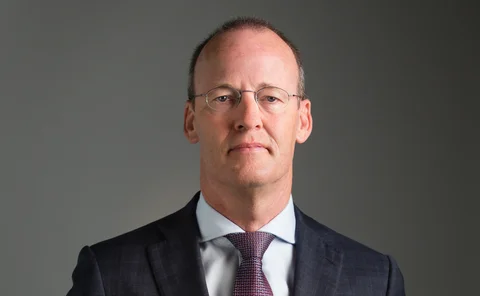
Wider use of LEIs will improve stability, says DNB president
LEI system should be improved and made compulsory for more types of financial data – Klaas Knot
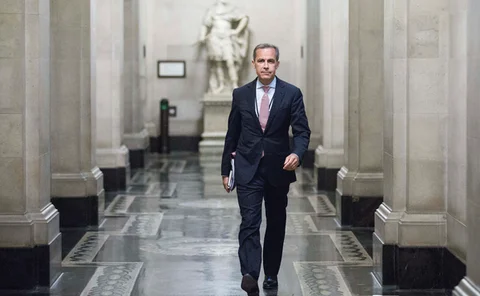
Governor of the year: Mark Carney
Carney has played a vital role in managing Brexit risks while driving efforts towards climate, payments and dollar funding reform

Innovation in reserve management: BlackRock
The US asset manager has made great strides in its technology, research and advisory capabilities, allowing clients to implement ESG while preserving financial returns

Watch out for Brexit cliff edge 2.0, experts warn
Measures to mitigate a sharp rupture for financial services could be less likely at end-2020
FCA takes over crypto asset supervision
UK firms must register with regulator to comply with anti-money laundering rules

EU central bankers urge UK to stay close on regulation
Klaas Knot and Luis de Guindos warn UK could lose out if it diverges from EU regulations, but Mark Carney says UK needs autonomy

Forex market growing, but more risky – BIS review
Reduced reliance on PvP and heightened fragmentation threaten market resilience

Singapore may allow trading in bitcoin-based derivatives
MAS opens consultation on proposal to allow trading of “payment token derivatives”

European pension fund liquidity may need to rise – Danish central bank
Central clearing exemption to expire in 2023 under market infrastructure regulation

US G-Sibs ‘dramatically’ cut exposure to Brexit risk – Fed research
Financial analyst unpacks individual banks’ exposures to the UK since referendum

Brainard hits back again at ‘tailoring’ regulations
Resolution plan changes and potential loosening of swap margins leave the system less safe, Fed governor warns

Researchers use option prices to gauge ZLB risk – San Fran Fed
Chance of rates hitting zero lower bound by the end of next year is 16%, researchers find