
Data

Clash between Yemen’s central banks escalates
Rival central banks issue retaliatory bans on transacting with financial institutions

Majority of central banks increased payment system budget in 2023
Nearly half of central banks say resourcing is not sufficient
Average cost of running RTGS systems is $1.8 million
Annual costs slightly higher than last year’s benchmark
Most RTGS systems operate between seven and 12 hours daily
More than 40 institutions on average have direct access to infrastructure
Most central banks optimistic about tokenisation
Programmability, digital signatures and enhanced security are some purported benefits

Lkhagvasuren Byadran on geopolitics, gold and 100 years of central banking on the steppe
Bank of Mongolia governor Lkhagvasuren Byadran speaks about monetary and financial reform, embracing AI and fintech, and Mongolia’s new SWF

Swift tests AI-driven fraud detection
Pilot projects aim to detect fraudulent activity and improve information sharing

Are low-level inflation targets still fit for purpose?
Geostrategic shifts make the case for a narrow price target less compelling
Slightly over half of payments teams outsource services to third parties
Contracting central banks provide information on attendant risks and precautionary measures
Payments staff strength averages close to 30 personnel
Employees in the Americas collect highest average annual salary
Fewer than half of central banks involved in pricing payments
But Asia-Pacific and African institutions are typically do engage in pricing
Over a third of central banks say retail payments are diversifying
Americas and Asia-Pacific tend to report diversification, as tech and regulation drives change

Artificial intelligence: key questions for financial supervisors
Manoj Singh outlines what supervisors need to be asking as they learn to interrogate machines
Over half of central banks have payments oversight powers
Networks and international remittance supervision only covered in a few jurisdictions

Risks facing central banks: action and inaction
Unlike Fed policy in the 1990s, central bank actions this century do not appear overly accommodative, given poor policy decisions elsewhere, writes Andrew Smithers
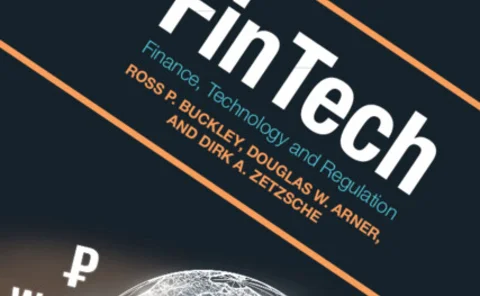
Book notes: Fintech: finance, technology and regulation, by Ross Buckley, Douglas Arner and Dirk Zetzsche
An excellent overview of fintech 3.0 and 4.0 that also includes suggestions for smart regulation

Communications Benchmarks 2024 – model banks analysis
Additional breakdowns of the data highlight differences in emerging market and advanced economies

What is forecasting for? Bernanke and the future of BoE projections
The Bernanke review pushes central banks to rethink the role of forecasts in policy-making, but it also shies away from solving a key paradox in the process

Cecilia Skingsley on monetary policy tech and a unified ledger
Head of the BIS Innovation Hub speaks about tokenisation, CBDCs and the ‘black box problem’ in AI

Profit inflation and monetary policy: weighing the evidence
Biagio Bossone says profit inflation needs monetary ‘fuel’ to rise – but fiscal policy is the best fix, should governments have the ‘guts’

Basel Committee examines financial system in digital flux
Committee outlines fintech risks in first report since 2018

Communications Benchmarks 2024 report – emerging trends
Benchmarks highlight increased use of traditional media, comms staff’s shrunken roles in policy-making and exploration into AI

Most comms teams aim for social media boost in 2025
Top priorities for next year align with 2023 benchmark findings
Press releases outnumber officials’ public appearances
Statistical bulletins also rank as most published document annually