
United States

Bank of Canada highlights requirements for global recovery
Study shows a rebalance in global current account necessary for sustainable growth
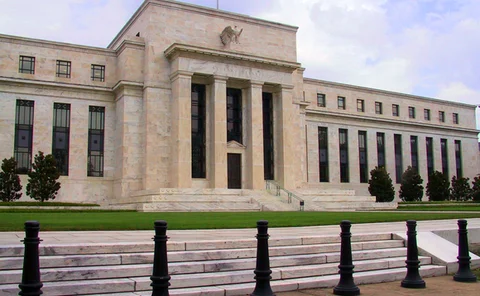
Lacker: Fed needs to offload risky assets first
Richmond Fed President tells audience MBS sales would reduce distortions in asset prices.

Bair: FDIC-style bailout needed for very large banks
Chairwoman of the FDIC Sheila Bair outlines resolution regime for the biggest firms

IMF stockpiles funds for crisis resolution
Fund prepares for the worst with $500 billion in extra funds from a standing borrowing arrangement with selected members

Fed to lose monetary affairs chief
Monetary affairs director Brian Madigan plans to retire later this year, he is succeeded by deputy director William English

Greenspan defends position on free market
Former Fed Chairman deflects criticism over adherence to Ayn Rand's views on laissez-faire capitalism

Fed’s Duke warns community banks are under threat
Governor Elizabeth Duke highlights some of the dangers posed by troubled real estate markets on community banks

Richmond Fed appoints new head of supervision
Jennifer Burns succeeds Malcom Alfriend as senior vice-president at Richmond Fed

Boston Fed measures effect of equity extraction on consumption
Boston Fed research shows equity extraction as significant driving force for consumption during US housing boom
Goodfriend: interest on reserves best exit policy
Marvin Goodfriend offers Congress advice on how to exit from the Fed’s accommodative stance without disrupting markets
Philly Fed: banking sector returns to profit
Report for fourth quarter notes bank failures also dropped
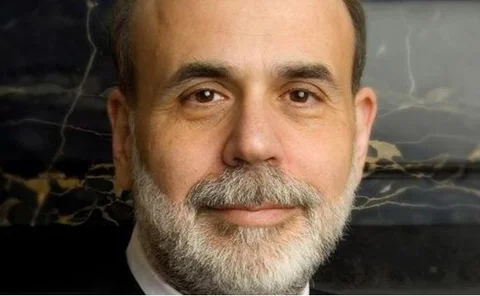
Bernanke: too-big-to-fail problem “unconscionable”
Fed chairman Ben Bernanke calls for a revision of regulation on firms, which are “too big to fail”

Exercise caution with Okun’s law: Bank of Canada paper
Research from the Canadian central bank shows recent evidence does not conform to the original specifications of relationship between output and unemployment
Major economies must heed Greece lesson: Carmen Reinhart
Co-author of This Time is Different warns sovereigns on debt sustainability

US, UK on the road to a downgrade: Moody’s
If the US and Britain cannot repair their balance sheets, the burden of servicing debt could cause them to lose AAA ratings, agency says

ECB’s Stark: global economy is heading for lost decade
Jürgen Stark says failure to learn from the crisis would result in anaemic global growth for the next ten years

Investment growth declines in Europe
Central Bank of Ireland research shows that while declines in investment growth is larger in US compared with the eurozone this year, it continues to lag behind the US overall

We won’t ban prop trading: British Lord
British business secretary Peter Mandelson says Volcker rule is “too difficult” even as Washington works to turn it into law

Community banks remain crucial for US economy
Chicago Federal Reserve summarises its conference on the impact of the financial crisis on community banks

Global rules for regulation or “catastrophe”: Trichet
ECB president Jean-Claude Trichet says international coordination is absolutely necessary in revamping regulation

Obama’s proposals – the only game in town
President Obama’s radical proposals recognise that the financial lobby can no longer hold society to hostage. They should be welcomed as a result, Robert Pringle, the chairman of Central Banking Publications, writes.