
International Monetary Fund (IMF)

Balance between Hong Kong and Singapore ‘vital’ for financial stability
Researchers at the IMF find Hong Kong and Singapore complement each other as financial centres because they specialise in different markets and clienteles

IMF calls on Iceland to defend central bank credibility
As the evaluation committee prepares to interview candidates for governor, IMF visit reminds Iceland of the need for a credible and independent central bank

Incoming BoE deputy Shafik says SSM makes working with ECB more important than ever
Minouche Shafik says single supervisory mechanism will improve co-ordination with Bank of England, but that it is too early to tell whether 'huge' project will be successful

IMF paper examines banks’ public bond holdings
Working paper published by the IMF finds that large banks accumulate high-risk public bonds during sovereign crises; examines relationship with bank lending
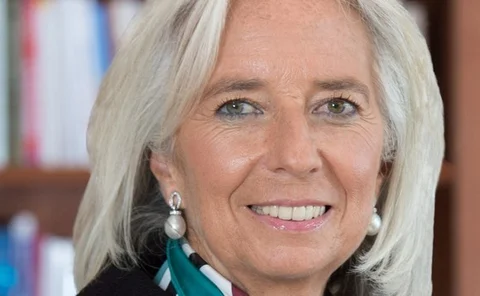
Lagarde highlights threat of renewed EM volatility
IMF director lauds ECB assault on low interest rates and highlights importance of central bank communication as Federal Reserve continues to taper
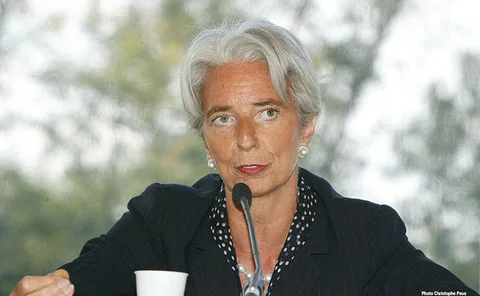
Lagarde sets competitiveness goal for Caribbean
IMF head Christine Lagarde encourages economies in the Caribbean to address the ‘twin challenges’ of competitiveness and climate change

Macro-pru beats monetary policy for open-economy financial stability
IMF working paper uses open economy framework to show macro-prudential policies are more welfare-enhancing than interest rate rises in seeing off over-exuberance
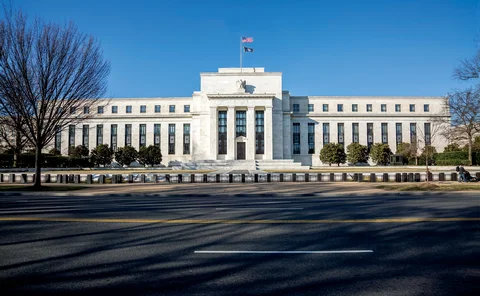
NY Fed’s Dudley calls on Puerto Rico to improve financial reporting
‘Unique status’ means troubled Caribbean economy is not regularly surveyed by public agency like the US Census Bureau or the IMF
Capital controls and exposure to China help EMs weather taper storm
IMF working paper isolates determinants of taper impact on emerging markets; finds capital controls, macro-prudential policies, and exposure to China can mitigate harm

IMF's Singh discusses ‘financial plumbing' issues as central banks leave ZLB
IMF's Manmohan Singh investigates issues around bank balance sheet regulations which may impact monetary policy options as central banks leave the zero lower bound
IMF says ECB should 'consider' buying eurozone government debt
International Monetary Fund encourages European Central Bank to launch large-scale asset purchase programme if inflation ‘remains stubbornly low’

Robert Pringle’s Viewpoint: Coping with capital flows
All nations face major challenges dealing with capital flows. In the absence of systemic reform to monetary and exchange rate systems, central banks will need to patch and mend where they can
Lagarde says Yellen should double FOMC press conference frequency
IMF chief says clear communication is needed to dispel market uncertainty over US interest rate lift-off; also calls on FOMC to publish quarterly monetary policy reports

Revisions to output gap estimates can skew fiscal stabilisers, IMF says
Working paper proposes a ‘rule of thumb' to take into account the likelihood of revisions to estimates of potential GDP when activating fiscal stabilisers
IMF researchers map out countries’ macro-financial risks
Working paper presents a framework for linking the various aspects of the IMF’s surveillance, and a tool for mapping out the various conditions in each member state

IMF launches global house price observatory to 'nudge' prudential policy-makers
Fund sets up website to help countries keep track of and compare housing sector developments and prompt them into ‘early action' on booms and busts

IMF paper warns low inflation will increase G-7 debt burden
Zero per cent inflation for five years would increase the average debt-to-GDP ratio by five percentage points, but researchers warn against chasing high inflation to erode debt burden

Hungary central bank hails pro-growth policies as IMF urges caution
Central Bank of Hungary sticks to easing cycle in face of IMF warnings; says growth in SME lending is down to its Funding for Growth Scheme

IMF agrees BoE should raise rates before tapering QE
Bank of England should raise interest rates before shrinking balance sheet, Fund says; notes ‘challenge' in communicating how monetary and macro-pru policies interlink

Central African central bank needs liquidity management overhaul, IMF says
IMF's annual mission to the Central African Monetary and Economic Community called for improved operations at the central bank and reform of government securities markets
Inflation targeting and fiscal rules work best together
IMF working paper finds fiscal rules and IT regimes are both more effective when they are used together; they also work best where the fiscal rule is brought in first

Carstens leads Sintra scepticism over macro-pru policies
Bank of Mexico governor Agustin Carstens says macro-prudential instruments were of ‘limited use’ in his country, while Lagarde points to other issues across the globe

IMF says Irish government should bolster central bank independence
International Monetary Fund report encourages the government to cede power over the central bank; authorities ‘disappointed’ by findings

Jamaica governor expects IMF money in June
Brian Wynter says country is performing well under EFF programme; notes 'continued favourable outlook' for inflation but 'elevated' expectations mean stance remains 'conservative'