
European Central Bank (ECB)
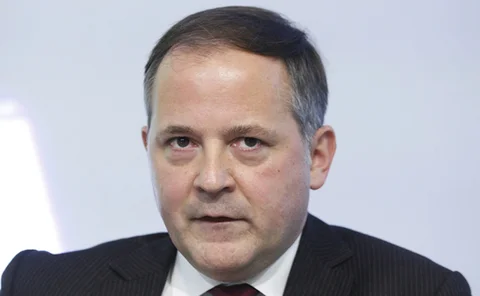
ECB’s Cœuré argues against protectionism
ECB board member says protectionist policies reduce overall growth potential; calls for a more “efficient, enduring and equitable” approach to globalisation

ECB profit for 2016 rises on asset purchase income
Supervisory charges on banks rise by €105 million

ECB paper models causes of flash crashes
Informational asymmetry and thin participation can cause liquidity problems, paper argues

Mersch: no political appetite for ‘European safe bonds’
The proposal for pooled, tranched bonds is “interesting”, but the public are likely to be suspicious

ECB gives green light to Italian recapitalisation law
ECB raises no objection to decree but other obstacles may remain

Monetary aggregates useful as eurozone inflation predictor – paper
“Predictive content” of monetary aggregates has improved since 2012, ECB paper says
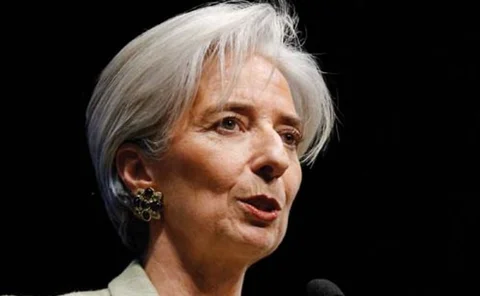
Future of Greek austerity divides IMF board
Some directors dissent from call to reduce mid-term primary surplus target

Draghi: eurozone ‘bad bank’ would not be ‘panacea’ for NPLs
ECB president also rejects criticisms made by the US president’s trade adviser
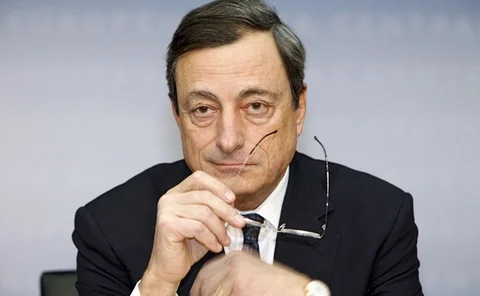
Eurozone still not a complete monetary union, Draghi says
Further reforms to create “common institutions” are necessary, ECB president argues
Energy base effects pushing recent eurozone inflation – ECB
Effect estimated to be negative for much of second half of 2017
Banks may relax scrutiny of securitised loans – ECB paper
The credit quality of euro-denominated loans falls after securitisation, researchers say
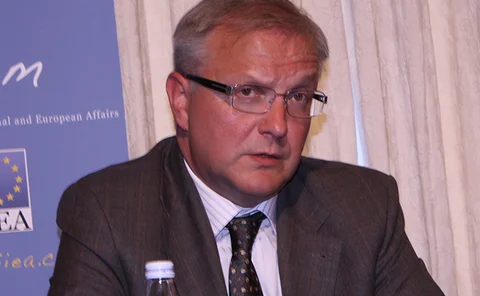
People: Finland sets out new board responsibilities
Two new members have been appointed to the Czech central bank’s board; new counsellor to Draghi replaces Smets at the ECB
Draghi examines financial integration through a digital lens
Digitalisation will help with financial integration, but beware of the risks, says Draghi; fintech is high on the ECB’s strategic agenda

Mersch: volume of T2S trades due to greatly expand
The “Target instant payment settlement system” could be working as soon as 2018, Mersch adds
Unconventional policy has improved ‘pass-through’, says ECB
“Simple pass-through models” are ill-equipped for analysis, paper argues

ECB reports 20.7% drop in number of counterfeits
Number of counterfeits ticked up in the second half of 2016, but annual figures are down; €50 note still dominates in terms of counterfeit volume, with new note to be released in April
Italian inflation pressures are weakening – ECB paper
Price cuts are more common for manufactured goods, the researchers say, while price increases for services are slowing
ECB papers examine low inflation
Researchers differ over eurozone inflation expectations

Helicopter money would have little impact, Dutch paper says
Household survey suggests little impact on inflation expectations, researchers argue
Coeuré: Europe must redistribute gains from new technologies
Automation might destroy jobs faster than it creates them, ECB official says
People: Frank Smets to head ECB economics department; new Chilean board member
Long-serving ECB economist becomes director-general; Chilean senate ratifies the appointment of Rosanna Costa; new communications director for Banque de France
EU watchdog enquires into Draghi’s membership of G30
NGO accuses ECB of being too close to financial industry
ECB paper compares financial inclusion in US and eurozone
Encouraging transfer payment recipients to open accounts has positive effect, study finds
Draghi says ‘substantial’ accommodation still necessary for eurozone
ECB sets out new criteria for asset purchases; Draghi says headline inflation rises are driven by energy prices