

Kuwaiti governor resigns after 25 years as chief
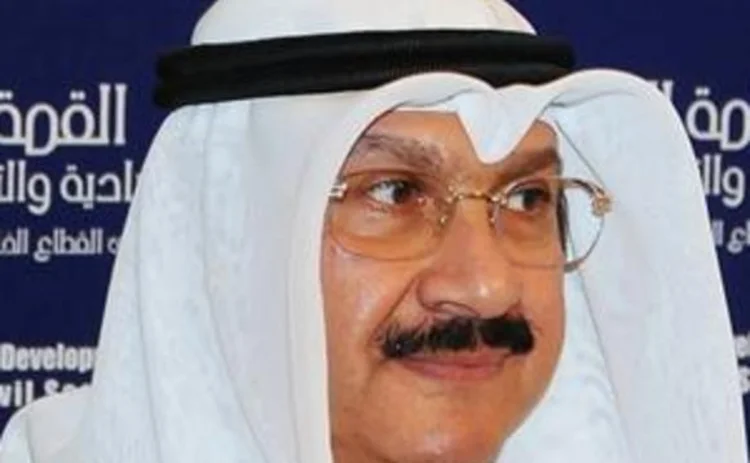
Sheikh Salem AbdulAziz Al-Sabah has resigned as governor of the Central Bank of Kuwait. The state media agency, Kuwait News Agency (Kuna), issued a confirmation of his departure on February 13.
Despite Kuna not offering a reason for the governor's resignation, local media immediately began reporting that political tensions were the cause. Al-Sabah had been governor since 1986 but had faced new challenges in recent months as central bank employees protested over employment conditions and pay.
On
Only users who have a paid subscription or are part of a corporate subscription are able to print or copy content.
To access these options, along with all other subscription benefits, please contact info@centralbanking.com or view our subscription options here: www.centralbanking.com/subscriptions
You are currently unable to print this content. Please contact info@centralbanking.com to find out more.
You are currently unable to copy this content. Please contact info@centralbanking.com to find out more.
Copyright Infopro Digital Limited. All rights reserved.
As outlined in our terms and conditions, https://www.infopro-digital.com/terms-and-conditions/subscriptions/ (point 2.4), printing is limited to a single copy.
If you would like to purchase additional rights please email info@centralbanking.com
Copyright Infopro Digital Limited. All rights reserved.
You may share this content using our article tools. As outlined in our terms and conditions, https://www.infopro-digital.com/terms-and-conditions/subscriptions/ (clause 2.4), an Authorised User may only make one copy of the materials for their own personal use. You must also comply with the restrictions in clause 2.5.
If you would like to purchase additional rights please email info@centralbanking.com
More on People

People: Sarb appoints former World Bank economist to MPC
Plus appointments in Singapore and the Seychelles

Schnabel to join IMF as financial counsellor
ECB official to step down early, creating another opening at the top of the bank

People: Union leader among BoE’s new non-execs
Plus RBNZ assistant governor to leave and Fnality appoints three ex-central bankers

Schnabel could leave ECB early to join IMF – German media
Germany may find itself without representative on bank’s governing board
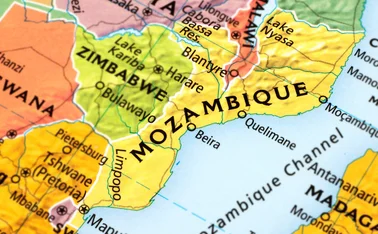
Mozambique’s ‘debt scandal’ casts shadow over governor appointment
Activist says president’s U-turn is likely to have been prompted by public outcry

Indonesian lawmakers approve Damayanti as BI governor
Parliament also confirms deputy governors, with formal appointments set for next month
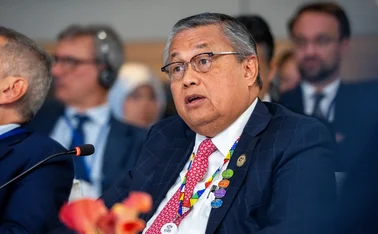
People: July to September 2026
A round-up of central bankers in the news and on the move during the past three months

Brian Langrin takes helm at Bank of Jamaica
Former head of financial stability succeeds Richard Byles as governor