
Central Banks

People: Barclays economist returns to BoE; Cleveland steps up search for Pianalto replacement
Bank of England hires Simon Hayes from Barclays to replace Robert Wood in charge of MPC economic forecasts, reporting to Spencer Dale; Cleveland Fed hires search firm to find new president

Fed has moved ‘considerably closer’ to flexible inflation target, paper finds
Federal Reserve researchers say the central bank has moved closer to a flexible inflation targeting framework through a series of steps taken to improving the communication of its policy objectives

Fall in OECD inflation highlights advanced economy monetary policy dilemmas
New OECD figures show lower annual inflation rates despite Japanese CPI turning positive; pressure mounts on ECB and Fed to counteract trend, but analysts unsure with what tools

BoE and FDIC campaign for end to ‘early termination’ of derivatives contracts
International authorities want a ‘short-term suspension’ of the rights that allow derivatives contracts to be terminated ahead of schedule when a major financial institution is being resolved

Dollarisation and institutional weakness hamper Congolese monetary policy
IMF paper highlights 'fiscal dominance' and 'lack of authority' as among reasons for central bank's ineffectiveness; strengthening current policy framework remains 'first-best option'

Russians vote to choose new rouble symbol
Central Bank of Russia says more than 102,000 people voted in the first day of its online poll to choose a symbol to represent the nation's currency; voting is open until December 5

Constâncio insists private sector will play ‘major’ role in filling capital shortfalls
The ECB’s vice-president says banks will be able to fill any capital holes turned up in the central bank’s comprehensive assessment at least partly through private funds

ECB paper finds value in high-frequency trading
Working paper suggests high-frequency trading aids price discovery, such that regulatory restrictions could damage market efficiency
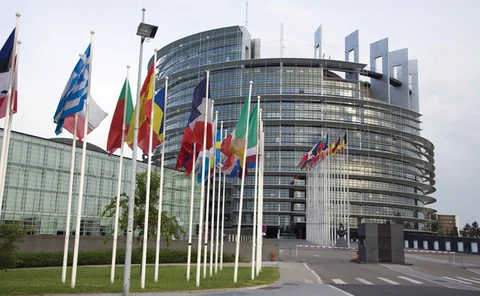
ECB faces parliamentary grilling on Troika track record
Senior managers from European Central Bank and European Commission defend the accountability and forecasting track record of the Troika in European Parliament hearing

Fed reaction function shift helped support recovery, research finds
NY Fed research finds markets viewed ‘calendar’ forward guidance as a more dovish approach to policy, supported by comments from FOMC members; ECB and BoE both denied such a move in own guidance
Bank of England waging payment system war on three fronts
Chief cashier Chris Salmon says the central bank must contend with issues relating to cyber security, user access and new regulation within the UK payments infrastructure

Kuroda sets out evidence that Japan’s recovery will persist
Bank of Japan governor highlights a range of factors that suggest Japan may be bringing 15 years of stagnation to a close – supported by the central bank’s aggressive monetary policy

ECB’s Asmussen urges Denmark and Sweden to sit at banking union table
Jörg Asmussen says the single supervisory mechanism will be the envy of those outside the eurozone; tells Denmark and Sweden they will get more of a say if they have ‘a chair at the table’ now

Fed’s Powell downplays QE impact on emerging markets
Governor admits Fed policy has played a part in capital flows to and from emerging markets, but argues other factors are more important; follows fresh complaints from Asian economies

Boston Fed president wants low rates well into future
Boston Fed president Eric Rosengren says Federal Reserve should not raise its short-term interest rates until there is ‘much more progress’ towards full employment and its inflation target
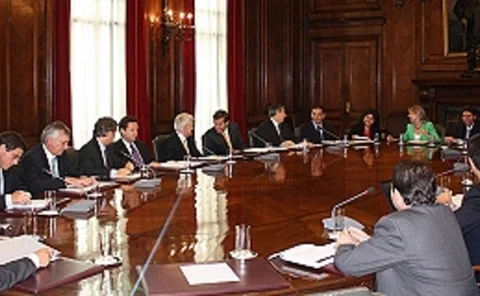
Chilean policy-makers grow concerned over inflation
Central Bank of Chile board members voice concerns over persistently low inflation in their October monetary policy meeting; vote to cut key policy rate for first time in 18 months

BoE creates new role in response to cyber crime threats
Chief information security officer will oversee the Bank of England’s IT security defences; UK banks to be tested on their ability to withstand online attacks
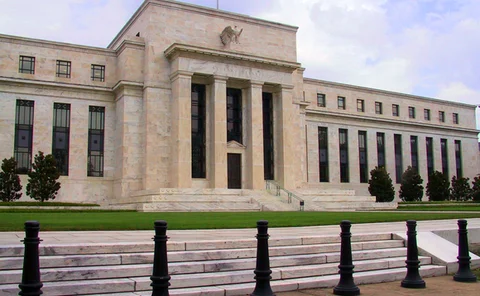
Federal Reserve reveals new, tougher stress tests
Details of stress tests for 2014 include scenario based on severe global recession, with some banks facing additional criteria; tests will be applied to 12 more banks than before

BoE official calls for greater transparency on CCP margin modelling
Central counterparties should compete on quality of risk management, rather than a race to the bottom on margins, says Bank of England's head of payments and infrastructure

Cypriot commission criticises ‘cumbersome’ managerial structure at central bank
Independent commission wants to see more power handed to the executive and non-executive directors at the Central Bank of Cyprus; says senior management dropped the ball on financial stability

Thailand’s Prasarn highlights ‘dramatic’ turnaround caused by Fed taper-talk
Embattled emerging market central banks trying to resist capital inflows suddenly had the opposite problem as Fed hinted at QE taper, but some may have tightened too fast, says Thai governor

Overburdened central banks may become ‘repoliticised’, says Orphanides
Former Central Bank of Cyprus governor warns overreliance on central banks may eventually ‘diminish and compromise’ their independence, in a paper published by the Boston Fed
Fed paper trials new model for estimating trend inflation
Researchers at the Federal Reserve generate lower estimates of trend inflation in advanced economies by using a multivariate model; still struggle to outperform random walk forecasts

Fed’s Fisher attacks ‘ineffective’ US government
Dallas Fed president Richard Fisher holds the United States government accountable for the slow pace of economic recovery; says the Fed has acted swiftly and decisively in comparison