
IFRS 9
Amid tariff turmoil, banks warned not to fudge IFRS 9 overlays
Flip-flopping US policies challenge loan loss provisioning models; EU regulators are watching closely





Georgia’s Gvenetadze on implementing an aggressive reform agenda
The National Bank of Georgia governor speaks about efforts to improve monetary policy, financial infrastructure, financial literacy, transparency and ESG

‘Ostrich approach’ to financial stability is a mistake
Denmark’s top supervisor, Jesper Berg, says scaling back IFRS 9 would be a costly error, despite the economic challenges raised by Covid-19

Risk weight tweak could fix IFRS 9 capital clash – research
Practitioner suggests way to cancel out double-counting of Basel credit loss provisions
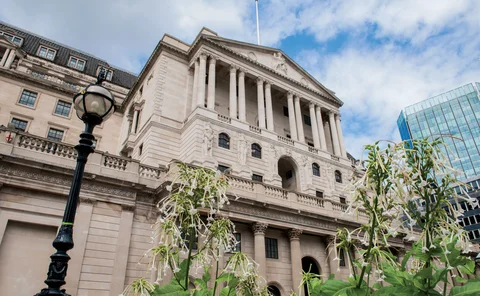
Leveraged lending creates challenges in UK stress tests
On some assumptions, banks would fail the tests; BoE to alter capital framework

A spotlight on IPSAS Draft 69
Proposed accounting guidance for specific instruments by the Public Sector Accounting Standards Board may have significant implications for central banks

Stress tests show major UK banks should withstand ‘disorderly Brexit’ – BoE
All large UK banks surpass risk-weighted capital and leverage hurdle rates

Supervisory lessons: fault lines in prudential regulation
Former Bank of Spain head of supervision Aristóbulo de Juan highlights the lessons he has learnt about weaknesses in prudential regulation, in the second of a four-part series on supervision

Papua New Guinea transitions to IFRS 9
Central bank will look to disclose more information around risk exposures

Russia raises capital ratios, launches fintech consultations
Systemically important banks must increase capital ratios; smaller banks can choose “basic” or “universal” licences

Doubts cast on Europe’s IFRS 9 transition period
Dynamic transition viewed as too complicated for banks to use or investors to understand

FSI paper offers lessons from Asia for IFRS 9 transition
Jurisdictions may wish to draw on Asian approach to provisioning when moving to IFRS 9