
Financial crisis

Hernández de Cos on ECB policy, crises responses and Basel reform
Spanish governor and Basel Committee chair Pablo Hernández de Cos favours a form of average inflation targeting, says ECB is willing to boost stimulus and Basel reforms not diminished by Covid-19 exceptions; stresses the need for structural reform and…

2020: The year in review
The past 12 months have been marked by crisis-fighting and losses, but also innovation

BoE’s Bailey explores future of balance sheet policy
Question of whether QE is “state contingent” could impact how it is deployed through the cycle

Guy Debelle on the future of the FX Global Code
Code’s creators considering updates to sections on last look and pre-hedging

US Congress strikes stimulus deal with weaker curbs on Fed powers
Previous wording would have prevented Fed from ever recreating the ‘Main Street’ programme

Former RBI official Rabi Mishra on macro-pru in the post-Covid world
The former executive director discusses challenges for supervision, global governance reform and the rise of fintech

Republican lawmakers seek curbs on Fed’s emergency facilities
Treasury backs lawmakers in bid to insert wording to bar Fed from restarting Covid loan programmes

Whither the age of ‘magic money’?
EME central banks are more exposed to changes in geopolitics, climate, demography, technology and inflation at a time when monetary theory is running well behind central bank practice

Ingves: Riksbank must have flexibility to develop new policy tools
Governor warns inquiry into central bank “clings” to an outdated view of economics

Bank of Spain paper looks at loan origination times
Loan origination data provides important insights into banking stability, researchers argue

Olli Rehn on AIT, market neutrality and EU fiscal policies
The Bank of Finland governor talks about the ECB’s strategy review, market failure on climate change, lessons from the sovereign debt crisis, and the Draghi legacy effect on Covid-19 responses

ECB highlights new channel reinforcing sovereign-bank nexus
State guarantees indirectly increase banks’ exposure to sovereign risks through corporates

Is there a path between the Covid abyss and chasm of financial risk?
Macro-prudential policies are being used to prevent economies from falling into the Covid abyss while also ensuring that a correction in ever-higher asset prices do not crush the economy. Are both objectives achievable?
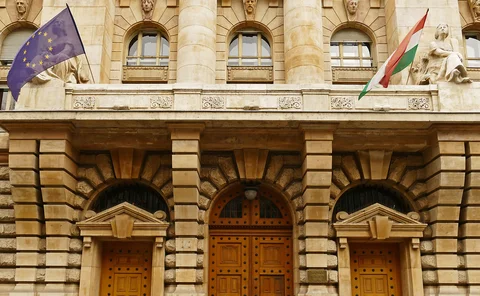
The ultimate store of value
Róbert Rékási, head of foreign exchange reserves management at the Central Bank of Hungary, speaks to Central Banking’s Victor Mendez-Barreira about how Covid-19 has changed gold investment trends

Pandemic has impacted post-crisis reform work – FSB
“Substantial work” still outstanding in important areas, Financial Stability Board says

Eurozone must not cut fiscal support too soon – IMF official
Environment favours public investment, but spending must be transparent, says fiscal affairs director Vítor Gaspar

IMF approves $370 million credit facility for Afghanistan
New programme aims to support country’s recovery from Covid-19

China mandates deposit insurance labels
PBoC goes further in implementing deposit insurance policies to mitigate risk

All that glitters – Surveying central banks on gold reserves
Key survey data and comments reinforce the main findings in Invesco’s central bank reserve management white paper on the revival of gold as a reserve asset.

How gold has regained its shine
In a year of exceptional circumstances – especially true for gold, which, in August, saw an all-time high price – Invesco explores how pandemic-driven uncertainty has returned the precious metal to the spotlight of the global monetary system.

BIS could play renewed role amid Covid crisis, scholar says
Fed’s role in dealing with Covid-19’s international effects has parallels with 1960s, historian argues

Bank of Canada ‘recalibrates’ QE programme
Central bank changes programme’s focus as Covid-19 cases climb

Maggiori, Neiman and Schreger on capital flows and Covid-19
The Global Capital Allocation Project sheds light on where vulnerabilities may lie

SF Fed’s Daly calls for major action on US inequality
Fed can use new policy framework to cut inequality but Federal government must do more, says Daly