
Central bank mandates
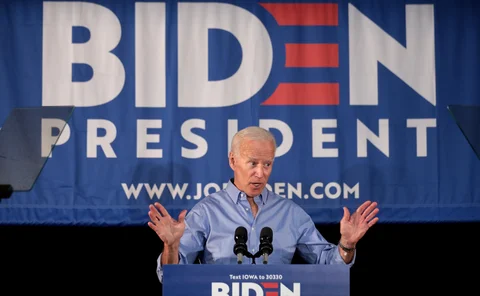
Biden promises new Fed mandate on racial inequality
Democratic candidate wants Fed to take responsibility for economic concerns of Black Lives Matter movement

Global carbon taxes are coming: central banks must prepare
The next financial crisis could be a green one. Are central banks doing enough to prepare?

ECB extends strategy review until mid-2021
Central bank postpones public events by six months due to the Covid-19 crisis

ECB unveils plan for its strategy review
Eurosystem will host “listening” events with general public, academia and civil society organisations

BIS’s Pereira says green QE could distort market
Central banks should focus on financial stability mandate not green QE, says deputy general manager

Government cannot ‘grab’ central bank’s resources – Njoroge
CBK governor reiterates central bank-funded bailouts “never work”, as state agencies are forced to surrender excess securities and Treasury bills

Australia’s FMI supervisory oversight ‘not fit for purpose’
Proposal would transfer oversight of FMIs to central bank and securities regulator

Brazil’s central bank gains powers to license foreign-based banks
Central bank says it will speed up entrance of foreign-owned firms to banking sector

The Deutsche Bundesbank’s digital transformation
The German central bank’s new digital agenda includes major re-engineering of legacy analytics, processes, innovation management and digital competency

South Africa’s broad inflation target range ‘a mistake’, says Kganyago
Sarb governor complains that ownership debate is damaging country’s economy
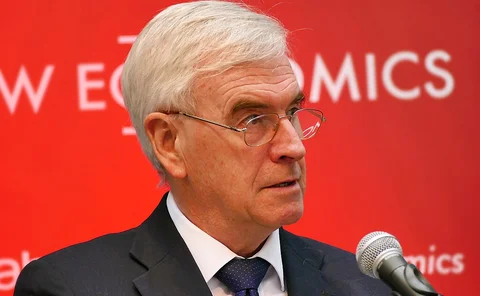
UK opposition sees greater role for BoE in fighting climate change
John McDonnell says BoE can do more to drive investment in productive, green sectors

Climate change – Where can central banks contribute?
Climate change is becoming increasingly important to central banks thanks to its implications for financial stability. In a forum sponsored by Amundi, Central Banking convened a panel of experts to discuss the latest innovations, regulations and…

A powerful new force – Central banks and climate-related risks
Increasing global concern about climate change is causing central banks to take notice of the issue and its potential implications. Frédéric Samama, head of institutional client coverage at Amundi, examines the findings of Central Banking’s survey on…

Why two degrees matters to central banks
Ulrich Volz explores why strong leadership is required from central banks and supervisors to ensure the financial sector will be in a position to weather climate risks.

UK Labour Party floats idea of house price target for BoE
Report from opposition party suggests central bank could target 2% house price growth

Namibian government proposes to cap its borrowing from central bank
Finance minister asks for five-fold increase to central bank’s capital to pay for new responsibilities

ECB’s chief economist takes to Twitter
Praet expresses scepticism about dual mandate and rejects ‘modern monetary theory’

South Africa to press ahead with Sarb nationalisation
Governor Kganyago warned in July 2018 nationalisation would be a long and expensive process
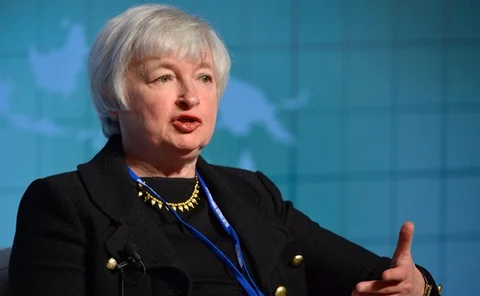
Trump does not grasp macroeconomic policy – Yellen
Former Fed chair doubts president could recite Fed’s dual mandate goals

Philippine central bank handed new stability powers and mandate
Act removes money supply and credit as determinants for monetary policy in addition to granting central bank broader supervisory scope

RBNZ adopts new dual policy target
New Zealand’s central bank will now have maximum employment target alongside inflation goal
Sarb’s mandate will not change, president Ramaphosa says
Officials move to clarify manifesto claim following backlash

French governor warns of the perils of ‘impatience’
Central banks should maintain a longer term view, even in the face of volatility and government pressure

Divergent motives fuelling CBDC discussion, BIS survey reveals
Majority of central banks are researching the various forms of CBDC, but very few expect to launch in the next six years