
Banks

PBoC announces policies to help pandemic-stricken economy
Package of 23 measures echoes actions taken in 2020
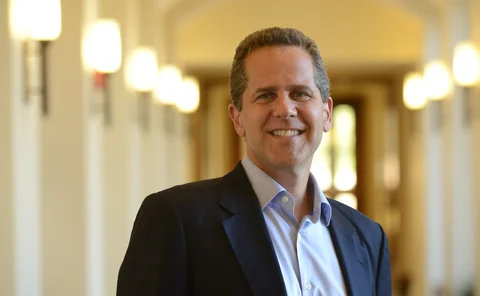
Biden nominates Barr for Fed supervision post
Previous nominee Sarah Bloom Raskin withdrew in March after Republican attacks

Tech talent: a global bottleneck for central banks?
Central banks are struggling to recruit people with the right fintech expertise. The search for talent may also create new ethical challenges in managing links to industry

Mitigating regulatory risks of mobile payments
Third-party payment providers need to give up data to supervisors to prevent fraud
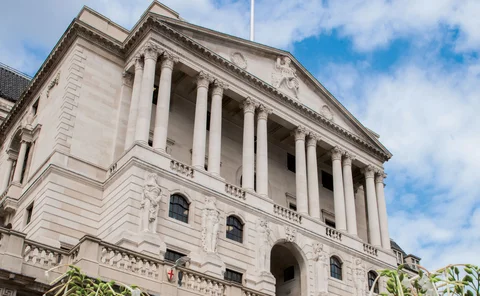
Gas investments important for energy security, UK’s Sunak tells BoE
Chancellor of the Exchequer urges officials to support government’s energy security policy
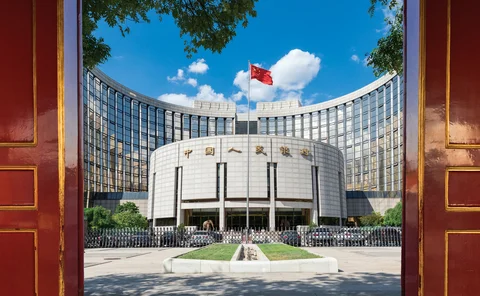
Chinese draft law sets up financial stability fund
New government committee would oversee financial stability as concerns grow

Quantum computing: ready for prime time?
Central banks should add QC to their strategic planning, despite it being a work in progress

Is a bond market crisis imminent?
Central banks need careful action and a good dose of luck if they are to avoid financial instability

Fractures in the monetary system
Seizure of Bank of Russia assets likely to have long-term implications for international system

Central Banking Awards 2022: final winners unveiled
Prizes for Central bank of the year, Lifetime achievement, Transparency, Economics and more

Lifetime achievement: Stanley Fischer
Fischer has had a profound impact on monetary economics and central banking during his prolific career

Technology services: SAP
The software company pulled off a high-stakes ‘big-bang’ launch of a new core banking system for the Saudi Central Bank

Project Ellipse: real-time data and the ‘art of the possible’
BIS’s Andrew McCormack and MAS’s Kenneth Gay talk about phase two of the suptech project, which combines real-time news with regulatory data

Currency initiative: Central Bank of the Philippines’ Cash Service Alliance
Homegrown IT system allows Philippine central bank to direct cashflows between banks during Covid-19

Payment services: CMA
The Swedish payments firm is well known as a provider of core infrastructure for central banks, and is now a key player in a new payment system linking the Arab world and beyond

Thailand’s SEC bans crypto payments
BoT proposes limits on banks’ digital asset investments
RBI paper finds high market power can undermine bank stability
Author documents “inverse U-shaped” relationship, suggesting only some mergers are desirable

Project Dunbar raises ‘more questions than answers’
BIS’s multi-CBDC project focused on qualitative benefits and trialled small-scale cross-border transfers

Central Banking Awards 2022: second tranche announced
Awards published today include capacity building, communications, website and global markets

Central bankers see ‘potential’ in stablecoins
But John Williams, Cecilia Skingsley and Perry Warjiyo warn such systems must be better regulated

ECB supervision and the state of the eurozone’s banks
ECB banking supervision has passed the first stage of the Covid-19 test. But many challenges remain, including banks’ internal governance and data processing, excessive leveraged lending in some segments, and a lack of progress towards a more competitive…

Governor of the year: Mario Marcel
Chile’s governor has expertly navigated a third currency crisis in two years, amid wider EM stress and political volatility, while bolstering the central bank’s capabilities

Central banking in occupied Ukraine: what might happen?
How Russian authorities might deal with banking and currency in occupied Ukraine
Liu He intervention helps calm Chinese markets
Authorities promise easier policy as economy hit by Covid outbreak and Russia-Ukraine war