

Privacy commissioner closes probe into RBNZ cyber defences
Central bank has “made every change recommended and more” in wake of hacker breach
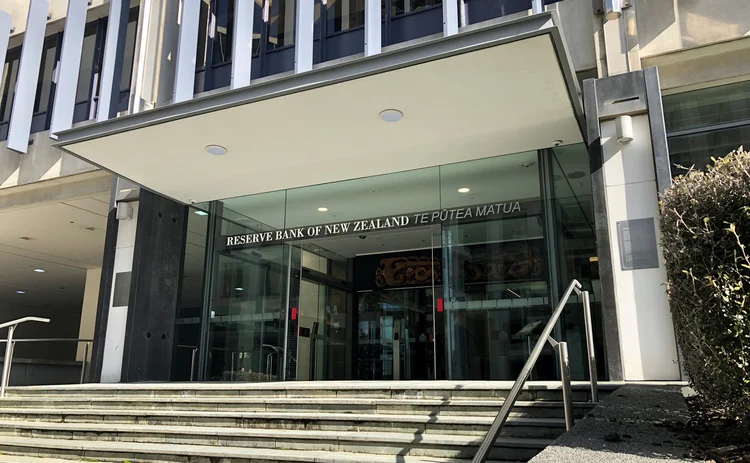
New Zealand’s privacy commissioner has closed a probe into the central bank’s cyber defences, following a breach that saw hackers gain access to sensitive documents in late 2020.
The commissioner’s office ended its “compliance notice” today (September 1). The notice set out several reforms for the Reserve Bank of New Zealand to enact relating to the security of personal information.
“The RBNZ has made every change recommended and more, and we are closing this compliance notice confident that
Only users who have a paid subscription or are part of a corporate subscription are able to print or copy content.
To access these options, along with all other subscription benefits, please contact info@centralbanking.com or view our subscription options here: www.centralbanking.com/subscriptions
You are currently unable to print this content. Please contact info@centralbanking.com to find out more.
You are currently unable to copy this content. Please contact info@centralbanking.com to find out more.
Copyright Infopro Digital Limited. All rights reserved.
As outlined in our terms and conditions, https://www.infopro-digital.com/terms-and-conditions/subscriptions/ (point 2.4), printing is limited to a single copy.
If you would like to purchase additional rights please email info@centralbanking.com
Copyright Infopro Digital Limited. All rights reserved.
You may share this content using our article tools. As outlined in our terms and conditions, https://www.infopro-digital.com/terms-and-conditions/subscriptions/ (clause 2.4), an Authorised User may only make one copy of the materials for their own personal use. You must also comply with the restrictions in clause 2.5.
If you would like to purchase additional rights please email info@centralbanking.com
More on Cyber

US Treasury looks to deepen G7 cyber co-operation after exercise
Canada, France, Germany, Italy, Japan, UK and the US adapt long-term strategy amidst mounting tension

Odean White on cyber, natural disasters and geopolitical risks
Bank of Jamaica’s chief risk officer discusses weather event contingency planning, the impact of ‘shocks’ on policy, being proactive on quantum, and countering phishing and AI-enabled attacks

ECB tells banks to plan for AI-related collapse in cyber defences
European Systemic Risk Board warns response times have narrowed from days to minutes

Elizabeth McCaul on the need for resilience in cyber security
Former ECB official explains why response preparedness is more important than predicting attacks

Myths and realities of AI hacking
New artificial intelligence models raise serious concerns about the future security of the international monetary system

Central banks face hydra-headed cyber threats – panel
Geopolitics and concentration risk mean attacks could threaten financial stability as well as operations

Latest AI models, such as Mythos, pose new cyber risks – Nagel
Bundesbank president underlines large language models’ high costs and tendency to hallucinate

Central bankers highlight insider threats to cyber security
Due diligence, including into third parties, is essential to mitigating problem, panellists say