

Draghi wants shared sovereignty over structural reforms
Advocates adopting an ‘institution-based approach’ to common governance
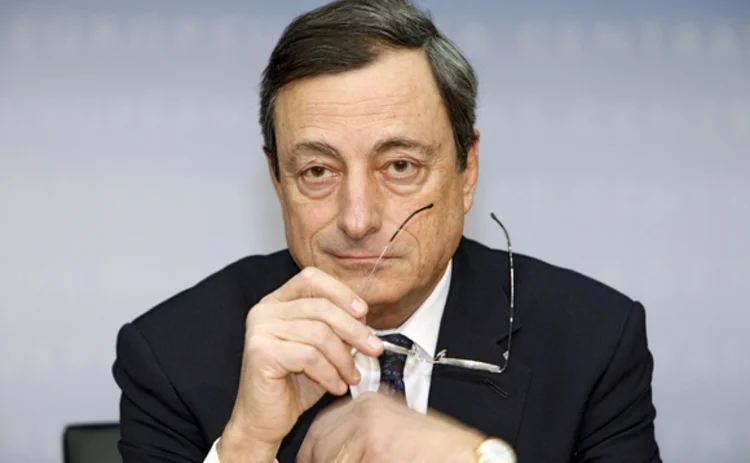
Mario Draghi called for a "quantum leap in institutional convergence" at a conference yesterday (March 16), as he fleshed out his vision for common governance of structural reforms in the eurozone.
The European Central Bank (ECB) president first introduced the idea of common governance when he spoke at a memorial lecture for Tommaso Padoa-Schioppa in London in July 2014.
He highlighted the importance of reforms again yesterday, at the SZ Finance Day in Frankfurt, before arguing in favour of an
Only users who have a paid subscription or are part of a corporate subscription are able to print or copy content.
To access these options, along with all other subscription benefits, please contact info@centralbanking.com or view our subscription options here: www.centralbanking.com/subscriptions
You are currently unable to print this content. Please contact info@centralbanking.com to find out more.
You are currently unable to copy this content. Please contact info@centralbanking.com to find out more.
Copyright Infopro Digital Limited. All rights reserved.
As outlined in our terms and conditions, https://www.infopro-digital.com/terms-and-conditions/subscriptions/ (point 2.4), printing is limited to a single copy.
If you would like to purchase additional rights please email info@centralbanking.com
Copyright Infopro Digital Limited. All rights reserved.
You may share this content using our article tools. As outlined in our terms and conditions, https://www.infopro-digital.com/terms-and-conditions/subscriptions/ (clause 2.4), an Authorised User may only make one copy of the materials for their own personal use. You must also comply with the restrictions in clause 2.5.
If you would like to purchase additional rights please email info@centralbanking.com
More on Central Banks

Venezuela implements minimum interest rates on bank deposits
Central bank says move will encourage people to hold more money in local currency

Cameroon’s purchases of bank stakes raise concerns
State’s acquisition of former SocGen subsidiary raises questions about governance, say experts

Europe’s main asset in digital race is its size, says Lagarde
ECB president says domestic barriers must be lifted so start-ups can drive innovation

Argentina eases bank dollar lending to companies
Authorities roll back post-2001 guardrails in effort to boost credit and economic growth

Argentina renews $19 billion swap line with China
New agreement between BCRA and PBoC extended from three to five years

Central bank gold demand bounces back to record high
World Gold Council revision points to slowdown in central bank demand in first quarter of 2026

Bolivia nears $2.8bn IMF deal
Minister says country ‘days away’ from agreement on funding to strengthen central bank reserves

Cross-border co-operation stronger for non-central bank supervisors
Roughly one-fifth of central banks lack supervisory college membership