

Russia hosts Brics talks over cross-border use of CBDCs
Summit takes place in Moscow with bloc’s new Middle Eastern and African members

The Bank of Russia is holding consultations with delegates from the Brics economic bloc and other friendly countries over the cross-border use of central bank digital currencies (CBDCs), Russian state media has reported.
The bank’s governor Elvira Nabiullina made the announcement on state-owned RIA Novosti on January 30. She said the Bank of Russia opposed the use of cryptocurrencies for domestic payments. However, she added that she supported the use of cryptocurrencies and CBDCs for foreign
Only users who have a paid subscription or are part of a corporate subscription are able to print or copy content.
To access these options, along with all other subscription benefits, please contact info@centralbanking.com or view our subscription options here: www.centralbanking.com/subscriptions
You are currently unable to print this content. Please contact info@centralbanking.com to find out more.
You are currently unable to copy this content. Please contact info@centralbanking.com to find out more.
Copyright Infopro Digital Limited. All rights reserved.
As outlined in our terms and conditions, https://www.infopro-digital.com/terms-and-conditions/subscriptions/ (point 2.4), printing is limited to a single copy.
If you would like to purchase additional rights please email info@centralbanking.com
Copyright Infopro Digital Limited. All rights reserved.
You may share this content using our article tools. As outlined in our terms and conditions, https://www.infopro-digital.com/terms-and-conditions/subscriptions/ (clause 2.4), an Authorised User may only make one copy of the materials for their own personal use. You must also comply with the restrictions in clause 2.5.
If you would like to purchase additional rights please email info@centralbanking.com
More on CBDC

Japan’s CBDC pilot far from ready for mass adoption – BoJ
Central bank says building digital currency for public use will be much harder than testing
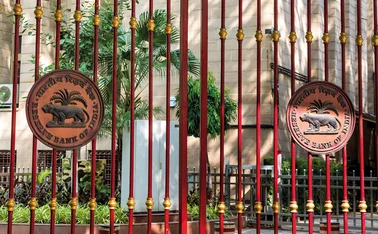
India extends programmable CBDC welfare scheme
Government hails e-rupee food initiative as “proof of concept for the nation”

Brics in talks to link CBDCs and payments, says RBI governor
Central Bank of Brazil hunkers down on integrating Pix with other fast payment systems

China and Kazakhstan to link CBDCs
Central bank agreement includes currency swap and linking interbank payments systems to settle in national currencies

Digital euro would have ‘muted’ effect on banks’ funding – paper
Bundesbank finds that €3,000 holding limit would cause “contained” effects on long-term bank health

Cipollone outlines digital euro app as ECB readies pilot
Board member says application will ‘leave no-one behind’

Digital euro passes European Parliament’s first hurdle
Economic and monetary committee’s rapporteur says CBDC will ‘never replace’ cash

BoE pledges to link tokenised markets to central bank money
Bank says RTGS will be modified to support use of tokenised assets as collateral by 2028