

CEE business cycles still out of sync with eurozone, Polish paper finds
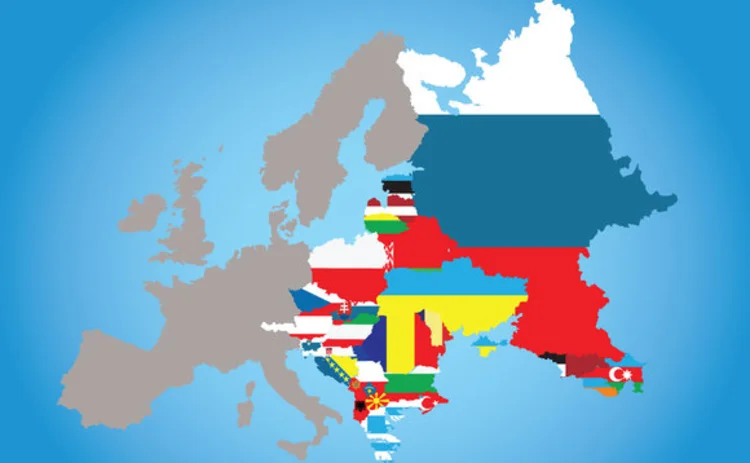
A working paper from an economist at the National Bank of Poland looks into the business cycles in eurozone economies and the economies of European Union (EU) member states in central and eastern Europe (CEE), finding that differences remain despite increased convergence.
The paper, Business Cycles in EU New Member States: How and Why are They Different?, by Marcin Kolasa, uses the business cycle accounting framework to investigate the differences between economic fluctuations in the two groups.
K
Only users who have a paid subscription or are part of a corporate subscription are able to print or copy content.
To access these options, along with all other subscription benefits, please contact info@centralbanking.com or view our subscription options here: www.centralbanking.com/subscriptions
You are currently unable to print this content. Please contact info@centralbanking.com to find out more.
You are currently unable to copy this content. Please contact info@centralbanking.com to find out more.
Copyright Infopro Digital Limited. All rights reserved.
As outlined in our terms and conditions, https://www.infopro-digital.com/terms-and-conditions/subscriptions/ (point 2.4), printing is limited to a single copy.
If you would like to purchase additional rights please email info@centralbanking.com
Copyright Infopro Digital Limited. All rights reserved.
You may share this content using our article tools. As outlined in our terms and conditions, https://www.infopro-digital.com/terms-and-conditions/subscriptions/ (clause 2.4), an Authorised User may only make one copy of the materials for their own personal use. You must also comply with the restrictions in clause 2.5.
If you would like to purchase additional rights please email info@centralbanking.com
More on Economics

Inside the ECB’s upgraded multi-country model
ECB-Base sets the blueprint for a new semi-structural workhorse model of the eurozone

Money matters for macro fluctuations – Fed paper
Working paper says previous research by Schularick and Taylor may have been flawed

Macroeconomists should integrate climate change data into their models, research finds
Paper calls for the use of scientific data on weather and the prediction of extreme climate events

Multiplier of spending cuts bigger than fiscal expansions, paper argues
Impact of austerity is at its peak during recessions, Richmond Fed paper finds

Fiscal stabilisation spurs growth in low fixed-asset sectors - IMF
Those with difficulty raising external funds benefit most from policy, paper argues

Kansas City Fed explores sources of wage dispersion in the US
Paper explores relative importance of “lifetime differences” and “match-specific” factors

Public spending shocks work better when households are confident- paper
Government spending stimulus reduces household confidence as it confirms pessimism regarding economy, paper argues

IMF working paper sees regulation as key driver of decline in foreign lending
Research contends regulatory tightening is behind much of the ‘sluggishness’ in international banking