
Macro-prudential

Research finds ways to tame FRTB’s biases in forex charges
New paper shows ways to reduce influence of reporting currency

Riksbank cautious on plans for new macro-prudential tools
Central bank broadly welcomes government proposals but takes issue with elements it sees as limiting flexibility

Kashkari rejects Dimon’s claims on too big to fail
Minneapolis Fed chief rebuts assertion by JP Morgan CEO that US banks are no longer too big to fail; says capital is too low, not too high

Congress urged to curb Fed’s regulatory powers
House hearing revives the debate on consolidating US regulatory agencies

Tarullo admits Volcker rule may be ‘too complicated’
Outgoing Fed governor says Volcker rule probably needs adjustment, though he warns against any measures that would weaken the capital regime
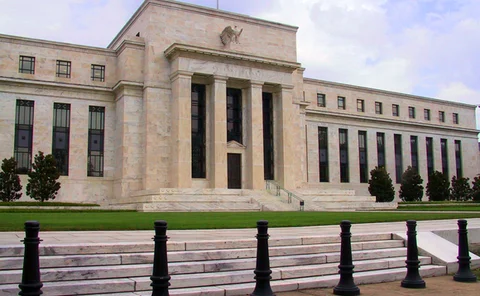
Fed paper searches for optimal bank capital
Study weighs higher cost of equity against the reduction in costly financial crises implied by higher capital, estimating an optimal figure

Debelle sets timeframe for adoption of forex global code
Market participants will have six to 12 months to adjust practices once the code is published on May 25
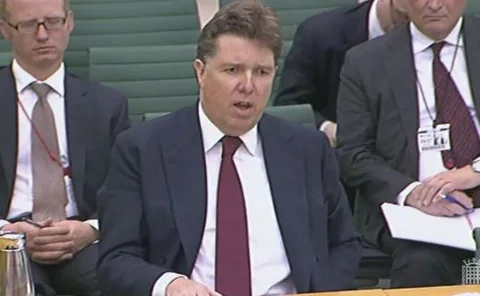
Tucker: policymakers should focus on resilience and clarity
Central banks would gain legitimacy if they could better explain their models of systemic crises, and if politicians specified a particular risk tolerance, says former BoE deputy governor Paul Tucker

Basel Committee outlines enhanced disclosure framework
Revised Pillar 3 standard adds “dashboard” of banks’ key prudential metrics and consolidates all existing Basel Committee disclosure requirements

Basel Committee to retain provisioning treatment as IFRS 9 launches
Committee admits differences across countries are likely to remain in the interim, while it works to design a new approach to the regulatory treatment of expected credit losses

Fed authors construct ‘financial stability sentiment’ index
Index derives sentiment from central bank financial stability reports, finding a drop in sentiment tends to precede a “significant deterioration” of financial indicators

Bank of England launches first ‘exploratory’ stress test
BoE will assess banks’ longer-term resilience to periods of stagnation; cyclical test made tougher

BoE’s FPC sounds warning on implementation of global standards
FPC cautions on global co-operation around regulatory standards; follows plans for deregulation in the US and tit-for-tat threat from German regulators

Book notes: Competition and Stability in Banking, by Xavier Vives
Xavier Vives has written a fascinating book that highlights many important issues in banking regulation. But there are some flaws in his argument

SEC nominee flip-flops on Dodd-Frank rollback
Rules mandated by statute must be adopted by regulators, Clayton concedes

CEPR report ‘cautiously optimistic’ on bail-in
Thomas Philippon and Aude Salord find range of issues with European bail-in rules, but say they can probably be fixed; Cyprus bail-in “terribly” executed but still worked

Norges Bank paper offers method of stress testing with fire sales
Model recognises possibility of indirect exposures, which could affect outcome of bank stress tests

BoE’s PRA should clarify approach to insurance, report says
Report asks Prudential Regulation Authority to review boundaries of “policyholder protection”, warning the regulator not to stray into the FCA’s territory

Carney warns of fading regulatory momentum
“Nascent risks” could threaten progress made so far if lawmakers and regulators give in to “reform fatigue”, the FSB chairman says

PBoC working to rein in shadow banking risks
Central bank is toughening its regulatory stance and tightening interbank liquidity as shadow banking products proliferate

Policy intervention helps economies escape ‘stagnation traps’ – paper
Research published by ECB explains how “pessimistic expectations” can lead to low employment and growth, dampening investment; countercyclical subsidies could be the answer

RBA’s Bullock says central banks are ready to ‘take action’
Old school of thought regarding asset bubbles abandoned following financial crisis; macro-prudential tools are helping policymakers “clean up”

Foreign bank branches show more volatile lending – Norges Bank commentary
Foreign branches may be subject to lower capital requirements, giving them a competitive edge but also making their lending growth more volatile

BIS authors spot structural break in bank financing
Research identifies turning point in how banks fund themselves around 2008, with greater reliance on branches and subsidiaries