

Balkanisation of bank lending has made recipient countries safer, says IMF
Upcoming report highlights benefits of reduction in cross-border credit flows

The decrease in international bank lending since the financial crisis has made markets in recipient countries safer, the International Monetary Fund argues in its upcoming financial stability flagship report.
The number of direct cross-border bank loans has shrunk since 2008, due primarily to weaker balance sheets and tougher regulations, according to the IMF. At the same time, lending through foreign branches and subsidiaries has remained stable.
This relative shift to "local lending through
Only users who have a paid subscription or are part of a corporate subscription are able to print or copy content.
To access these options, along with all other subscription benefits, please contact info@centralbanking.com or view our subscription options here: www.centralbanking.com/subscriptions
You are currently unable to print this content. Please contact info@centralbanking.com to find out more.
You are currently unable to copy this content. Please contact info@centralbanking.com to find out more.
Copyright Infopro Digital Limited. All rights reserved.
As outlined in our terms and conditions, https://www.infopro-digital.com/terms-and-conditions/subscriptions/ (point 2.4), printing is limited to a single copy.
If you would like to purchase additional rights please email info@centralbanking.com
Copyright Infopro Digital Limited. All rights reserved.
You may share this content using our article tools. As outlined in our terms and conditions, https://www.infopro-digital.com/terms-and-conditions/subscriptions/ (clause 2.4), an Authorised User may only make one copy of the materials for their own personal use. You must also comply with the restrictions in clause 2.5.
If you would like to purchase additional rights please email info@centralbanking.com
More on Financial Stability

RBA says stability risks mainly come from abroad
Bank’s finstab report says financial system resilient but points to AI and geopolitical concerns

Supervisors must co-operate internationally – Elderson
ECB board member warns emerging risks to stability demand joint response from regulators

Bailey calls for AI kill switch ahead of regulation
FPC says technology is escalating financial stability risks and making them more intertwined

Podcast: Cyber security threats to financial stability in the age of AI
Nation-state espionage, malware and ransomware but with agentic AI swarms

Goodhart and Pradhan on the end of monetary independence
The unanchored central banker authors speak about how ageing populations, soaring healthcare costs and rising fiscal deficits will force central bankers to compromise on inflation targets and bail out indebted governments

Book notes: The unanchored central banker, by Manoj Pradhan and Charles Goodhart
A book sparkling with provocative opinions that challenges readers to rethink central banking amid evolving macro trends
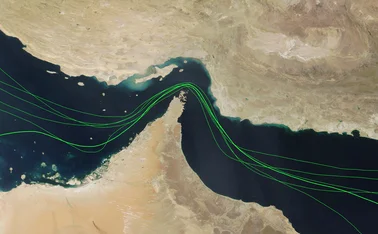
Strait of Hormuz is top barometer of supply stress – BIS study
Impact of traffic disruption through other waterways neither as consistent nor as global

Regulatory risk aversion contributed to SVB failure – Bowman
Supervisors ‘knew, or should have known’ about risks a year before bank’s collapse, says Fed vice-chair