

Philippines to issue up to four more digital bank licences
New entrants must bring new services to the table, central bank says
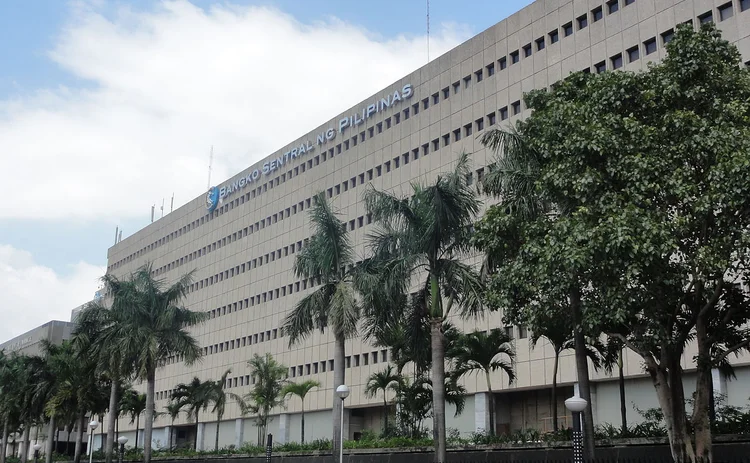
The Central Bank of the Philippines (BSP) has said from next year that it will allow another four digital banks to operate in the country, thereby raising the cap on the number of digital banking licences to 10.
The central bank said in a statement on August 8 that its monetary board had decided to lift the moratorium on new licences from January 1, 2025.
The BSP said the decision was aimed at harnessing the potential for banks to have a positive impact on the Philippines’ financial system. It
Only users who have a paid subscription or are part of a corporate subscription are able to print or copy content.
To access these options, along with all other subscription benefits, please contact info@centralbanking.com or view our subscription options here: www.centralbanking.com/subscriptions
You are currently unable to print this content. Please contact info@centralbanking.com to find out more.
You are currently unable to copy this content. Please contact info@centralbanking.com to find out more.
Copyright Infopro Digital Limited. All rights reserved.
As outlined in our terms and conditions, https://www.infopro-digital.com/terms-and-conditions/subscriptions/ (point 2.4), printing is limited to a single copy.
If you would like to purchase additional rights please email info@centralbanking.com
Copyright Infopro Digital Limited. All rights reserved.
You may share this content using our article tools. As outlined in our terms and conditions, https://www.infopro-digital.com/terms-and-conditions/subscriptions/ (clause 2.4), an Authorised User may only make one copy of the materials for their own personal use. You must also comply with the restrictions in clause 2.5.
If you would like to purchase additional rights please email info@centralbanking.com
More on Financial market infrastructure

German authorities announce cyber investment fraud crackdown
“Operation Heracles” cut off nearly 10,000 phone numbers used for investment fraud

Tokenisation: a load of old bull for London’s financial markets?
Focusing on tech in context of digital transformation risks repeating 1980s Taurus debacle

BoK finds market infrastructure rules affect stablecoin and FX moves
Access to FX and crypto markets bears on won internationalisation efforts

Market reforms are about boosting policy transmission, says CBN
Changes brought in by Nigerian central bank enable individual investors to participate in OMOs

PBoC appoints Deutsche Bank as a renminbi clearing bank for Europe
China’s central bank reiterates pledge to internationalise RMB as part of its five-year plan

Financial education hits the golf course in Kenya
Central bank uses tournament to tee up domestic bond market

Frontier AI poses new cyber risks – BIS study
National and international co-operation needed to tackle increased threat

DRC’s FX upgrade part of efforts to boost currency – governor
Wameso says central bank is pursuing modernisation agenda to strengthen the financial system