
Monetary Policy

ECB will stay in asset markets - Draghi
Asset purchases will continue, but at a lower monthly rate; ECB to accept cash as collateral in securities lending programme

Central Bank of Brazil says ‘intensification’ in pace of monetary easing might be warranted
Some members of the committee said there could be room for a larger rate cut, minutes show; slowdown in inflation and implementation of government fiscal policies prompted 25bp cut

Patel defends approach to banknote crisis, as RBI holds
Governor offers some clarity on progress with note withdrawals and question of “extinguishing” parts of balance sheet; rate hold surprises market

St Louis Fed president may support rate increase
Bullard cautions future real interest rates likely to stay flat; says Trump administration can only alter low interest rate environment by improving productivity

Dombret paints gloomy picture of low rates’ impact on banks
Bundesbank board member spells out risks associated with low interest rate environment, noting banks are more likely to take risky assets onto their books the longer it prevails
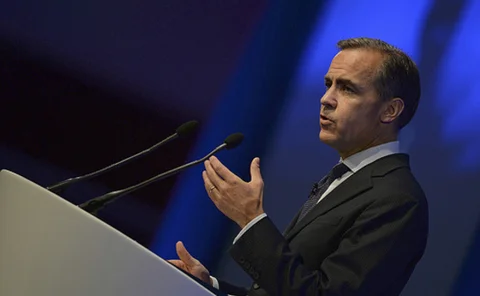
Carney hits back at critics of monetary policy’s distributional impact
Monetary easing has disproportionately benefited the poor, BoE governor says; loss of open markets “would be a tragedy, but is a possibility”

Brazil cuts interest rates amid US economic uncertainty
Uncertainty around the rate of disinflation prompts committee to reduce rates with caution; pace of disinflation may “intensify”, says Copom, dependent on strength of economic recovery
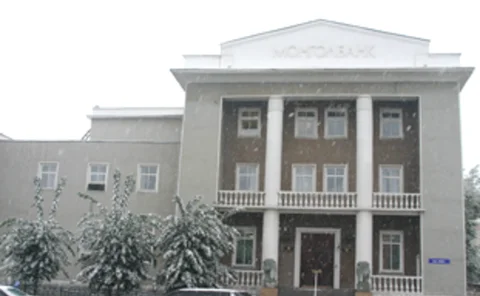
Rate pass-through 'weaker and slower' in Mongolia – paper
Reforms at the Bank of Mongolia have improved the transmission mechanism, authors say, but there is plenty more work to do
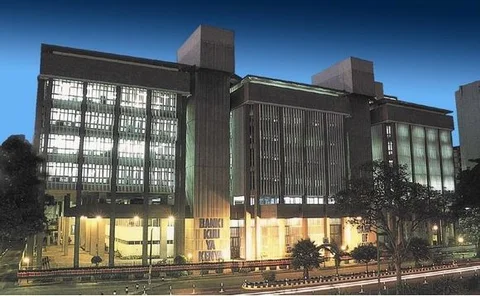
Impact of interest rate cap still unclear – Kenyan governor
There is not enough data on interest caps to influence the MPC’s decision, says Njoroge; interest rates remain on hold at 10%

Nigerian MPC calls for state to act on stagflation crisis
Committee members warn the central bank on its supervision of banking sector; say monetary policy has a limited effect in face of the current problems

Malawi cuts interest rates on the back of lower inflation
Central bank cuts interest rates by three percentage points to contain inflation, though it also hopes to protect reserves

Kganyago says low point for growth has ‘passed’
The Sarb governor says inflation is “uncomfortably close” to the upper end of the target range; the monetary policy committee unanimously votes to keep rates on hold

Gulf central banks should act to boost liquidity – IMF report
Improved liquidity assistance frameworks, better forecasting and deeper Islamic liquidity markets would help ease conditions

Turkish central bank hikes as Trump election hits lira
Turkish lira has been targeted in emerging market currency sell-off; rate hike ignores the latest call for more cuts from Turkish president

Serbia is ready for lower inflation target – Tabaković
Monetary policy and fiscal discipline has allowed Serbia to “join the ranks” of low-inflation countries; projections for growth revised up

Central Bank of Argentina makes third cut in three weeks
Central bank cuts rate on its 35-day Lebac bonds to 25.25%, with analysts expecting further cuts to come as the institution begins transition to new monetary policy instrument

Central Bank of Honduras legislation needs to be ‘fast tracked’, says IMF
Implementation of inflation targeting regime hinges on legislative change, IMF says in latest report; Honduran authorities to submit legislative reform on central bank mandate by March 2017
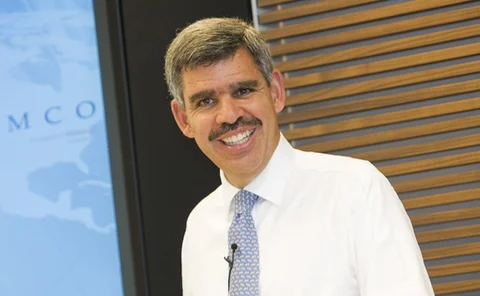
Demands on central banks have created critical juncture – El-Erian
Economist says burden placed on central banks has created economic and political instability across the globe, and something must soon give

ECB minutes show concern over strength of future inflation
Wages growing at historically low rates, ECB council members say

QE may be partly to blame for global market correlations – SNB’s Maechler
Andréa Maechler says quantitative easing may cause some bond and equity prices to move simultaneously, but there are likely other factors at play as well
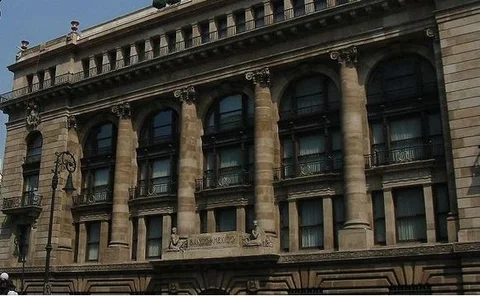
Bank of Mexico hikes following Trump election shock
Peso hit hard by Donald Trump's election victory, with possible US fiscal expansion and Fed rate hike likely to draw more capital from emerging markets, central bank says
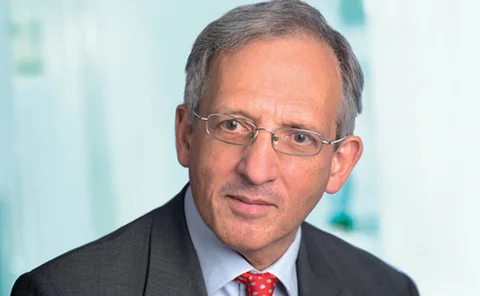
BoE’s Cunliffe: central banks not causing low natural rates
Quantitative easing has not caused rates to fall, but is rather responding to a low natural rate, deputy says; the fall in sterling could require deviation of the policy rate from the natural rate

St Louis Fed chief says election has not changed near-term outlook
Bullard hints at support for “single policy rate increase”; says changes to fiscal and regulatory regimes likely from 2017 and to immigration and trade policy in longer term

BoJ economists seek best escape route from liquidity traps
Some policies are more effective than others, but a combination can generate stronger effects, researchers find