
Financial Stability

Indonesia’s Rochadi: cooperate to fight fakes
Bank Indonesia’s Budi Rochadi says central banks need to exchange knowledge to keep up with counterfeiters

Move beyond price stability: IMF to central banks
Monetary policy not to blame for crisis but International Monetary Fund argues bubbles possible to predict
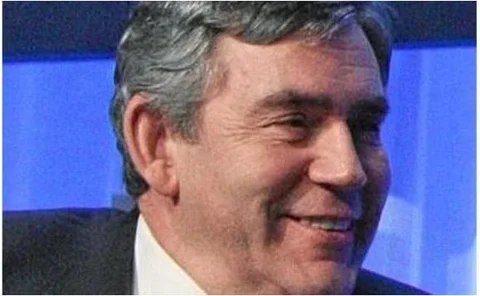
British PM says Tobin tax worth a look
Controversial tax mooted by Britain’s head regulator worth consideration, says Gordon Brown, though problems with tax havens must be solved first

SARB investigated stress testing: Mboweni
South African Reserve Bank’s Tito Mboweni says the central bank looked closely on stress-testing methods used by banks and the central bank

Australian funds hedge half their foreign assets
Reserve Bank of Australia investigates the level of currency hedging by domestic managed funds

One credit register for Europe: Buba’s Zeitler
Bundesbank’s Franz-Christoph Zeitler says Europe needs a unified credit register

Czech’s Tuma: links with stats office key
Czech National Bank’s Zdenek Tuma says central banks and national statistical offices must maintain good cooperative relations
Leaning against the wind not enough: Chile’s De Gregorio
Governor of Central Bank of Chile cites collision between financial and price stability objectives as reason why interest rates cannot be used to burst bubbles
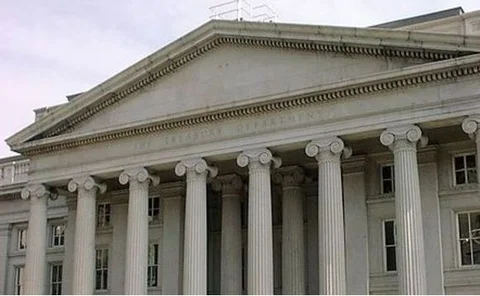
US Treasury ends money market guarantee
The program served its purposes of fomenting stability, and is being retired as the risk of a meltdown has passed, says Treasury secretary Geithner
French banks resilient in crisis but hurdles remain
French banks have weathered the crisis through a diversified model and well-managed risk but many challenges remain, argues research published by the International Monetary Fund
Ireland to spend €77 billion on bad banks
Ireland’s finance minister Brian Lenihan says funds will be split between five institutions

Fed’s Hoenig outlines resolution schema for too-big-to-fail
Kansas City Federal Reserve’s Thomas Hoenig and two economists prepare legal process for failure
Fiscal measures must be taken off central banks’ books: IMF
International Monetary Fund’s executive board wants all quasi-fiscal activity to be moved onto government balance sheets
The real effects of financial risk
Research estimates the magnitude of key effects on the real economy from financial sector stress
Libor spread sinks to pre-crisis levels
Libor-OIS spread for three-month dollar loans retreats to its summer 2007 level as confidence continues to grow
Obstfeld on global monetary reform
Berkeley economist says International Monetary Fund may be right organisation to act as a global lender of last resort
How competition influences bank failures
Bank of Finland uses evidence from Russia to investigate link between competition and failure
Palestine launches hybrid payments system
Palestine Monetary Authority’s new interbank payments system described as development towards statehood

Bank’s Haldane stresses limits of regulation
Rules alone will not be enough to restore trust and spur a full recovery says Bank of England’s executive director for financial stability

Foreign lenders pledge support to Latvia
Four biggest foreign-owned banks in Baltic state agree to prop up branches and subsidiaries
Uribe: restricted FX exposure helped Colombia
Central Bank of Colombia’s José Dario Uribe says the limited exposure of the country’s corporate sector to currency risk sheltered it from Lehman’s collapse
Central bankers must understand financial engineering
Harvard Business School’s Robert Merton says senior management and regulators need a good knowledge of financial engineering
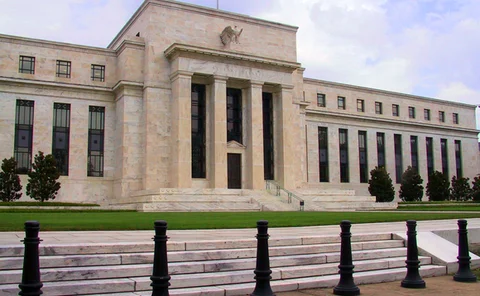
Beige Book cautiously positive
Federal Reserve’s Beige Book suggests economic activity continued to stabilise

Goodhart says regulatory outlook unclear
London School of Economics’s Charles Goodhart says the process of reaching international agreement has become more difficult