
Financial Stability

Chinese ratings agency yanks triple-A ratings from US, UK
China’s Dagong Global saddles developed world safe havens with lower ratings on grounds of inability to repay debt; gives China three notch upgrade to AA+
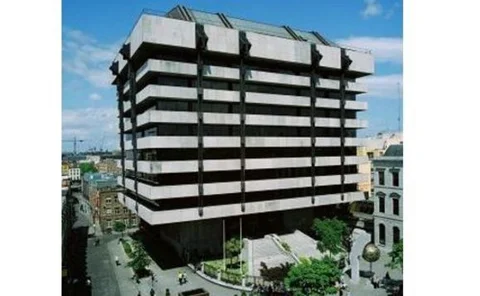
ECB would have refused assets for Anglo loan
Collateral used by Anglo Irish to access central bank funds would not have been accepted by European Central Bank

Bank’s Bailey: creditors must pay for bank bailouts
Bank of England’s Andrew Bailey says idea of using debt restructuring as means to solve too big/ important to fail warrants “serious investigation”

Bank of Canada: Chinese shocks have global bearing
Bank of Canada study shows China’s monetary policy is less effective at weathering shocks and country must be incorporated in global models

Brussels will drain London banking sector: top bankers
HSBC chair Stephen Green warns that European legislation will eradicate London’s competitive edge as a financial centre; says Basel III will curb trade finance

Taiwan’s Perng calls on banks to curb housing boom
Taiwanese central bank governor Perng Fai-nan demands lenders tighten rules in order to stifle exuberance in housing market; real estate loans worth more than half the island’s GDP
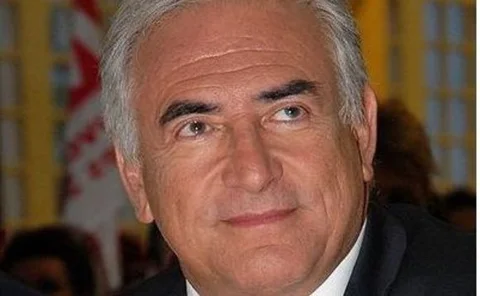
Asia must be “attuned” to prevailing shocks, says Strauss-Kahn
IMF managing director Dominique Strauss-Kahn says Asia’s quick rebound from recession should be followed by policies to counter risk of overheating economies
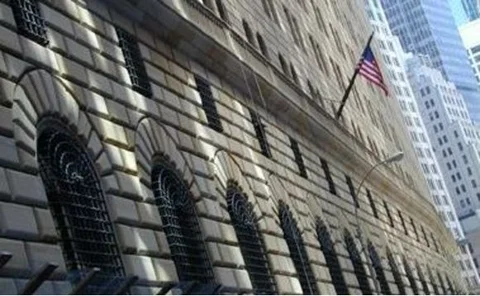
NY Fed attacks article on AIG debacle
New York Fed general counsel Thomas Baxter takes issue with New York Times article which says Fed ignored advice from advisers on AIG counterparty CDS issue
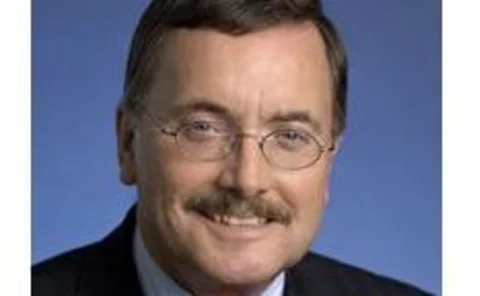
Monetary aggregates remain about price, not financial, stability: ECB’s Stark
ECB Executive Board member Jürgen Stark says critics-cum-champions of monetary analysis are wrong once more about the true purpose

Atlanta Fed: Annual Report (2009)
Atlanta Federal Reserve Annual Report shows southeastern states hit hardest during financial crisis after boom in community banking

Trichet: Reforms must keep an eye on financial markets
ECB president Jean-Claude Trichet outlines four main areas of reform in the financial sector where there is further room for improvements
NY Fed: Shadow banks should not be kept in the dark
New York Federal Reserve study says permanent access to funding facilities for shadow banks should be considered following credit market strains

Botswana’s Mohohlo lauds accountants
Bank of Botswana governor Linah Mohohlo says accountants more than just number crunchers, pointing to expanding and evolving roles; outlines efforts in restoring good governance standards

Four risks to growth: Atlanta Fed’s Lockhart
Atlanta Federal Reserve president Dennis Lockhart counts Gulf of Mexico oil spill and commercial real estate sector risks among imminent threats to growth

Europe hikes capital rules, slashes banker bonuses
Legislation adopted by European Parliament requires banks hold up to four times more capital to protect against trading risk; half of bankers’ bonuses to be paid in contingent capital

Cebs unveils details of EU stress tests
Committee of European Banking Supervisors names 91 banks that will be subject to stress tests; vague on methodology

ECB bond purchase effect wearing off, warns IMF
Fund cautions that stability risks are on the rise again as effect of European Central Bank’s foray into bond markets loses bite; southern eurozone to face refinancing contest with US, UK and Japan

Gold should form an essential part of central banks’ liquidity portfolio
The credit crisis has highlighted that in times of turmoil, gold is one of the few assets that remains liquid, says Natalie Dempster, director of government affairs at the World Gold Council

BIS: currency collapses benefit output growth
Bank for International Settlements study on currency collapses finds devaluation helps growth in the long run, rather than dampening it

Ireland’s bad bank forced to slash profit forecast
Ireland’s National Asset Management Agency says €4.8 billion profit estimate was based on exaggerated figures from banks; chairman Frank Daly “disappointed and disturbed” by banks’ distortion
Differing sovereign debt haircuts to be included in EU stress tests: reports
Reports quote German banking officials as saying that extreme scenarios will apply steep haircuts to PIIGS sovereign debt, but none to bunds or French paper

Azerbaijan to move to DSGE model
National Bank of Azerbaijan will switch to consolidated DSGE framework by year-end; deputy research director says model valued for overall coherence and ability to factor in irrational behaviour

National Bank of Slovakia – Monthly Bulletin (May)
Monthly Bulletin shows economic recovery remains on a steady path in Slovakia

Protests at Icelandic central bank on car loan rules
Several hundred demonstrators congregate around central bank in peaceful protest against delinking of car loans from foreign currency exchange rates; rule change could see up to 10% of Icelanders hit with higher repayments