
Spillovers

The turmoil test for emerging and advanced economies
Greater integration between advanced and emerging market economies during globalisation has made both more susceptible to risk of spillover – financial contagion and volatility. As the US continues to normalise its monetary policy, deputy governor of…

BIS to launch ‘innovation hub’ – Carstens
New medium-term strategy focuses on technology and other innovations
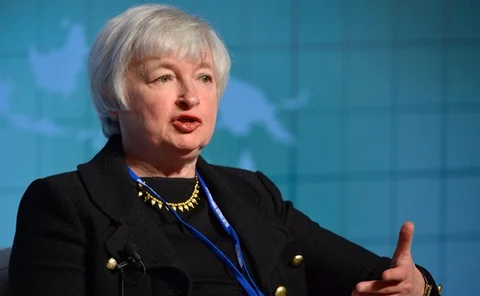
Fed must account for spillovers of monetary policy – Yellen
Janet Yellen reflects on Fed monetary policy and “treacherous” currency manipulation in Brookings podcast

Advanced economies suffer greater spillovers – BIS research
Study examines extent to which various central banks cause and suffer policy spillovers

Riksbank urges introduction of 5% leverage ratio
Sweden’s central bank sounds the alarm to fellow supervisor, urging action as housing market uncertainties begin to threaten financial stability

RBI steps in to tackle liquidity crunch
Central bank steps up market operations as financial markets wobble

Monetary policies spill over to currencies, BIS paper says
Paper examines impact of multiple monetary policies on cross-border bank lending

Foreign monetary policy affects French and Italian lending – researchers
US policy especially significant, Banque de France paper finds

Ghana under pressure from Fed hikes – governor Addison
US policy normalisation sends Ghana’s inflation into double figures while the currency falters

Fed policy’s global effects differ in booms and busts – BIS paper
Monetary policy appears to impact global bank lending differently depending on the “regime”

Central bank digital currency of no benefit to financial stability – RBNZ research
CBDC could make New Zealand’s banking sector more susceptible to spillovers
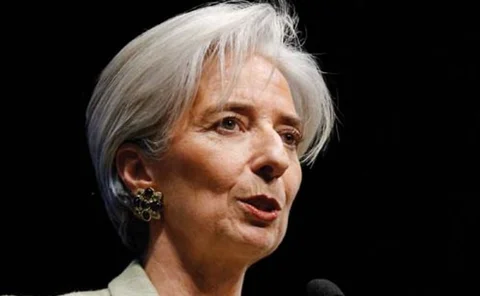
Trump’s fiscal policy threatens emerging markets – Lagarde
Looser fiscal policy could increase market volatility and worsen global imbalances- IMF chief

BIS report urges tighter global macro-pru co-ordination
Deputy general manager says global institutions could do more to promote co-ordination between advanced economies and “systemic middle-income countries”

Balance sheet features impact global spillovers – NY Fed paper
International research effort finds banks’ business models affect the extent to which policy spills across borders

Tajikistan cuts policy rate as inflation stabilises
Central bank says inflation is more stable and falling, creating room for cuts

BoE not to blame for gold standard-era crises in US – paper
Bank of England’s rate decisions between 1884 and 1913 were not responsible for “causing or aggravating” crises in the US, author finds
Global uncertainty increases financial interconnections – paper
Researchers use a network approach to evaluate financial interconnectedness
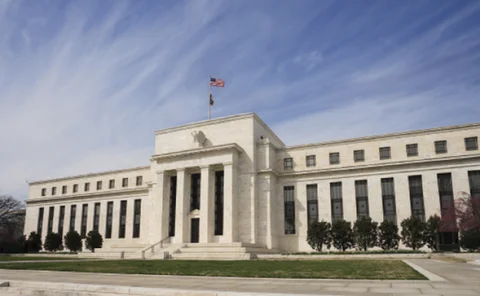
Fed paper examines financial spillovers of US monetary policy
Authors find that conventional and unconventional policies create different spillover effects

‘Intensified’ tax competition will affect euro area – research
Latest ECB bulletin shows “possible erosion of tax bases” in the EU, after recent US tax reforms

Misinterpreting commodity price swings can be damaging – BIS paper
Whether movements are down to supply shocks or changes in global demand matters for policy, and mistakes can be procyclical when central banks act together

Stifling cross-border banking hurts developing countries – World Bank
World Bank offers advice on successful cross-border banking but warns developing countries against over-reliance

NY Fed paper estimates US contagion risks
Authors design a network model incorporating non-banks to estimate how the risk of a “default cascade” has changed over time

Paper examines EM response to global liquidity shocks
Emerging markets reduce rates and increase reserves in the face of positive liquidity shocks

A new era for the BIS
As Basel III inches towards closure and a new BIS general manager prepares to move into his post, Jaime Caruana talks to Daniel Hinge about his eight years at the helm