
Regulation

A fireside chat with BIS head Agustín Carstens
The lifetime achievement award-winner speaks with Chris Jeffery about how experiencing inflation shaped his career, gaps in economic theory and macro-pru governance, the future of money and the importance of international co-operation
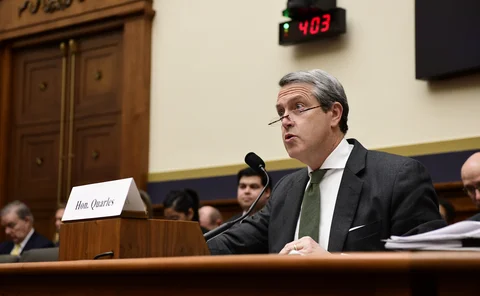
Quarles to lead review of FSB monitoring
Appointment of former Fed vice-chair reflects shift in focus for global body

Instant payment system adoption grows 16.5% year on year
Most central banks either have a system or plan to launch one
Near-24/7 RTGS systems more susceptible to outages
Central banks with longest uptime also report highest number of contingency sites
Most RTGS systems projected for upgrade within a year
Two in three RTGSs operating 13–16 hours daily to be upgraded within a year
Budget and RTGS operating expenses rise year on year
Share of central banks charging both fixed and varied fees for RTGS access grows

High profits to cushion against bank losses – Danish central bank
Lenders in good position to deal with tariff turmoil, says National Bank of Denmark
Most central banks operate RTGS seven to 12 hours daily
Respondents processed over $6 trillion via system in 2024

Hungarian central bank launches anti-cyber fraud campaign
Governor announces five-step campaign to counteract increasing prevalence of scams

A fractured monetary system
US policy is encouraging a transition away from a dollar-led, rules-based order
Number of non-banks with RTGS access rises year on year
Middle income central banks account for largest number of connections
Half of retail payment sectors saw diversification last year
Changes include regulations, technology and rate of participation
Two-fifths of central banks leave payment fees unregulated
Middle income institutions more likely to regulate prices than other respondents

Fed agrees to unveil stress test models in transparency U-turn
US regulator commits to September 30 deadline for new measures

BIS’s Restoy sees scope for improvement in EU regulations
FSI chair backs review of whether current framework imposes excessive compliance costs on banks
Larger teams more likely to oversee payments networks
Most central banks have general mandate to safeguard all payment systems

Trust allows ‘decisive’ policy action – Carstens
BIS general manager says more work is needed to secure trust in financial stability and fiscal policy
Quarter of payments departments report resourcing issues
Average number of FTE employees increases year on year to 40

Leverage ratio reform: the good, the bad and the Treasury
A simple cut would be less likely to stoke interest rate risk than exempting US government bonds

Auditors need to make friends and influence people – DNB official
Olaf Sleijpen says central banks’ internal referees need to improve their comms and people skills

Maurice Obstfeld on the trade war’s damage to the monetary system
The former IMF chief economist speaks about Trump’s chaotic economic policies, the erosion of Fed independence and dollar stability, difficult policy trade-offs for central banks, and the threat to the Bretton Woods institutions

ECB says tariff shocks ‘continue to reverberate’
Stability review says risk of slowdown has “increased markedly”, though banks are better placed than in 2008

Mr Bessent goes to Basel: the fate of global bank regulation
US resistance to international standards could spark greater fragmentation of prudential rules

Fed’s SLR reform must address interest rate risks – experts
Planned change receives support from some, but others warn of slippery slope to excessive deregulation