

Chinese regulators impose fines on Ant Group and Tenpay
Regulators’ priorities have now shifted to “normalised supervision” of platform companies
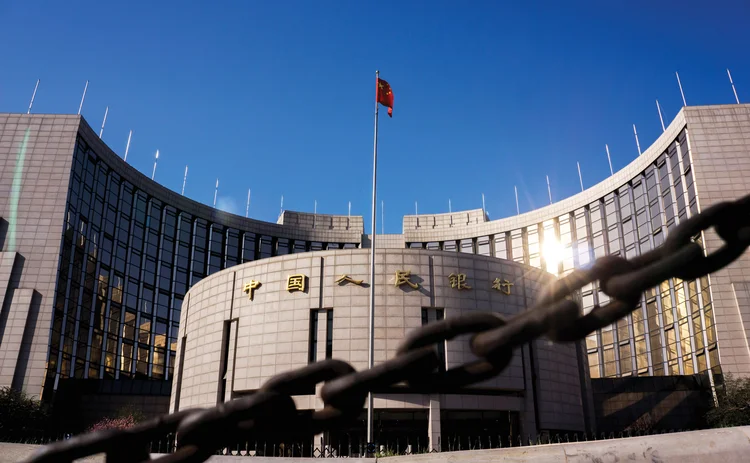
China’s financial regulators imposed large fines on several fintech companies including Ant Group and Tenpay, sending a signal that they are winding up a years-long overhaul of online platforms.
Regulators fined Ant Group and its subsidiaries 7.1 billion yuan ($984 million), the People’s Bank of China, China Securities Regulatory Commission and the National Financial Regulatory Administration said in a joint statement on July 7.
The fine was related to violations of laws and regulations in
Only users who have a paid subscription or are part of a corporate subscription are able to print or copy content.
To access these options, along with all other subscription benefits, please contact info@centralbanking.com or view our subscription options here: www.centralbanking.com/subscriptions
You are currently unable to print this content. Please contact info@centralbanking.com to find out more.
You are currently unable to copy this content. Please contact info@centralbanking.com to find out more.
Copyright Infopro Digital Limited. All rights reserved.
As outlined in our terms and conditions, https://www.infopro-digital.com/terms-and-conditions/subscriptions/ (point 2.4), printing is limited to a single copy.
If you would like to purchase additional rights please email info@centralbanking.com
Copyright Infopro Digital Limited. All rights reserved.
You may share this content using our article tools. As outlined in our terms and conditions, https://www.infopro-digital.com/terms-and-conditions/subscriptions/ (clause 2.4), an Authorised User may only make one copy of the materials for their own personal use. You must also comply with the restrictions in clause 2.5.
If you would like to purchase additional rights please email info@centralbanking.com
More on Regulation

Imminent US shake-up of LCR slated to include discount window
Adding Fed liquidity facility to bank regulation may help overcome stigma, raise lending capacity

UK FCA to investigate itself after whistleblower died by suicide
Regulator appoints ex-BoE official to examine procedures as it faces criticism from former staff

Permanent FRTB reforms seen as vital for IMA adoption
Temporary relief granted in June has done little to encourage internal model use in Europe

EU central banks want more sovereign bonds in stablecoin reserves
Micar review proposals include severing crypto interdependence with rival banks

Regulators better prepared for next Credit Suisse, says SRB head
FSB strengthening guidance on international co-operation, but EU needs more mutual support

US Clarity Act fails again in Senate
Democrats win over Republicans to oppose Trump-backed crypto bill

From Pillar to Pillar… to post: where now for op risk in Europe?
Experts think enhanced Pillar 2 charge informed by Dora would be more useful than a blunt Pillar 1

PRA struggles to follow Fed’s FRTB modelling moves
Market risk experts say minor differences in US rules add up to more incentives for IMA adoption