

PBoC’s Pan calls for ‘meaningful’ IMF quota adjustments
Governor says global economy needs more co-operation amid heightened uncertainty
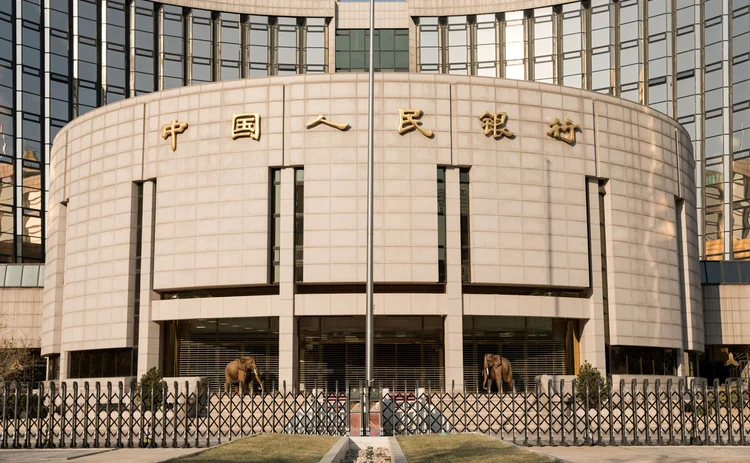
The governor of China’s central bank has called on the International Monetary Fund to make “meaningful quota adjustments” as soon as possible to safeguard the institution’s credibility.
During a speech at the IMF’s annual meetings last week, People’s Bank of China governor Pan Gongsheng said the IMF was a global safety net and that pursuing quota reform would be crucial for enhancing its legitimacy, effectiveness, and representativeness, according to a statement published October 18. Pan said
Only users who have a paid subscription or are part of a corporate subscription are able to print or copy content.
To access these options, along with all other subscription benefits, please contact info@centralbanking.com or view our subscription options here: www.centralbanking.com/subscriptions
You are currently unable to print this content. Please contact info@centralbanking.com to find out more.
You are currently unable to copy this content. Please contact info@centralbanking.com to find out more.
Copyright Infopro Digital Limited. All rights reserved.
As outlined in our terms and conditions, https://www.infopro-digital.com/terms-and-conditions/subscriptions/ (point 2.4), printing is limited to a single copy.
If you would like to purchase additional rights please email info@centralbanking.com
Copyright Infopro Digital Limited. All rights reserved.
You may share this content using our article tools. As outlined in our terms and conditions, https://www.infopro-digital.com/terms-and-conditions/subscriptions/ (clause 2.4), an Authorised User may only make one copy of the materials for their own personal use. You must also comply with the restrictions in clause 2.5.
If you would like to purchase additional rights please email info@centralbanking.com
More on Macroeconomics

Rising advanced economy debt will push up rates in emerging markets
Rising public debt burdens are spilling across borders, and the effect may become stronger

De-dollarisation no guarantee of EM policy autonomy – study
Sarb paper argues sound domestic fundamentals are more crucial than lowering dollar usage

Sticky wages help explain depressed US sentiment – paper
Lack of salary indexation, rather than inflation, to blame for decline in sentiment, authors find

Yield curve data can improve estimates of r* – IMF paper
Results suggest r* has risen and help explain ‘soft landings’ after inflation surge

Strained public finances may trigger ‘great repression’ – paper
IMF study of a century of data on financial repression finds the tactic is tempting governments again

FX controls have minimal impact on stablecoin dollarisation – study
BIS working paper argues that growing use of crypto assets presents policy challenges for EDMEs

IMF’s Gourinchas argues ‘middle powers’ can heal global trade
Co-operation by mid-sized economies could bring hegemons to table, chief economist says

Economists find ‘strong and stable’ Phillips curve in China
Past studies had struggled to pin down a clear link between inflation and output in the economy