

Differences are a strength of Fed strategy: Kohn
Speaking in New Orleans on Saturday, Kohn said: "Because the situation has been so fluid and so uncertain in its effects, the speeches of individual FOMC participants have given varied interpretations of the developments and their implications for policy
Only users who have a paid subscription or are part of a corporate subscription are able to print or copy content.
To access these options, along with all other subscription benefits, please contact info@centralbanking.com or view our subscription options here: www.centralbanking.com/subscriptions
You are currently unable to print this content. Please contact info@centralbanking.com to find out more.
You are currently unable to copy this content. Please contact info@centralbanking.com to find out more.
Copyright Infopro Digital Limited. All rights reserved.
As outlined in our terms and conditions, https://www.infopro-digital.com/terms-and-conditions/subscriptions/ (point 2.4), printing is limited to a single copy.
If you would like to purchase additional rights please email info@centralbanking.com
Copyright Infopro Digital Limited. All rights reserved.
You may share this content using our article tools. As outlined in our terms and conditions, https://www.infopro-digital.com/terms-and-conditions/subscriptions/ (clause 2.4), an Authorised User may only make one copy of the materials for their own personal use. You must also comply with the restrictions in clause 2.5.
If you would like to purchase additional rights please email info@centralbanking.com
More on Financial Stability

Book notes: The unanchored central banker, by Manoj Pradhan and Charles Goodhart
A book sparkling with provocative opinions that challenges readers to rethink central banking amid evolving macro trends
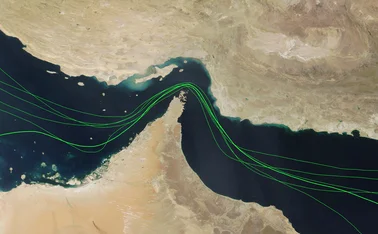
Strait of Hormuz is top barometer of supply stress – BIS study
Impact of traffic disruption through other waterways neither as consistent nor as global

Regulatory risk aversion contributed to SVB failure – Bowman
Supervisors ‘knew, or should have known’ about risks a year before bank’s collapse, says Fed vice-chair

IMF reaches staff-level agreement with Zimbabwe
Country still needs to strengthen governance and restore debt sustainability, fund says

ADB offers $5bn to alleviate energy and fertiliser crisis
Institution says funds will be delivered on selective and demand-driven basis

Naji Issa on Libya’s reform efforts and why he threatened to quit
The CBL governor speaks about the need for national unity, fiscal responsibility, digital transformation and FX reforms

Europe’s growth obstacles are of ‘our own making’, Elderson says
ECB board member warns diverging national interests may hurt continent’s future

Bailey warns AI could crash global financial system
FSB chief warns of cyber security risks and threats from leveraged investments in technology