

‘Hybrid’ regimes more exposed to sanctions – BdF study
Measures more likely to succeed against authoritarian states with an element of democratisation
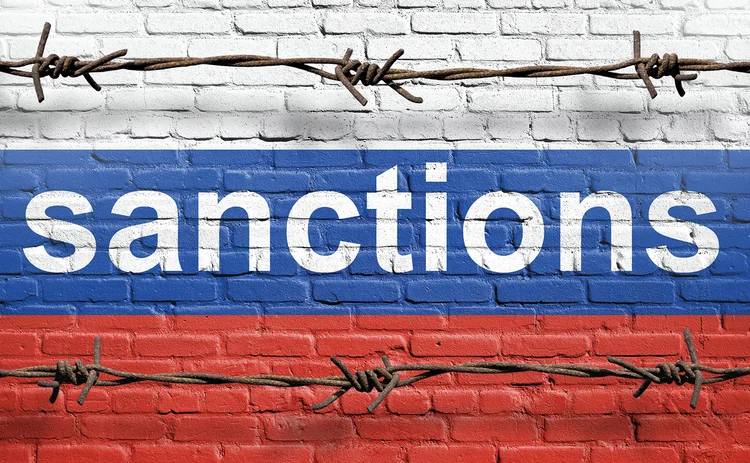
“Hybrid” regimes are less equipped than fully fledged autocracies to withstand the hardship resulting from externally imposed economic restrictions, a new bulletin by the Banque de France has said.
The study, released on July 29, says hybrid regimes – which are broadly authoritarian, but contain elements of democratisation – behave differently than their authoritarian counterparts under sanctions. The authors – Clara Portela and Juan Mora-Sanguinetti – explain that, by comparison with closed
Only users who have a paid subscription or are part of a corporate subscription are able to print or copy content.
To access these options, along with all other subscription benefits, please contact info@centralbanking.com or view our subscription options here: www.centralbanking.com/subscriptions
You are currently unable to print this content. Please contact info@centralbanking.com to find out more.
You are currently unable to copy this content. Please contact info@centralbanking.com to find out more.
Copyright Infopro Digital Limited. All rights reserved.
As outlined in our terms and conditions, https://www.infopro-digital.com/terms-and-conditions/subscriptions/ (point 2.4), printing is limited to a single copy.
If you would like to purchase additional rights please email info@centralbanking.com
Copyright Infopro Digital Limited. All rights reserved.
You may share this content using our article tools. As outlined in our terms and conditions, https://www.infopro-digital.com/terms-and-conditions/subscriptions/ (clause 2.4), an Authorised User may only make one copy of the materials for their own personal use. You must also comply with the restrictions in clause 2.5.
If you would like to purchase additional rights please email info@centralbanking.com
More on Global

Political conflict triggers decline in investment – study
Bank of Spain paper examines impact of polarisation and gridlock on major economies

Energy shock causing limited economic harm – study
Belgian central bank blog warns current buffers may fail to keep global economy afloat if Iran war continues

Lagarde ‘ready to serve’ as WEF head – Swiss media
ECB chief is reportedly founder’s top pick, but board divisions could put her election at risk

Bailey warns of threats from populism
BoE governor says institutions ‘have to challenge back’ against attempts to breed distrust

US official outlines expanded role for poorer nations at IMF
Shambaugh discusses quota reform and new officials for developing countries
MAS’s Tharman urges investor action on global instability
War, stagflation risk, climate crisis, pandemic and uneven growth create “perfect long storm”

Consumer prices reach 30-year high in Canada
Wage increases fall below prices as consumers' inflation expectations reach record highs

IMF raises caps on loans to poorer countries
Reforms also provide new funding to anti-poverty trust