Philippines’ Marcos pledges SWF will still go ahead
Government puts implementation rules on hold, but president says it will open by year’s end
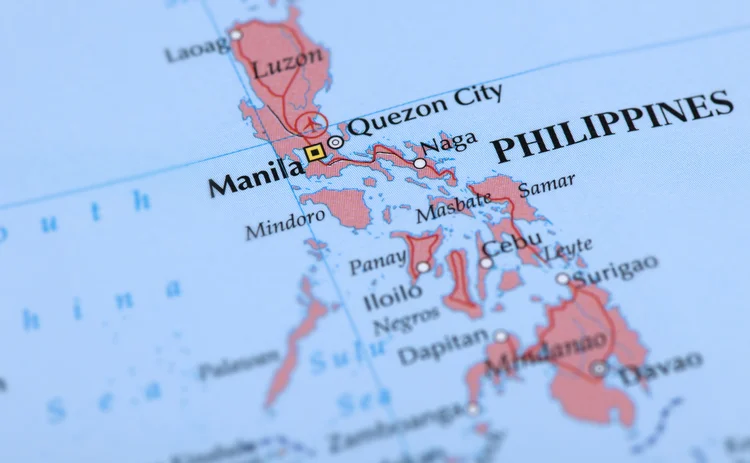
Philippines president Ferdinand Marcos said today (October 19) that his administration is still committed to launching the country’s sovereign wealth fund by the end of the year.
Marcos made the comment a day after news broke that he had suspended the implementation of the law creating the Maharlika Investment Fund. That move comes amid concerns that two state-owned banks may struggle to provide their mandated contributions to Maharlika’s capital.
A memorandum signed by his executive secretary Lucas Bersamin released on Wednesday showed Marcos had suspended the law he signed in July, citing the need for further study.
Speaking in a speech today, Marcos said he was “a bit alarmed” by the news the government has put the fund on hold.
“The concept of the Maharlika fund as a sovereign fund remains a good one and we are still committed to having it operational before the end of the year,” he said.
Marcos said the government is only aiming to make improvements “specifically to the organisational structure” of the fund.
“We should not misinterpret what we have done as somehow a judgement on the rightness or wrongness of the Maharlika fund. On the contrary, we are just finding ways to make it as close to perfect and ideal as possible,” he said.
Marcos said he was planning to introduce the wealth fund to Middle Eastern countries when he attends the Asean-Gulf Cooperation Council Summit in Saudi Arabia on October 20.
In a memorandum dated October 12, Bersamin said the president directed the treasurer of the Philippines, in co-ordination with the state-owned Land Bank of the Philippines (LBP) and the Development Bank of the Philippines (DBP), to suspend the implementation of the law creating the wealth fund.
The president wanted to study the implementing rules and regulations carefully to ensure there are enough safeguards for transparency and accountability, according to Bersamin.
Governance and seed capital concerns
The Philippine government said the fund will help drive the country’s economic development by investing in important areas such as infrastructure and agriculture. But critics, including economists, opposition politicians and business groups, worry that the fund could lead to corruption.
Under the new law, a corporate body called Maharlika Investment Corporation (MIC) will be set up to manage the fund.
The finance secretary – currently Benjamin Diokno, a former central bank governor – will chair the nine-member board of the MIC. The board will also include the MIC chief executive officer, the LBP and DBP chief executives, two regular directors and three independent directors from the private sector. The CEO, regular directors and independent directors of the MIC will all be appointed by the president, who also appoints the finance secretary. Marcos has yet to announce the names of the board members.
The new fund will have an initial capital of 500 billion pesos ($8.79 billion), with the national government, central bank and other state agencies contributing seed money. The Central Bank of the Philippines (BSP) will contribute all its dividends to the fund in the first two years, with the total amount not exceeding 50 billion pesos ($879 million). Other start-up funds will come from government-owned gaming operators, and proceeds from royalties and the sale of government assets.
The LBP must inject 50 billion pesos to the fund, while the DBP must contribute 25 billion pesos. Some fear that drawing capital from the state banks could risk destabilising the institutions.
On Oct 11, Marcos approved an executive order that has exempted the LBP from remitting 50% of its annual net earnings for 2022. Under the law, all government-owned or controlled corporations are required to declare and remit 50% of their annual net earnings to the government. The decision is aimed at supporting the bank’s capital position and helping it meet the central bank’s capital requirements, the executive order said.
Meanwhile, both the LBP and DPB have requested “regulatory relief” from the BSP’s capital requirements, news site Rappler reported on October 13. The central bank requires large banks such as the LBP and the DBP to have a capital adequacy ratio of 10%.
DBP president and chief executive Michael de Jesus said the bank “would breach” the capital requirements after remitting its contribution to the wealth fund, thereby risking penalties and sanctions. The bank was seeking relief, so that its contribution to the fund would still be computed as part of its capital, he said.
Only users who have a paid subscription or are part of a corporate subscription are able to print or copy content.
To access these options, along with all other subscription benefits, please contact info@centralbanking.com or view our subscription options here: www.centralbanking.com/subscriptions
You are currently unable to print this content. Please contact info@centralbanking.com to find out more.
You are currently unable to copy this content. Please contact info@centralbanking.com to find out more.
Copyright Infopro Digital Limited. All rights reserved.
As outlined in our terms and conditions, https://www.infopro-digital.com/terms-and-conditions/subscriptions/ (point 2.4), printing is limited to a single copy.
If you would like to purchase additional rights please email info@centralbanking.com
Copyright Infopro Digital Limited. All rights reserved.
You may share this content using our article tools. As outlined in our terms and conditions, https://www.infopro-digital.com/terms-and-conditions/subscriptions/ (clause 2.4), an Authorised User may only make one copy of the materials for their own personal use. You must also comply with the restrictions in clause 2.5.
If you would like to purchase additional rights please email info@centralbanking.com