

Bahamas further relaxes capital controls
Specific sectors of the economy will be able to obtain foreign exchange from banks both at home and abroad

The Central Bank of the Bahamas has relaxed some of its capital controls, allowing domestic companies in certain industries to access foreign currency for investment purposes.
In a statement released on March 29, the central bank said these “liberalisations” will become operational on April 24.
“Selected categories of Bahamian-owned businesses with either broad foreign exchange earning potential or that are engaged in activities that promote national development goals, will be able to obtain
Only users who have a paid subscription or are part of a corporate subscription are able to print or copy content.
To access these options, along with all other subscription benefits, please contact info@centralbanking.com or view our subscription options here: www.centralbanking.com/subscriptions
You are currently unable to print this content. Please contact info@centralbanking.com to find out more.
You are currently unable to copy this content. Please contact info@centralbanking.com to find out more.
Copyright Infopro Digital Limited. All rights reserved.
As outlined in our terms and conditions, https://www.infopro-digital.com/terms-and-conditions/subscriptions/ (point 2.4), printing is limited to a single copy.
If you would like to purchase additional rights please email info@centralbanking.com
Copyright Infopro Digital Limited. All rights reserved.
You may share this content using our article tools. As outlined in our terms and conditions, https://www.infopro-digital.com/terms-and-conditions/subscriptions/ (clause 2.4), an Authorised User may only make one copy of the materials for their own personal use. You must also comply with the restrictions in clause 2.5.
If you would like to purchase additional rights please email info@centralbanking.com
More on Foreign Exchange

Syria clamps down on unlicensed exchange and transfer activity
Central bank and interior ministry issue 755 warnings following field inspections

Philippines’ FX reserves fall to three-year low
BSP says levels sufficient following period of currency interventions and devaluations

Pacific series: PNG’s governor on 40 years at the central bank and her plans for its future
Elizabeth Genia speaks about reaching remote communities, FX, green finance and leadership
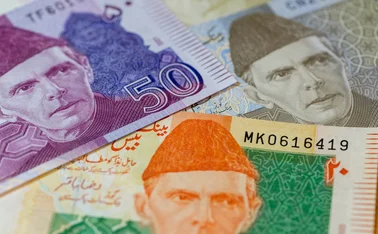
Pakistan to offer cash prizes to boost remittance flows
Eligible beneficiaries of remittances will be entered into lottery-style draw

Washington is guarding against the wrong dollar threat
Brics nations did not launch a common currency in New Delhi. The payment networks they are building may matter more
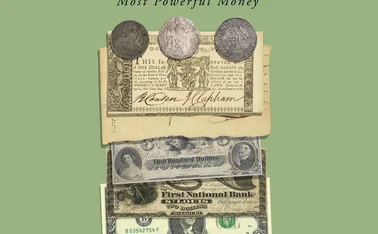
Book notes: The almighty dollar, by Brendan Greeley
The history of the currency that came to be ‘the dollar’ is the centrepiece in an otherwise confused book

Joint US-Japan FX intervention could advance BoJ tightening
Experts say tighter policy needed to lock in yen gains over the long term

BoJ holds as yen and won both rise on suspected interventions
Japan’s central bank more hawkish than at previous meetings as it keeps rates at 1%