

Fed considering tools to help flow of reserves in the system
Remarks are some of the most detailed Jerome Powell has made on financial plumbing issues
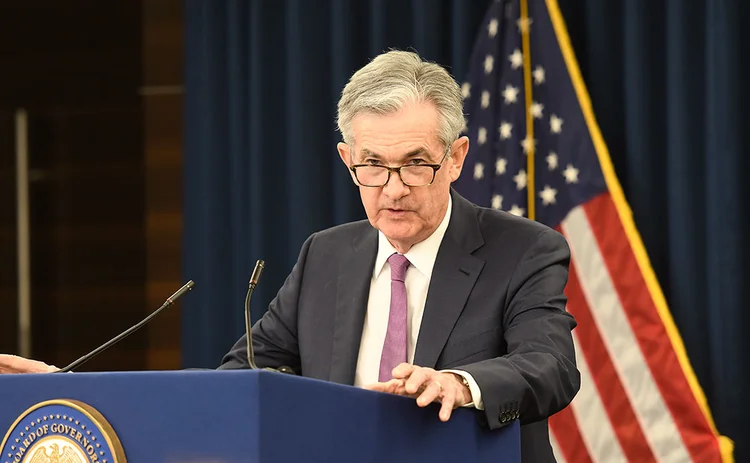
The Federal Reserve is considering making adjustments to its operating framework that could improve the flow of reserves in the system, chairman Jerome Powell said on October 30.
The Fed is looking at reintroducing a version of intraday liquidity measures, or “daylight overdrafts”, in response to last month’s liquidity episode, Powell said during the rate decision press conference.
In addition, the chair said, there are a few other “technical things” that the Fed is considering to allow cash
Only users who have a paid subscription or are part of a corporate subscription are able to print or copy content.
To access these options, along with all other subscription benefits, please contact info@centralbanking.com or view our subscription options here: www.centralbanking.com/subscriptions
You are currently unable to print this content. Please contact info@centralbanking.com to find out more.
You are currently unable to copy this content. Please contact info@centralbanking.com to find out more.
Copyright Infopro Digital Limited. All rights reserved.
As outlined in our terms and conditions, https://www.infopro-digital.com/terms-and-conditions/subscriptions/ (point 2.4), printing is limited to a single copy.
If you would like to purchase additional rights please email info@centralbanking.com
Copyright Infopro Digital Limited. All rights reserved.
You may share this content using our article tools. As outlined in our terms and conditions, https://www.infopro-digital.com/terms-and-conditions/subscriptions/ (clause 2.4), an Authorised User may only make one copy of the materials for their own personal use. You must also comply with the restrictions in clause 2.5.
If you would like to purchase additional rights please email info@centralbanking.com
More on Operating framework

Claudio Borio calls for revised monetary frameworks
Former BIS economist says central banks should tolerate mild deflation and aim for ‘nimbleness’

MNB seeks closer alignment with ECB, lowers inflation target
Monetary policy decisions will also be reduced from 12 to eight each year from 2027

Relying on ECB to fight inflation ‘no longer viable’ – paper
Researchers argue EU should co-ordinate with central bank to tackle ‘shockflation’

Repos key to post‑Covid balance sheet reduction – RBNZ
Assistant governor says further repo growth will support monetary policy, liquidity, capital markets

Waller steps up to the plate with rationale for rate setting
Fed governor compares himself to baseball umpire and says data will determine his next FOMC vote

Ample reserves can yield highest welfare – BoE paper
Central banks face trade-off between financial stability and resource misallocation, author says

Reconsidering the role of money in monetary policy
Euro policy architect Otmar Issing argues that central banks must improve their flawed inflation targeting frameworks

EU banks shrug off mooted minimum reserves increase
Doubling of unremunerated reserves would curb Eurosystem losses, but banks doubt it will pass