

BCU’s comms strategy helped tame inflation, says Tolosa
Uruguayan governor says expectations are anchored for first time in 20 years
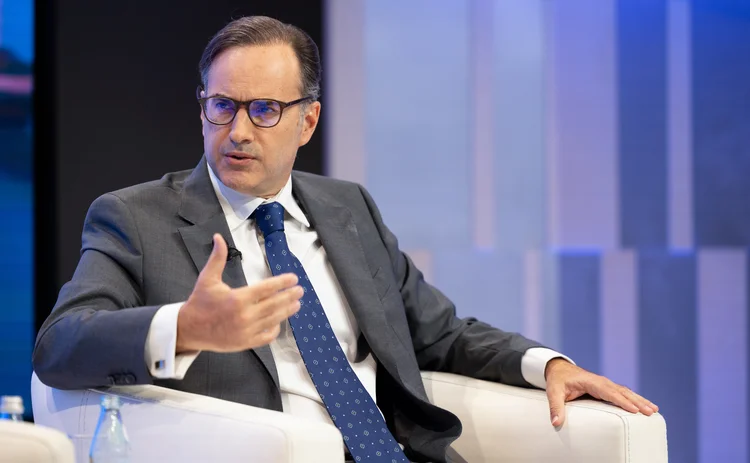
An overhaul in communications at the Central Bank of Uruguay (BCU) has helped rein in inflation and strengthened the institution’s credibility, its governor has said.
Addressing the International Monetary Fund’s Spring Meetings in Washington on April 14, Guillermo Tolosa said the bank “realised that communication had to be at the centre of the strategy”.
He added that the bank had been “very decisive” in hiking rates in the face of a depreciating peso at his first monetary policy meeting as
Only users who have a paid subscription or are part of a corporate subscription are able to print or copy content.
To access these options, along with all other subscription benefits, please contact info@centralbanking.com or view our subscription options here: www.centralbanking.com/subscriptions
You are currently unable to print this content. Please contact info@centralbanking.com to find out more.
You are currently unable to copy this content. Please contact info@centralbanking.com to find out more.
Copyright Infopro Digital Limited. All rights reserved.
As outlined in our terms and conditions, https://www.infopro-digital.com/terms-and-conditions/subscriptions/ (point 2.4), printing is limited to a single copy.
If you would like to purchase additional rights please email info@centralbanking.com
Copyright Infopro Digital Limited. All rights reserved.
You may share this content using our article tools. As outlined in our terms and conditions, https://www.infopro-digital.com/terms-and-conditions/subscriptions/ (clause 2.4), an Authorised User may only make one copy of the materials for their own personal use. You must also comply with the restrictions in clause 2.5.
If you would like to purchase additional rights please email info@centralbanking.com
More on Communication
Now more important that inflation does not exceed target – Ueda
Reports say Japan’s central bank is preparing to state that price growth has hit 2%
Fed should avoid communicating without a framework – Musalem
St Louis Fed president outlines his preferred view of monetary policy comms

BoJ minutes show calls for faster rate hikes
Board member said focus of monetary policy had shifted towards capping price rises at June meeting

BoE using LLM to review meeting minutes
Bailey says he has “mixed feelings” about use of AI in communications

SNB’s hikes swing expectations, but its cuts do not – study
Swiss households respond to tightening and holding, but loosening fails to shift views

Bessent believes BoJ will act in support of yen
‘I have information that the market doesn’t have,’ US Treasury secretary says
Warsh declines to outline Fed’s reaction function
Chair tells Jackson Hole that ‘humble, never naïve’ approach will work and assesses US economy

Will Kevin Warsh’s communications gambit pay off?
Fed chair believes less is more with comms, but experts say time is ticking on his credibility