

Sarb triumphs over public protector in latest ruling
Mkhwebane ordered to pay opponents’ legal costs as judge rules investigation was “unacceptable”

South Africa’s high court has ruled against the nation’s public protector, Busisiwe Mkhwebane, dismissing portions of a report that found Absa Bank owed the government R1.25 billion ($107 million) and concluding a long-running stand-off with the central bank.
In a final ruling held at North Gauteng High Court in Pretoria on February 16, judge Cynthia Pretorius found Mkhwebane’s report to be biased, deeming her remedial action unlawful while ordering her to personally pay some of her opponents’
Only users who have a paid subscription or are part of a corporate subscription are able to print or copy content.
To access these options, along with all other subscription benefits, please contact info@centralbanking.com or view our subscription options here: www.centralbanking.com/subscriptions
You are currently unable to print this content. Please contact info@centralbanking.com to find out more.
You are currently unable to copy this content. Please contact info@centralbanking.com to find out more.
Copyright Infopro Digital Limited. All rights reserved.
As outlined in our terms and conditions, https://www.infopro-digital.com/terms-and-conditions/subscriptions/ (point 2.4), printing is limited to a single copy.
If you would like to purchase additional rights please email info@centralbanking.com
Copyright Infopro Digital Limited. All rights reserved.
You may share this content using our article tools. As outlined in our terms and conditions, https://www.infopro-digital.com/terms-and-conditions/subscriptions/ (clause 2.4), an Authorised User may only make one copy of the materials for their own personal use. You must also comply with the restrictions in clause 2.5.
If you would like to purchase additional rights please email info@centralbanking.com
More on Accountability
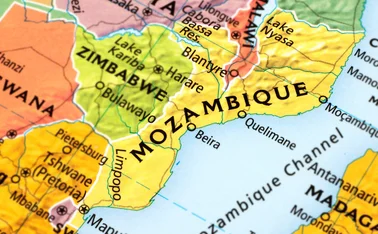
Mozambique’s ‘debt scandal’ casts shadow over governor appointment
Activist says president’s U-turn is likely to have been prompted by public outcry

Japanese government stresses importance of BoJ independence
Ministers’ comments come after 10-year JGB yields spike to near 30-year highs

Investigation of Bangladesh Bank ex-governors continues
Anti-corruption watchdog reviews central bank documents amid probe into alleged misconduct
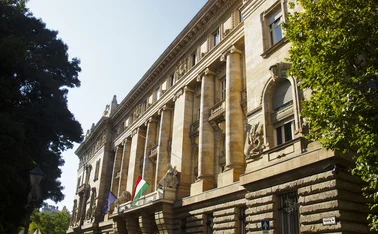
Orbán ordered Ukrainian gold and cash seizure – report
Investigation suggests Hungary’s ex-premier sought to use bank assets as bargaining chip for oil
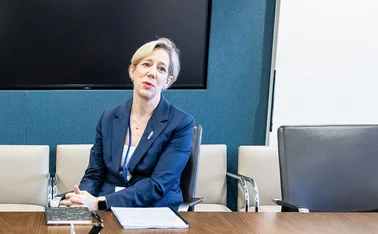
RBNZ rate setters ‘encouraged’ to share views under new charter
New Zealand central bank to publish attributed vote records after policy meetings
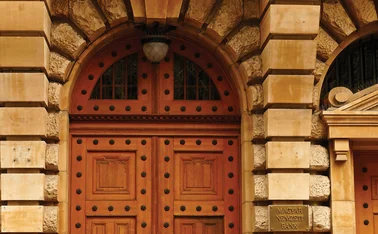
Former MNB governor issues statement defending his legacy
Matolcsy says investments and headquarters renovation delivered long-term value
RBNZ welcomes external probe into Covid-era monetary policy
Finance minister says bank’s easing and asset purchases caused ‘decades-high inflation’
BI holds rates amid renewed concerns over its independence
Indonesian central bank says keeping rates at 4.75% will stabilise rupiah and encourage growth