

Bank of Canada finds widespread public hostility to CBDC
Respondents expressed distrust of government and lack of interest in digital dollar
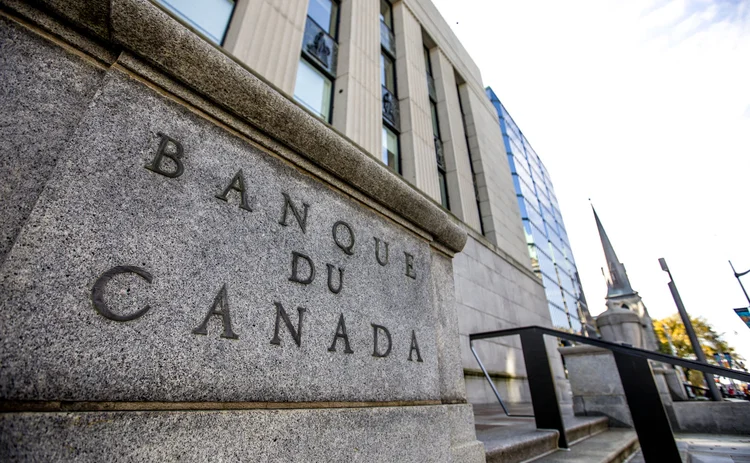
A Bank of Canada (BoC) report based on three years of public consultations with Canadians concerning digital currency, has found widespread opposition to the idea among the general public.
The BoC proposed a model where it creates both the central bank digital currency (CBDC) and the associated payment network, which could potentially work offline. Consumer and merchant activities would be handled by financial institutions and payment service providers, much as they currently distribute cash.
The
Only users who have a paid subscription or are part of a corporate subscription are able to print or copy content.
To access these options, along with all other subscription benefits, please contact info@centralbanking.com or view our subscription options here: www.centralbanking.com/subscriptions
You are currently unable to print this content. Please contact info@centralbanking.com to find out more.
You are currently unable to copy this content. Please contact info@centralbanking.com to find out more.
Copyright Infopro Digital Limited. All rights reserved.
As outlined in our terms and conditions, https://www.infopro-digital.com/terms-and-conditions/subscriptions/ (point 2.4), printing is limited to a single copy.
If you would like to purchase additional rights please email info@centralbanking.com
Copyright Infopro Digital Limited. All rights reserved.
You may share this content using our article tools. As outlined in our terms and conditions, https://www.infopro-digital.com/terms-and-conditions/subscriptions/ (clause 2.4), an Authorised User may only make one copy of the materials for their own personal use. You must also comply with the restrictions in clause 2.5.
If you would like to purchase additional rights please email info@centralbanking.com
More on Digital currencies

Malaysia and Thailand join MAS digital payments initiative
BoT, BNM and World Bank join MAS project alongside eight private sector players
Hong Kong to explore stablecoin use cases with Malaysia
Monetary authorities also agree to co-operate on tokenisation and local currency use

Japan’s CBDC pilot far from ready for mass adoption – BoJ
Central bank says building digital currency for public use will be much harder than testing

Tokenisation could help integrate eurozone markets, says Schnabel
Central bank money must move ‘on-chain’ to safeguard its role

MAS proposes changes to Singapore’s stablecoin regulations
Amendments would see multi-jurisdictional and foreign stablecoins recognised

One ledger or eight: the design choice that will shape cross-border money
Two rival tokenised settlement networks have both expanded. The contest between them is not primarily about technology, and not yet about currencies. It is about who keeps the ledger, argues Marcello Minenna

Nigeria’s president signs order to enhance virtual asset regulation
Central bank to chair ‘virtual assets council’ to help close regulatory gaps

Co-ordination key to alleviating tokenisation risks – IMF official
When activity is on shared ledgers, governance failures become systemic risks, Tobias Adrian says