
Monetary Policy

Fed paper studies how to tackle the lower bound
Simple policy rules lead to inflation falling “systematically” short of 2% target; pursuing higher inflation may help but comes at a cost
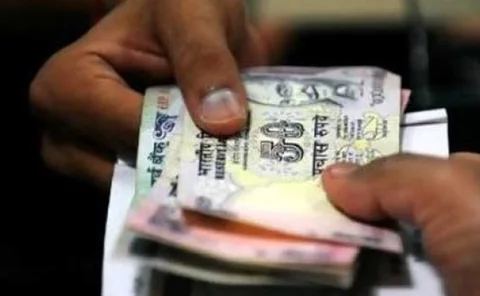
RBI launches economics blog
“Mint Street Memos” comprise brief reports and analysis from RBI economists; first post studies beneficial effects of demonetisation for “financialisation” of savings

Higher CPI unlikely to change Danish loose monetary policy
Consumer prices rise in July at the highest rate since December 2012 on food prices and package holidays, but analysts expect it to fall again over the coming months

“What would Allan say?”
Central Banking Publications founder Robert Pringle finds pearls of wisdom in his email correspondence with the late Allan Meltzer

Food prices are boosting inflation, Ukrainian central bank says
Pressures are expected to moderate in second half of 2017, says NBU

Negative rates have not hurt Swedish/Danish profits – paper
But developments in housing markets deserve caution, say researchers

San Francisco’s Williams: monetary policy has reached ‘limit’
Monetary policy has done all that it can to foster growth, says San Fran president, calling on fiscal policy to now “step up”

Fiscal multipliers significantly higher at effective lower bound, paper says
Researchers use data from 17 advanced economies for the period of 1960–2015

The changing composition of central bank balance sheets
Quantitative easing may have been necessary, but it has created worrying distortions and has probably discouraged structural change, while deflecting attention away from ever-greater levels of debt leverage

Fed paper: corporate bond buying can misallocate capital
Capital misallocation effects can mean corporate bond purchase schemes underperform QE based on sovereign bonds, say economists

IMF deems negative rates to have had ‘no major side effects’
IMF paper explores the impact of negative interest rates on bank behaviour, concluding the transmission to money markets and bond yields has worked well

Brexit drives a wedge between BoE and markets
Market expectations of future UK interest rates appear out of line with views expressed by the Bank of England’s Monetary Policy Committee. It comes at a time when Brexit ‘news’ often trumps economic data

Czech central bank raises interest rates for first time in nine years
Legacy of currency defence may cause future problems, analyst argues

Turkish inflation begins to fall amid economic strength
Inflation fell back to single digits in July for the first time since January; economy buoyant amid stimulus measures in wake of failed coup
Fed can no longer ‘wait and see’, says Williams
Waiting to unwind the balance sheet could “overheat the economy”, says San Fran president, who believes the US has “fully recovered” from the recession

BoE: market pricing implies two rate rises in next three years
Markets project first rate rise in Q3 2018, but committee says tightening may need to come sooner; MPC sees mixed picture for labour market

RBI makes first rate cut of 2017
Inflation is at a record low, and growth is forecast to rebound, although the RBI is still concerned about weak transmission of the policy rate

Stanley Fischer analyses the factors behind low real interest rates
The economist emphasises government policy uncertainty in the US regarding health care, regulation, taxes and trade, as well as higher savings and weak investment

QE could create balance sheet problems – Irish deputy governor
Eurozone’s asset purchase programme increases the interest rate risk for central banks, Donnery and co-authors write