

Monetary policy must be more agile during AI transition – study
Bank of Italy paper says inflationary developments offer more reliable guide than long-term r*

Monetary policy may keep price growth more stable during the artificial intelligence boom when it reacts to current inflationary developments, rather than to the value of the economy’s long-term equilibrium rate, a Bank of Italy study suggests.
In their paper, published on October 8, Lucia Esposito, Andrea Fabiani, Elia Moracci, Andrea Papetti and Massimiliano Pisani use a new Keynesian model to estimate the effectiveness of alternative monetary policy approaches as the impact of AI-driven
Only users who have a paid subscription or are part of a corporate subscription are able to print or copy content.
To access these options, along with all other subscription benefits, please contact info@centralbanking.com or view our subscription options here: www.centralbanking.com/subscriptions
You are currently unable to print this content. Please contact info@centralbanking.com to find out more.
You are currently unable to copy this content. Please contact info@centralbanking.com to find out more.
Copyright Infopro Digital Limited. All rights reserved.
As outlined in our terms and conditions, https://www.infopro-digital.com/terms-and-conditions/subscriptions/ (point 2.4), printing is limited to a single copy.
If you would like to purchase additional rights please email info@centralbanking.com
Copyright Infopro Digital Limited. All rights reserved.
You may share this content using our article tools. As outlined in our terms and conditions, https://www.infopro-digital.com/terms-and-conditions/subscriptions/ (clause 2.4), an Authorised User may only make one copy of the materials for their own personal use. You must also comply with the restrictions in clause 2.5.
If you would like to purchase additional rights please email info@centralbanking.com
More on Monetary Policy

Tanzania, DRC and Kenya keep rates on hold
Countries face different risk factors, though Middle East conflict remains common thread

Iceland holds as economy slows
Central bank keeps policy rate at 8% in unanimous vote
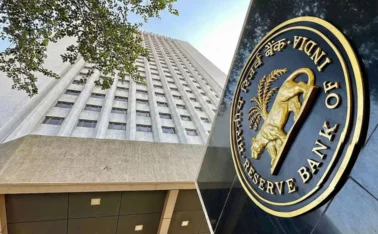
Rising inflation prompts first RBI hike since 2023
Bank announces shift to calibrated tightening, with near-term rate cuts ‘off the table’

Mexico’s monetary policy should remain tight, IMF says
Banxico should strengthen comms and limit government bond purchases to short end of curve, fund adds

Villeroy de Galhau rejects ‘populist’ critique of central banks
Independent institutions belong in driver’s seat ‘more than ever’, says former BdF governor

Africa’s central banks diverge as Zambia delivers major rate cut
Mozambique holds while Sierra Leone delivers second consecutive hike

Sri Lanka holds rates as inflation remains high
CBSL says medium-term expectations remain ‘broadly anchored’ around target

Goodhart and Pradhan on the end of monetary independence
The unanchored central banker authors speak about how ageing populations, soaring healthcare costs and rising fiscal deficits will force central bankers to compromise on inflation targets and bail out indebted governments