

Towards a new monetary policy framework for the AI age
AI may render the traditional monetary policy toolkit less effective and the familiar rules of engagement obsolete, argues Biagio Bossone


Central banks around the world are embracing artificial intelligence with growing confidence. Machine learning tools now assist in inflation forecasting, real-time GDP tracking and sentiment analysis. Natural language processing is mining central bank speeches and media narratives for subtle shifts in tone. AI is expected to make central banks smarter, faster and more agile.
This view is not wrong, but it is dangerously narrow. The most profound implications of AI for central banking lie not in
Only users who have a paid subscription or are part of a corporate subscription are able to print or copy content.
To access these options, along with all other subscription benefits, please contact info@centralbanking.com or view our subscription options here: www.centralbanking.com/subscriptions
You are currently unable to print this content. Please contact info@centralbanking.com to find out more.
You are currently unable to copy this content. Please contact info@centralbanking.com to find out more.
Copyright Infopro Digital Limited. All rights reserved.
As outlined in our terms and conditions, https://www.infopro-digital.com/terms-and-conditions/subscriptions/ (point 2.4), printing is limited to a single copy.
If you would like to purchase additional rights please email info@centralbanking.com
Copyright Infopro Digital Limited. All rights reserved.
You may share this content using our article tools. As outlined in our terms and conditions, https://www.infopro-digital.com/terms-and-conditions/subscriptions/ (clause 2.4), an Authorised User may only make one copy of the materials for their own personal use. You must also comply with the restrictions in clause 2.5.
If you would like to purchase additional rights please email info@centralbanking.com
More on Monetary Policy

Lagarde sees slower pass-through after bond sell-off
Higher yields will limit knock-on effects from energy shock, ECB president tells IMF meeting
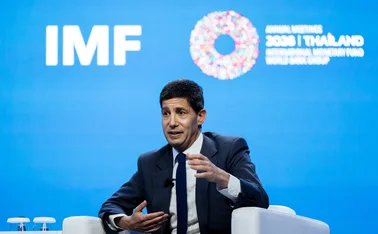
Warsh: I’ve focused too much on monetary policy
Fed chair vows to pay more attention to supervision, payments systems and consumer affairs

Little evidence of second-round inflation in UK – Bailey
BoE governor says economy more resilient than expected, amid signs of AI investment
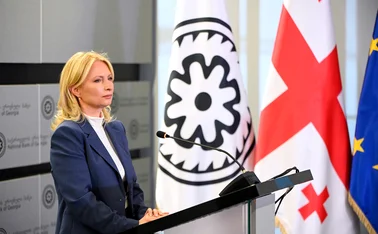
Pre-emptive policy has built credibility, says Georgian governor
Enriched monetary policy toolkit assesses whether shocks are transitory in a volatile world

Fiscal consolidation still possible in France – Moulin
BdF governor says Europe facing twin shock from surge in energy costs and bond yields

Singapore surprises with pause in tightening cycle
MAS says decision made against backdrop of rising inflation, but expects price growth to slow next year

BoK to review use of dot plot it debuted this year – Shin
Governor aims to find forward guidance ‘sweet spot’ and says any review will wait until at least next year

Monetary policy must be more agile during AI transition – study
Bank of Italy paper says inflationary developments offer more reliable guide than long-term r*