

Bank of Korea cuts policy rate to new record low
Economy expected to grow at slowest pace in over two decades due to Covid-19

South Korea’s central bank cut its policy rate to the record low of 0.5% today (May 28), while forecasting consumer inflation to drop below zero for the year of 2020.
The 25 basis point cut came after the Bank of Korea (BoK) slashed rates from 1.25% to 0.75% in an emergency meeting in March. It was the central bank’s first emergency rate cut since the global financial crisis in 2008.
“The board expects that domestic economic growth will remain sluggish for some time due to the impact of the
Only users who have a paid subscription or are part of a corporate subscription are able to print or copy content.
To access these options, along with all other subscription benefits, please contact info@centralbanking.com or view our subscription options here: www.centralbanking.com/subscriptions
You are currently unable to print this content. Please contact info@centralbanking.com to find out more.
You are currently unable to copy this content. Please contact info@centralbanking.com to find out more.
Copyright Infopro Digital Limited. All rights reserved.
As outlined in our terms and conditions, https://www.infopro-digital.com/terms-and-conditions/subscriptions/ (point 2.4), printing is limited to a single copy.
If you would like to purchase additional rights please email info@centralbanking.com
Copyright Infopro Digital Limited. All rights reserved.
You may share this content using our article tools. As outlined in our terms and conditions, https://www.infopro-digital.com/terms-and-conditions/subscriptions/ (clause 2.4), an Authorised User may only make one copy of the materials for their own personal use. You must also comply with the restrictions in clause 2.5.
If you would like to purchase additional rights please email info@centralbanking.com
More on Monetary policy decisions

Colombia delivers unexpected 25bp rate hike
Move marks ‘fourth consecutive policy surprise’ in tightening cycle, economist says
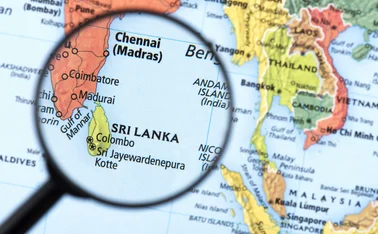
Sri Lanka holds rates as inflation remains high
CBSL says medium-term expectations remain ‘broadly anchored’ around target

China unveils targeted rate cut and mortgage subsidies
PBoC eases policy for infrastructure lenders and ups support for tech innovation

Bank of Jamaica hikes rates by 50bp
Central bank says escalating geopolitical tensions and El Niño are driving inflationary pressures
Australia tightens interest rates to 15-year high
RBA’s fourth hike of 2026 targets inflation as governor says further increases are on the table

Switzerland, Sweden and Hungary hold rates, Norway hikes
Four European central banks announce monetary policy decisions
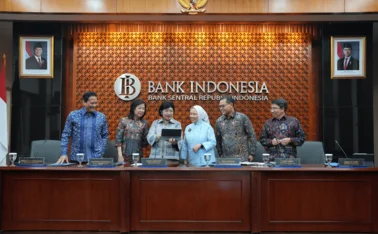
Indonesia holds and enacts new measures to protect rupiah value
Damayanti’s first rate decision as governor comes as BI and HKMA advance payments co-operation
Brazil cuts for fifth consecutive time ahead of elections
Fed hike not an ‘outright impediment’ for BCB to continue loosening, economist says