

Rosengren warns Fed may have to increase pace of tightening
Data suggests US labour market is tightening, Eric Rosengren argues

The US Federal Reserve may have to tighten monetary policy more quickly than its own forecasts currently anticipate, the Boston Fed's president said on February 15.
The US economy was at or approaching both elements of the Fed's dual mandate for price stability and maximum sustainable employment, Eric Rosengren told an audience in New York. The most recent figures for headline and core inflation, using the personal consumption expenditure price index, were at 1.6% and 1.7% respectively, he noted
Only users who have a paid subscription or are part of a corporate subscription are able to print or copy content.
To access these options, along with all other subscription benefits, please contact info@centralbanking.com or view our subscription options here: www.centralbanking.com/subscriptions
You are currently unable to print this content. Please contact info@centralbanking.com to find out more.
You are currently unable to copy this content. Please contact info@centralbanking.com to find out more.
Copyright Infopro Digital Limited. All rights reserved.
As outlined in our terms and conditions, https://www.infopro-digital.com/terms-and-conditions/subscriptions/ (point 2.4), printing is limited to a single copy.
If you would like to purchase additional rights please email info@centralbanking.com
Copyright Infopro Digital Limited. All rights reserved.
You may share this content using our article tools. As outlined in our terms and conditions, https://www.infopro-digital.com/terms-and-conditions/subscriptions/ (clause 2.4), an Authorised User may only make one copy of the materials for their own personal use. You must also comply with the restrictions in clause 2.5.
If you would like to purchase additional rights please email info@centralbanking.com
More on Monetary Policy

Argentina on solid footing to head off oil shock – BCRA
Vice-president says recent uptick in inflation was driven in part by seasonal factors
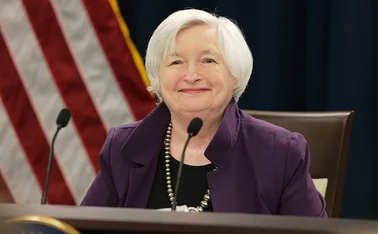
Yellen draws lessons from an age of extremes
Ex-chair calls on Fed to look through supply shocks, supervise pre-emptively and defend its independence

Sarb hikes interest rates for first time in three years
MPC split, though governor says this was more about timing than direction of travel

Tensions between Banrep and government ease before elections
Recent ruling by Colombian court further enhances central bank’s independence
QT does not produce opposite effects to QE, evidence suggests
BoE study considers implications of 1980s ‘overfunding’ for policy-makers today

Haiti’s woes exacerbated by supply shocks – governor
Ronald Gabriel says regional central banks should adopt more internationalist approach

More African nations respond to inflationary effects of Iran war
Mauritius and Rwanda raise rates, though Nigeria, Ghana and Egypt opt to hold
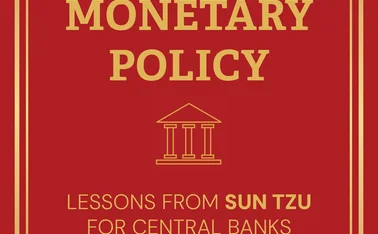
Book notes: The art of monetary policy, by Kristin Forbes
The message that effective monetary policy-making requires judgement, flexibility and realism alongside technical expertise is both persuasive and highly relevant