

Markets respond positively as Bernanke says US is ready to act
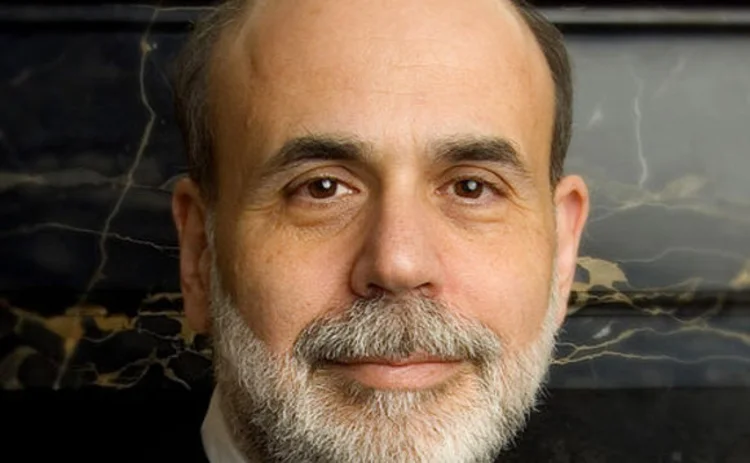
Federal Reserve chairman Ben Bernanke has said the US is ready to act if further monetary policy supportive measures are required to shore up the country's economy.
Bernanke said that "the recent economic weakness may prove more persistent than expected" and if deflationary risks re-emerged, "implying a need for additional policy support… we have a number of ways in which we could act to ease financial conditions further".
The yield on ten-year US treasuries gained 1.89% on Wednesday, trading at
Only users who have a paid subscription or are part of a corporate subscription are able to print or copy content.
To access these options, along with all other subscription benefits, please contact info@centralbanking.com or view our subscription options here: www.centralbanking.com/subscriptions
You are currently unable to print this content. Please contact info@centralbanking.com to find out more.
You are currently unable to copy this content. Please contact info@centralbanking.com to find out more.
Copyright Infopro Digital Limited. All rights reserved.
As outlined in our terms and conditions, https://www.infopro-digital.com/terms-and-conditions/subscriptions/ (point 2.4), printing is limited to a single copy.
If you would like to purchase additional rights please email info@centralbanking.com
Copyright Infopro Digital Limited. All rights reserved.
You may share this content using our article tools. As outlined in our terms and conditions, https://www.infopro-digital.com/terms-and-conditions/subscriptions/ (clause 2.4), an Authorised User may only make one copy of the materials for their own personal use. You must also comply with the restrictions in clause 2.5.
If you would like to purchase additional rights please email info@centralbanking.com
More on Monetary Policy
Federal Reserve delivers first rate hike since 2023
FOMC expects policy to remain around 4.1% for 2026-27 and inflation to reach 2% by 2029

Geopolitical tensions raising rate hike expectations – BIS
Quarterly review highlights new communication challenges for central banks

Middle East conflict will prolong inflation shock, Lagarde says
ECB chief warns AI is also driving long-term funding costs for governments

Naji Issa on Libya’s reform efforts and why he threatened to quit
The CBL governor speaks about the need for national unity, fiscal responsibility, digital transformation and FX reforms

The Fed enters a new epoch
Chair Kevin Warsh takes his first steps to transform the US central bank
ECB implements second 25bp hike of year
Bank says second-round effects have yet to show up in wage data as energy inflation spikes to 14.2%

BoE chief economist explains his votes for pre-emptive hike
Wait-and-see approach to monetary policy risks signalling bias towards status quo, says Pill

Demographics force central banks into balancing act – Goodhart
Panel weighs risks to central bank independence from fiscal pressures, in part due to ageing societies