

BOJ should create inflation to fight deflation
From the Asahi Shimbun, 17 October 2002.
Following are excerpts from an Asahi Shimbun interview with Iwata:
Q: What are some of the factors driving down stock prices?
A: The main reason is deflation, meaning continuous declines in consumer prices and asset prices (stock and land prices). Media reports blame delays in bad-debt disposal by banks. But that is based on misunderstandings.
Bad-debt disposal means paring down loans and driving (deadbeat) clients into bankruptcy. As a result, deflation gets worse, creating more bad loans. So the Bank of Japan must make a bold change in its monetary policy. That's the only way to stop deflation.
Q: Money is extremely cheap, with interest rates close to zero. How do you view this situation?
A: That's not enough. It's necessary to set an inflation target so consumer prices can rise 1 to 3 percent in the next 12 months. To achieve that target the BOJ should increase its purchases of long-term government bonds from banks and supply plenty of cash to the financial market. The BOJ should also buy foreign currency-denominated government bonds so the yen rate can go down.
Q: Still, it won't be easy to bring about inflation, will it?
A: If the BOJ supplies more cash to the market, more money will go into stocks and foreign-currency bonds and also into real estate. As a result, asset prices will go up, creating inflationary expectations.
If stock and other asset prices go up, assets held by business will appreciate, creating incentives for investment. For banks, such businesses will become more attractive borrowers. So things will begin to improve on a broad front.
Q: Don't you think unrestrained bond purchases will undermine fiscal discipline?
A: The Koizumi administration is putting a 30-trillion-yen cap on annual bond issuance. The BOJ should get a government agreement that bond issues will be restricted while it is fighting deflation. To create inflationary expectations, the central bank must take drastic action such as buying up government bonds held by banks.
Q: Inflation can produce very bad effects as well. Is it possible to limit it within reasonable bounds?
A: Opponents of inflation exaggerate its negative side. Negative effects can be contained by setting limits on the inflation rate. At present there is so much excess employment and capacity that supply exceeds demand by a wide margin. So high inflation is out of the question.
Central banks in other countries are setting inflation targets of 2 or 3 percent, but no problems have presented themselves. The BOJ says it will continue monetary easing until consumer prices start going back up. But it sets no time frame for that, so its policy responsibility is vague. Given continuing deflation, it is little use maintaining the current level of monetary easing. Kikuo Iwata, 59, specializes in financial theories and urban economics. He is the author of "The Economics of Financial Policy," "The Economics of Zero Interest Rates" and other books.
Only users who have a paid subscription or are part of a corporate subscription are able to print or copy content.
To access these options, along with all other subscription benefits, please contact info@centralbanking.com or view our subscription options here: www.centralbanking.com/subscriptions
You are currently unable to print this content. Please contact info@centralbanking.com to find out more.
You are currently unable to copy this content. Please contact info@centralbanking.com to find out more.
Copyright Infopro Digital Limited. All rights reserved.
As outlined in our terms and conditions, https://www.infopro-digital.com/terms-and-conditions/subscriptions/ (point 2.4), printing is limited to a single copy.
If you would like to purchase additional rights please email info@centralbanking.com
Copyright Infopro Digital Limited. All rights reserved.
You may share this content using our article tools. As outlined in our terms and conditions, https://www.infopro-digital.com/terms-and-conditions/subscriptions/ (clause 2.4), an Authorised User may only make one copy of the materials for their own personal use. You must also comply with the restrictions in clause 2.5.
If you would like to purchase additional rights please email info@centralbanking.com
More on Monetary Policy

Iceland holds as economy slows
Central bank keeps policy rate at 8% in unanimous vote
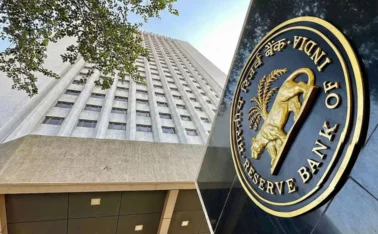
Rising inflation prompts first RBI hike since 2023
Bank announces shift to calibrated tightening, with near-term rate cuts ‘off the table’

Mexico’s monetary policy should remain tight, IMF says
Banxico should strengthen comms and limit government bond purchases to short end of curve, fund adds

Villeroy de Galhau rejects ‘populist’ critique of central banks
Independent institutions belong in driver’s seat ‘more than ever’, says former BdF governor

Africa’s central banks diverge as Zambia delivers major rate cut
Mozambique holds while Sierra Leone delivers second consecutive hike

Sri Lanka holds rates as inflation remains high
CBSL says medium-term expectations remain ‘broadly anchored’ around target

Goodhart and Pradhan on the end of monetary independence
The unanchored central banker authors speak about how ageing populations, soaring healthcare costs and rising fiscal deficits will force central bankers to compromise on inflation targets and bail out indebted governments

ECB should become global lender of last resort – report
Academics put forward policy recommendations to further internationalise euro